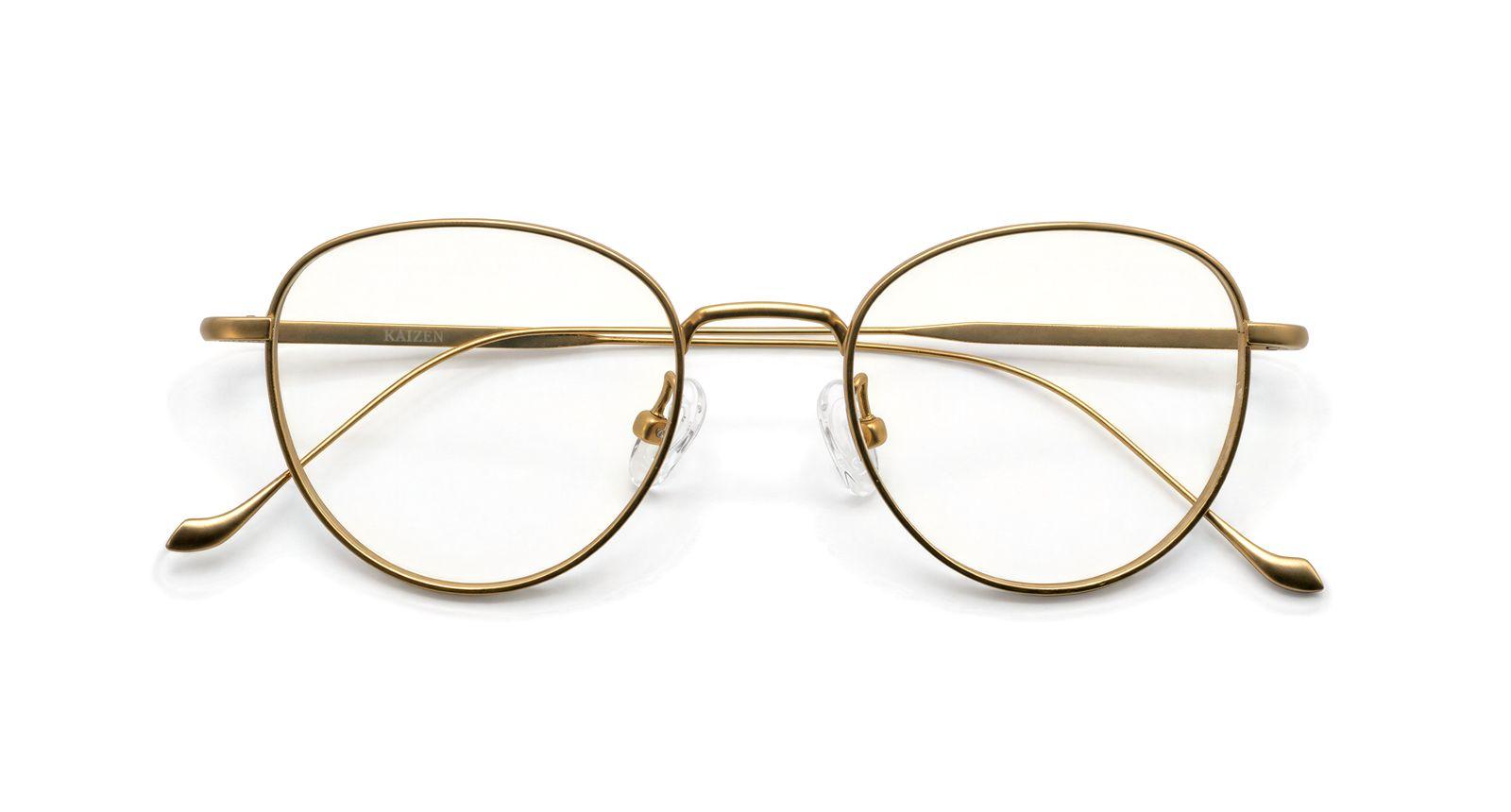
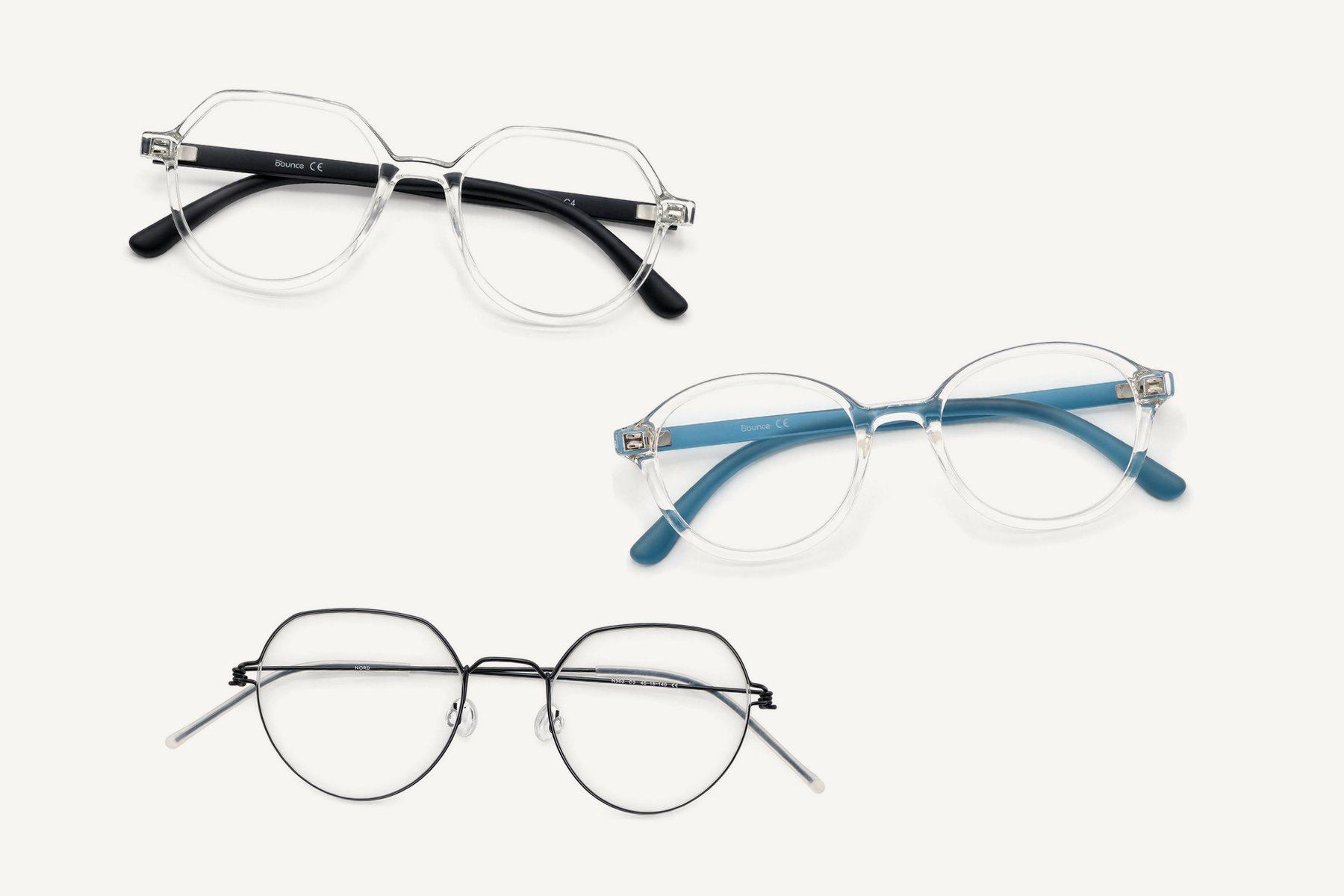
What the charts say
They all run on one idea: contrast. A frame shape unlike the face is said to add definition, a frame shape like it to reinforce what is already there. Everything in every version of this table follows from that, and it is worth knowing because it is the vocabulary an optician will use with you.
Treat it as a starting point rather than a rule. Compare two of these charts from different sources and they will disagree with each other about the same face — which is the clearest sign available that nobody is working from evidence.
| Face | How to tell | The convention | Ours |
|---|---|---|---|
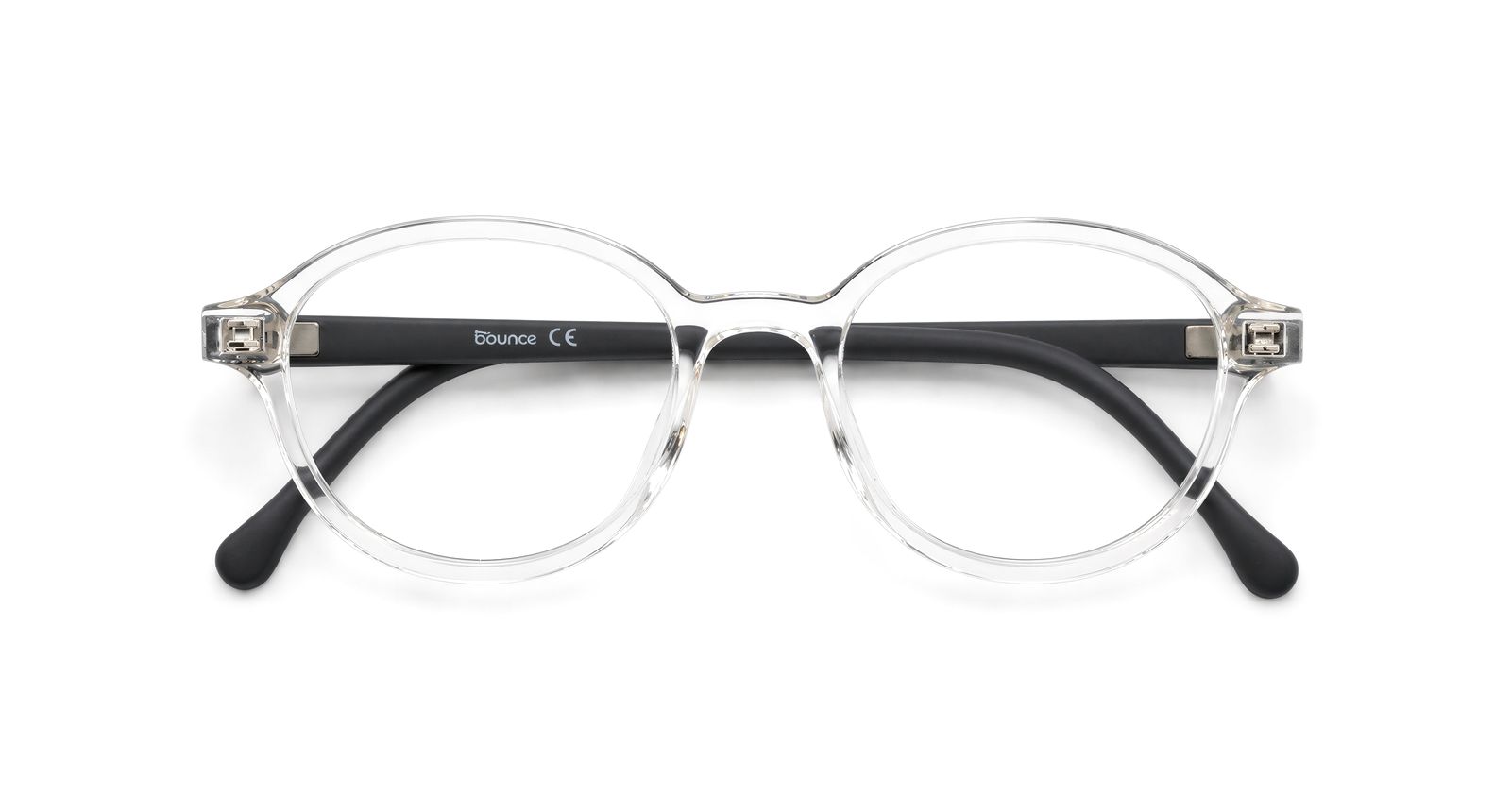
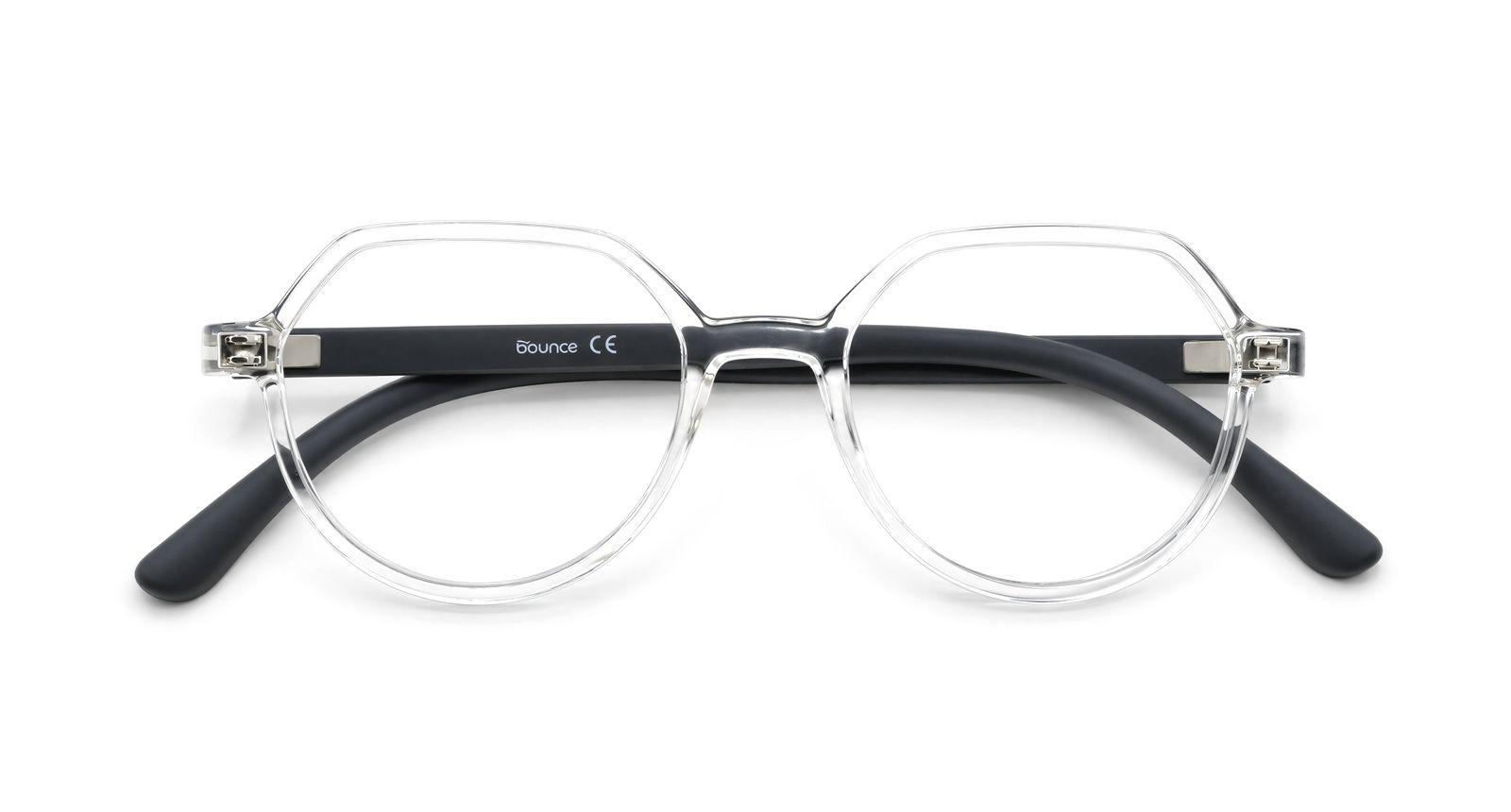
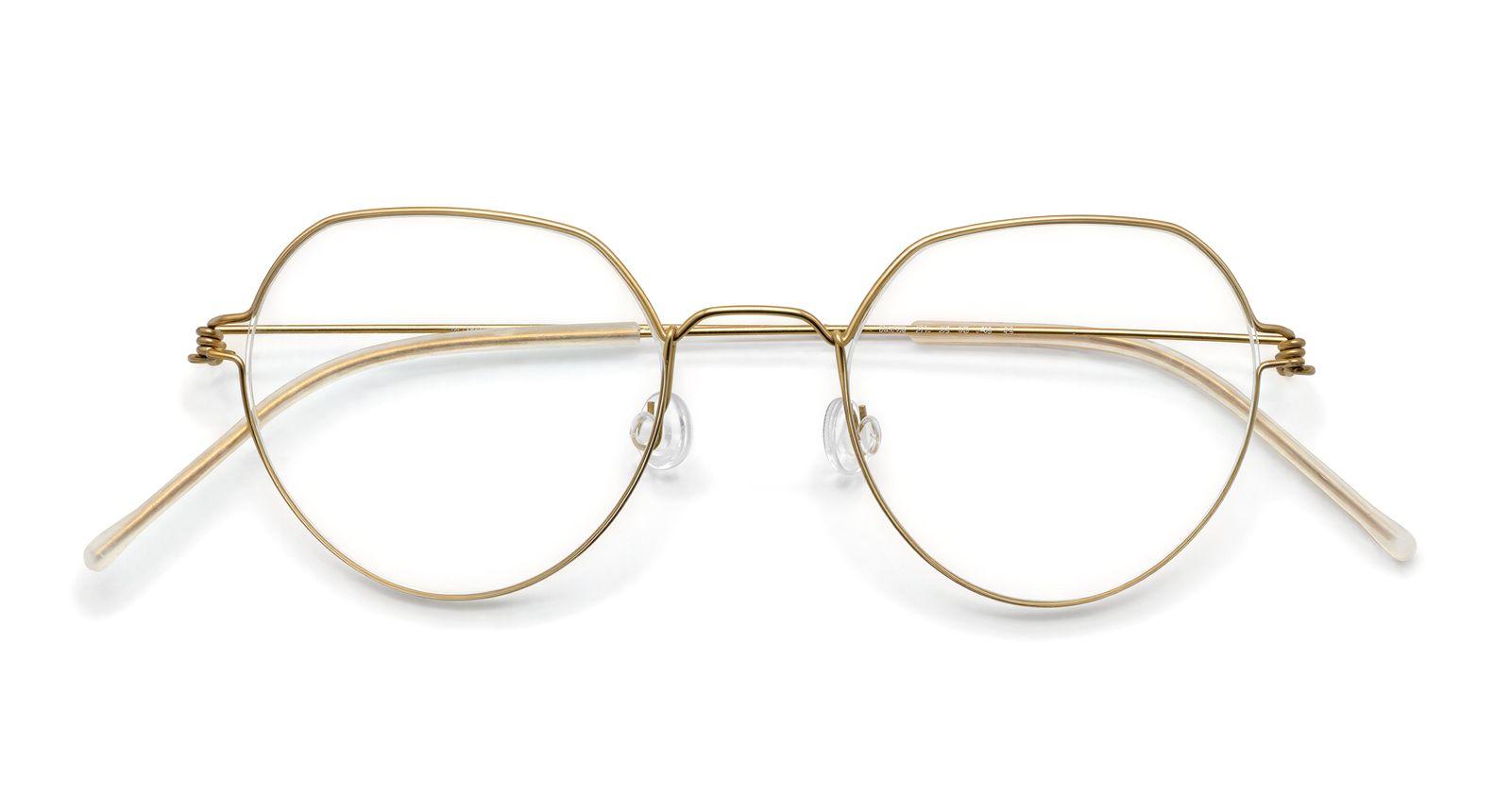
| Round | Width and length are similar, with soft curves and full cheeks. | Angular frames — rectangular or faceted — add definition the face does not have on its own. | Faceted |
| Oval | Slightly longer than wide, with a gently tapered jaw. | Most shapes work. This is the one the charts call lucky, which mostly means the advice runs out. | Every shape |
| Square | A strong jaw with the forehead and jaw close in width. | Rounder frames soften the angles. Avoid a heavy straight brow line echoing the jaw. | Round |
| Heart | Wider at the forehead and temples, narrowing to a small chin. | Frames with weight low down, or light rims, balance a broad forehead. | Wide round |
| Oblong | Noticeably longer than it is wide. | Deeper frames break up the length. A shallow frame emphasizes it. | Wide round |
To work out a face shape, tie the hair back and look straight on. Compare the width at the forehead, the cheekbones and the jaw, then compare the total width with the length. Most people are between two of these rather than squarely one.
A styling convention, not an optical one.
Face-shape matching is not a clinical or optical principle. It came out of retail and magazines, it was repeated until it sounded established, and it has been falling out of favor among dispensers for years. There is no body of evidence that a round face looks better in an angular frame — and to be straight about it, no study showing the opposite either. It is convention, held confidently.
What is certain is that not one line of it predicts whether a frame will sit level, stay up, or stop pressing behind the ears. A round-faced child in an angular frame 10mm too wide has glasses that slide down all day; the same child in a round frame that fits does not. The chart was never wrong exactly — it was answering a different question from the one that mattered.
The one part that does survive
Scale. A frame much larger or smaller than the face it sits on genuinely looks wrong, and that is not a matter of taste — it is proportion, and everybody sees it.
But scale is a width and a depth. It is a measurement, not a geometry lesson, and it got bundled into “face shape” and dressed up as something more interesting than it is. Get the width right and you have already solved the part of this that was ever real.
Children’s faces are not really these shapes yet
Adult face-shape categories describe a developed face. A young child’s is rounder and fuller almost regardless of what it will become, the cheeks are still full, and the jaw that defines square versus oval has not arrived. Sorting a four-year-old into oblong is guessing at a face that does not exist yet.
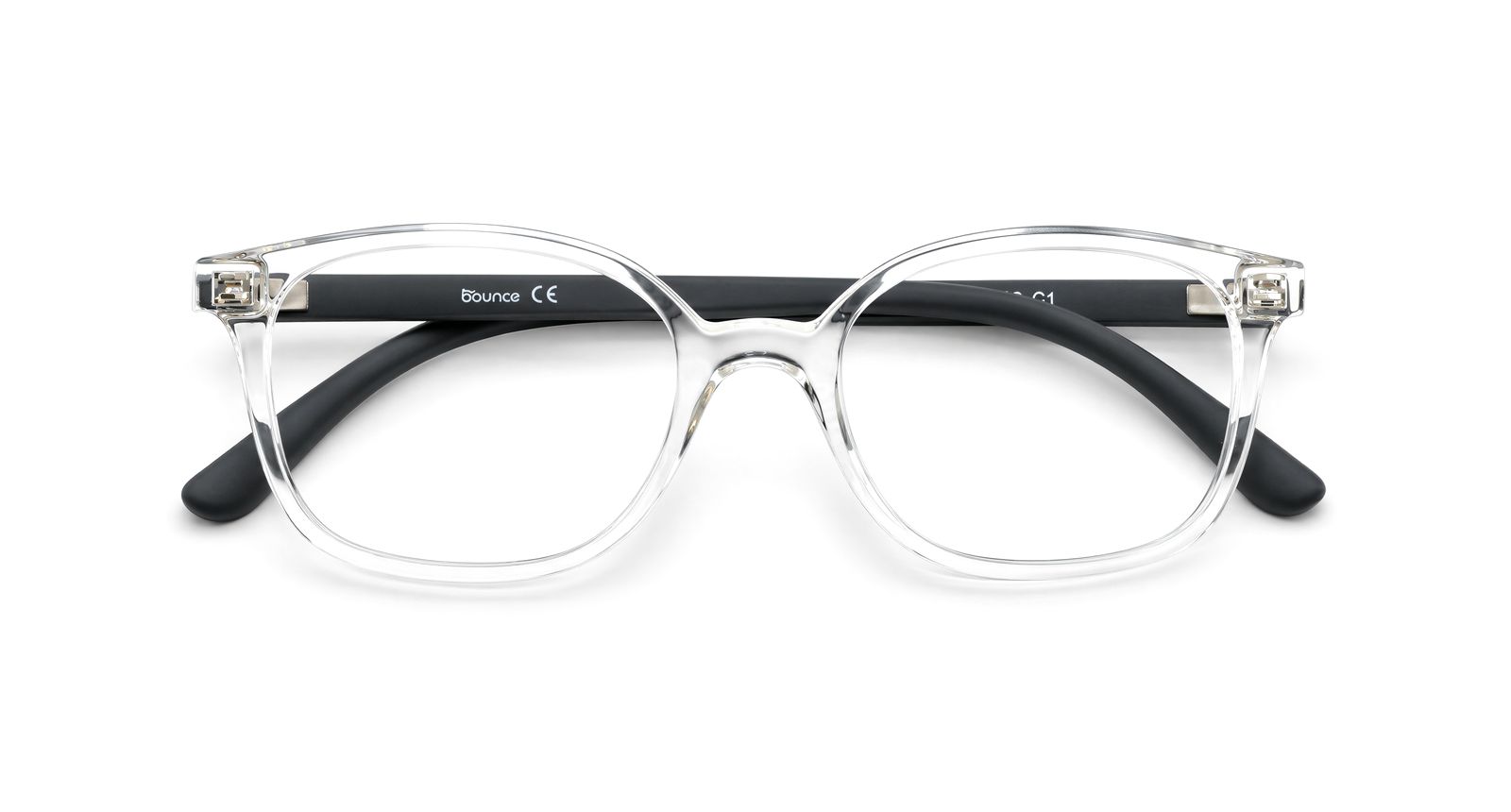
What does exist, and is measurable today, is how wide your face is across the temples. That is the number that decides whether a frame sits still, and it is why every frame we make is named for its own front width rather than a size label — 110mm to 135mm across 4 shapes.
So use it in this order
- Get the width right. Measure across the front of a pair that already fits, or use the size check, which works it out from a photograph.
- Then use the chart to narrow down which of the shapes at that width you like best.
- Then choose the one you like. A frame you picked is a frame you wear, and that beats every rule on this page.
If it is an adult reading this because nothing in a normal shop fits, the page you actually want is glasses for narrow and thin faces — a narrow adult face needs the top of a children’s range, which is a measurement problem rather than a shape one.