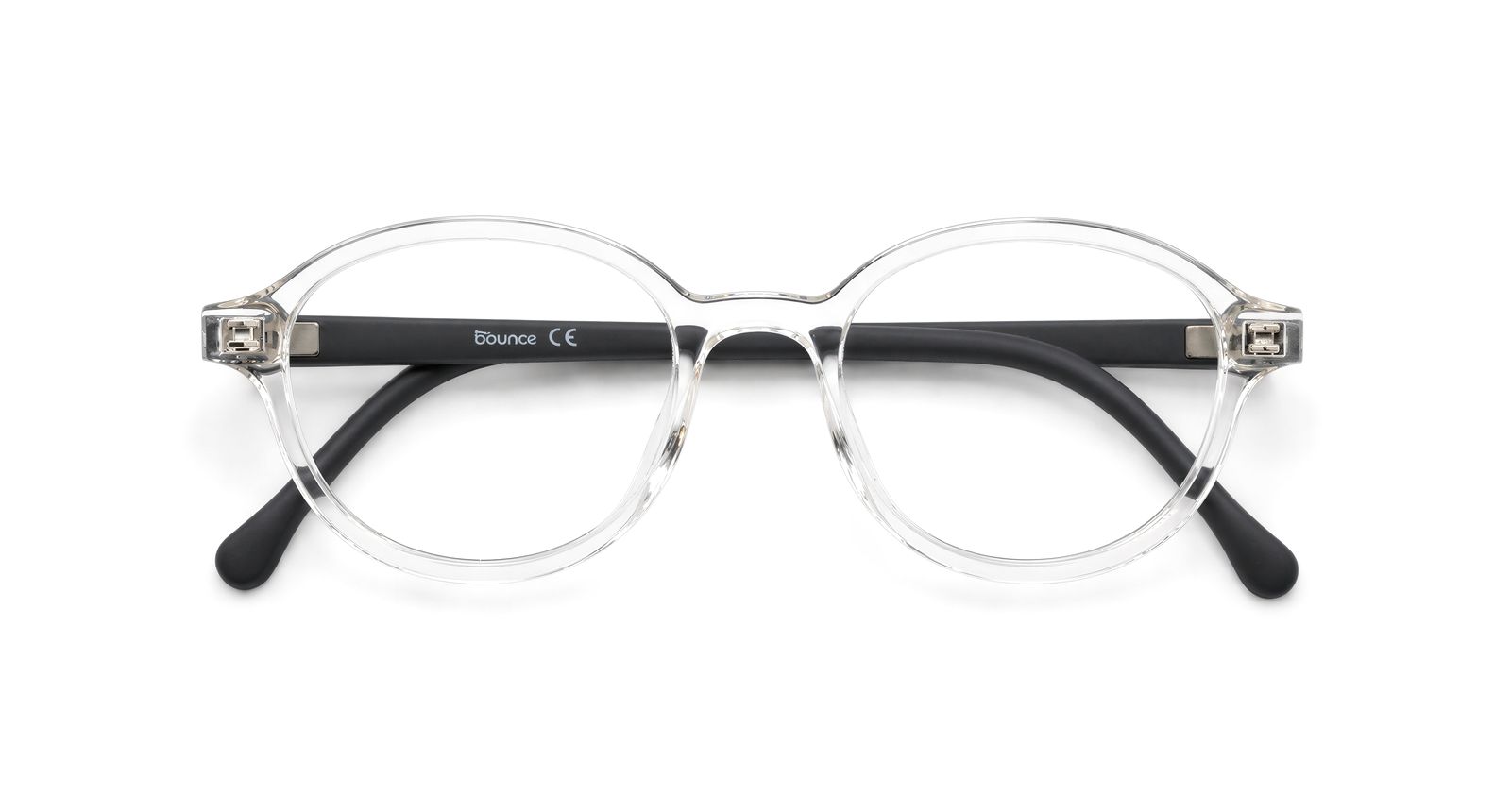
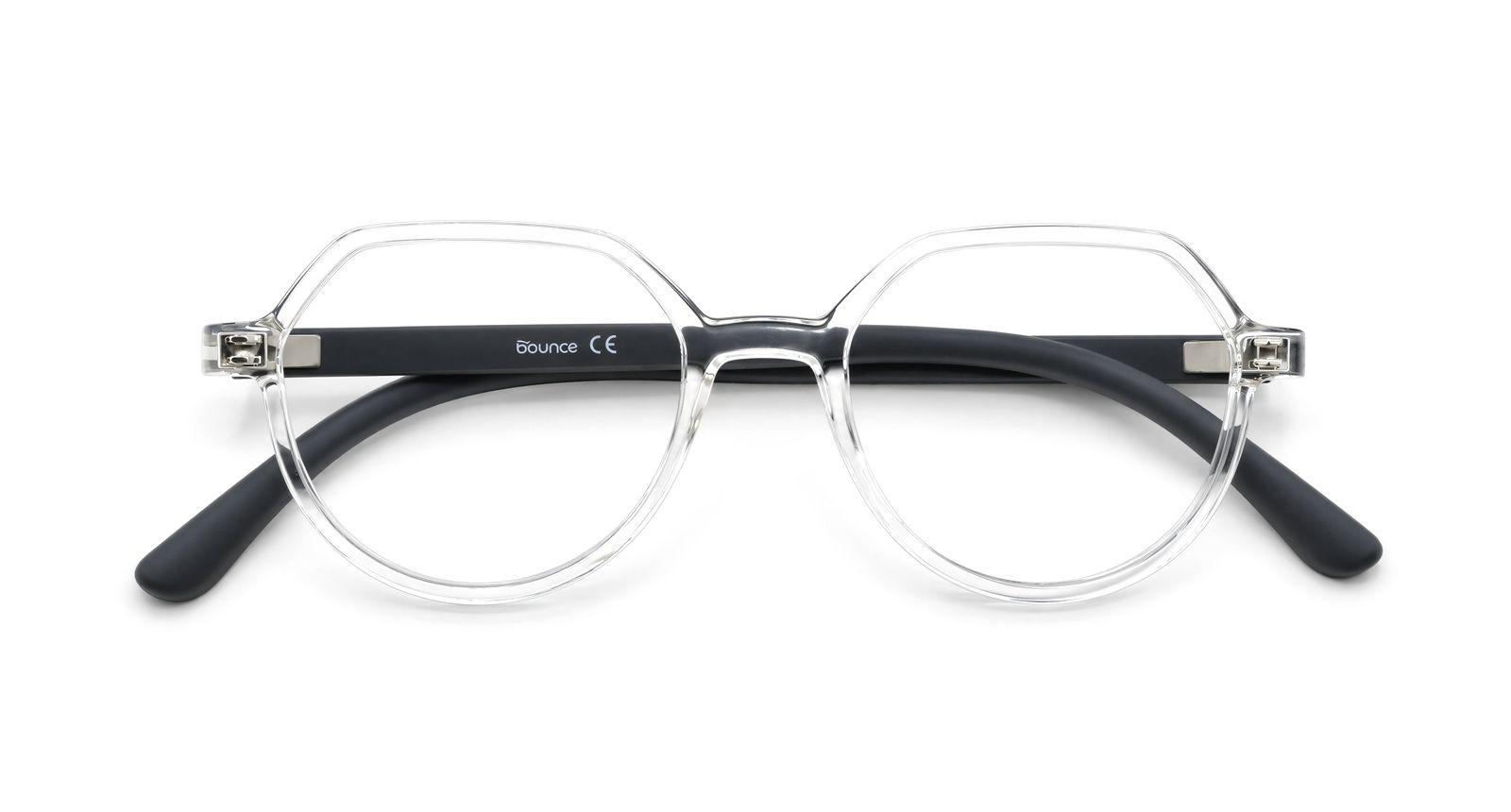
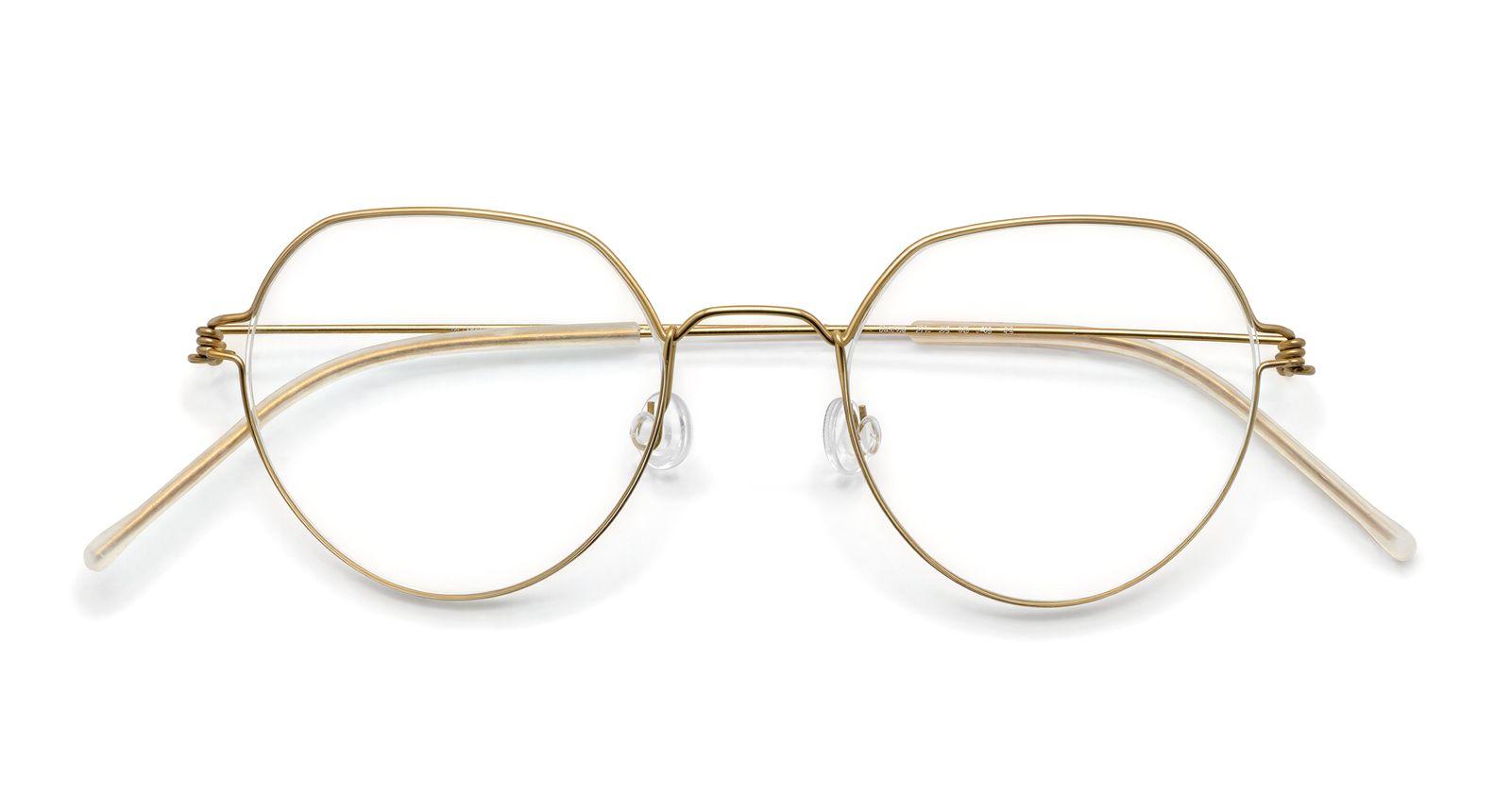
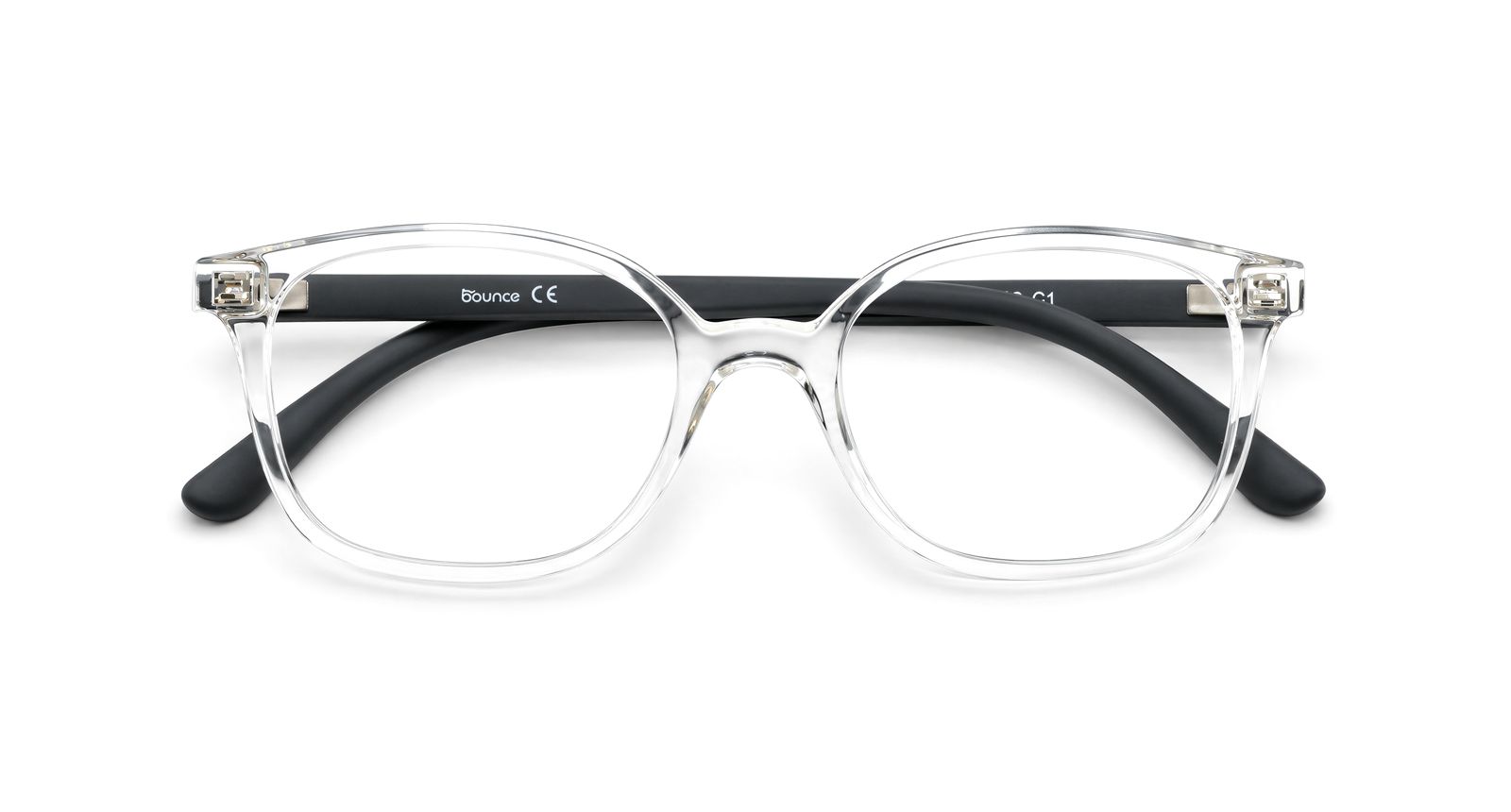
Nobody read the card to you.
You were handed a grid of numbers and a date a year away, and the appointment was over. Type them in below and we will say what each one means, which of them carry no severity at all, and what is worth asking before you buy anything.
Copy the card across.
The two rows are labeled OD and OS, or sometimes just R and L. OD is the right eye and OS is the left — they are the Latin, and they are on the card because it has always been the Latin. An empty box means zero: leave it as the dash.
Cylinder is usually written as a minus and some prescribers write it as a plus. Both are on the list and both are ordinary — copy whichever sign is actually printed, and the reading below comes out the same either way.
Long-sightedness, mild in the stronger eye, with astigmatism.
The right eye reads +2.00. A plus number is long-sightedness: the eye's focus lands behind the retina rather than on it, so seeing close up takes effort that a lens can do instead.
−0.75 of cylinder at axis 180. Cylinder is astigmatism — the eye is shaped slightly more like a football than a basketball, so it focuses at two different distances at once. The axis is the orientation of that, a bearing between 1 and 180, and it carries no strength whatsoever. An axis of 180 is not worse than an axis of 5.
The left eye reads +2.25. A plus number is long-sightedness: the eye's focus lands behind the retina rather than on it, so seeing close up takes effort that a lens can do instead.
−0.50 of cylinder at axis 5. Cylinder is astigmatism — the eye is shaped slightly more like a football than a basketball, so it focuses at two different distances at once. The axis is the orientation of that, a bearing between 1 and 180, and it carries no strength whatsoever. An axis of 180 is not worse than an axis of 5.
Long-sightedness is the ordinary shape of an early prescription, and it is the one most people have never heard of — the assumption is that glasses mean short-sighted. Children are typically born long-sighted and grow out of most of it as the eye lengthens, so what is being corrected here is usually the part that has not gone on its own. That is why the number can change a great deal between appointments without anything having gone wrong.
Astigmatism is extremely common and is not a disease or a complication — it is a shape. Most eyes have a little of it. It gets its own box on the card because it needs a lens oriented a particular way, not because it is a separate problem to the one in the first box.
The words in the bands above — slight, mild, moderate, strong — are the conventional ranges the profession uses for a power. They are not grades of how much to worry. They do not predict how a child will get on with glasses, and the strength of a prescription has almost nothing to do with whether the pair gets worn: that is decided by whether it fits.
This explains notation. It is not an examination, a second opinion or a diagnosis, and it cannot see you — whoever wrote this card can, and where they differ from this page they are right. Nothing you type here is sent anywhere: it is worked out in your browser and never leaves it.
What it means for the lens
Polycarbonate, included — At 2.25 diopters this is a polycarbonate lens. It is the most impact-resistant material in ordinary use, it is included in the price, and a thinner lens here would buy a difference nobody can see.
The questions this particular card is worth opening with.
Written from the shape of what you entered. The first three are worth asking about any prescription; the rest are here because of something on yours.
- 1
Is this for full-time wear, or only for close work and school?
It is the single most useful sentence to have at home, and it settles most of the arguments about putting them on. It is also frequently said once, quickly, at the end of an appointment.
- 2
Is the PD written here monocular or binocular, and is it distance or near?
PD decides where the optical center of each lens sits. Monocular is two numbers, one per eye; binocular is one total. Near PD runs about 3mm under distance, which is the whole tolerance, so a number without its label can be the right figure for the wrong thing.
- 3
When should I be seen again, and what would bring that forward?
Children's prescriptions move. The recall interval is the part of this appointment that expires, and the answer to the second half is what tells you whether something you notice at home matters.
- 4
How much of the long-sightedness is being corrected, and is any of it deliberately left?
Prescribing for a long-sighted child is a judgment rather than an arithmetic, and it is normal for some of it to be left uncorrected on purpose. Knowing that in advance stops the lens power looking like an error when you compare it against the measured numbers.
The card is smaller than it looks
A spectacle prescription has three columns and two rows, and two of the three columns are usually the same story told twice. SPH is the main power and the sign tells you which way the eye is out — plus for long-sighted, minus for short-sighted, and neither is the worse one to be. CYL is astigmatism, which is a shape rather than a fault. AXIS is the only number on the card that describes no strength whatsoever: it is a compass bearing for the cylinder, and it looks alarming purely because it is the biggest number printed.
What is often not on the card is the PD, and it is the one you need to order anything. In the US a prescriber is not required to print it, because it belongs to dispensing rather than to the eye test. Most practices will tell you if you ask, and we have written how to measure it yourself — including when the number you took at the kitchen table is good enough and when it is not.
Why we do not ask you to upload it
Every part of this runs in your browser. Nothing you type is posted to us, stored or logged, and the reason is not modesty about the engineering — it is that your prescription is health data and we do not need it to answer the question you came with.
The one thing that does leave your device is the emailed list of questions, and even that is assembled from the shape of the prescription rather than the numbers: our server is told “long-sighted, with astigmatism” and writes the questions from those words. We could not print your prescription back to you if we wanted to, because we never had it.
When you are ready to buy, a prescription does have to reach us — that is what your account is for, deliberately and with your say-so. This page is not that.
A prescription cannot tell you whether you will wear them.
It sets the lens: which material, how thick at the edge, and on a strong prescription how much the frame width is doing about that. All of it real, all of it downstream of the card.
What it says nothing about is the thing that actually decides whether a pair gets worn or ends up in a drawer, which is whether the frame is the right width for the face. A frame that is too wide slides down and gets pulled off however good the lenses in it are — and the width is not on the prescription, not on the label, and not published by most shops.
The PD, the fit, the numbers stamped inside the arm, and what the word unbreakable is doing on a listing.
- OD is the right eye. OS is the left.What every box on the prescription means, the three entries that mean something different on a child's, and which numbers you actually need to order a pair of glasses.6 minute read
- What actually happens at a child's eye exam.Seven stages in the order they come, how they measure a child too young to read a letter, why the drops are used, and the three things to ask before you leave.7 minute read
- How to measure a child's PD, and when not to bother.Every glasses site has a PD ruler and none tells you how accurate yours needs to be. Why the mirror method fails on a young child, how to do it properly, and a calculator for whether your error actually matters.6 minute read
- How to fit children's glasses: the complete guide.One measurement decides whether a pair gets worn or ends up in a drawer, and it is not on the label. Measuring a child's face and PD, the four checks, the age table, and what does not matter at all.11 minute read
- The numbers inside the arm are real. They will not tell you if the glasses fit.43□16-130 is a lens width, a bridge and an arm length — all true, none of them the size of the frame. What each number means, and the two of ours that share a marking and sit 8mm apart.8 minute read
- There is no such thing as unbreakable children's glasses.Every brand selling the word means something different by it and no standard defines it. What the words on a listing actually describe, which one is already the law, and the two that are worth anything.7 minute read
The prescription is the easy half.
It has one right answer and it is written down. The width is the half with no answer printed anywhere — so we measured every frame we make and published all of it.