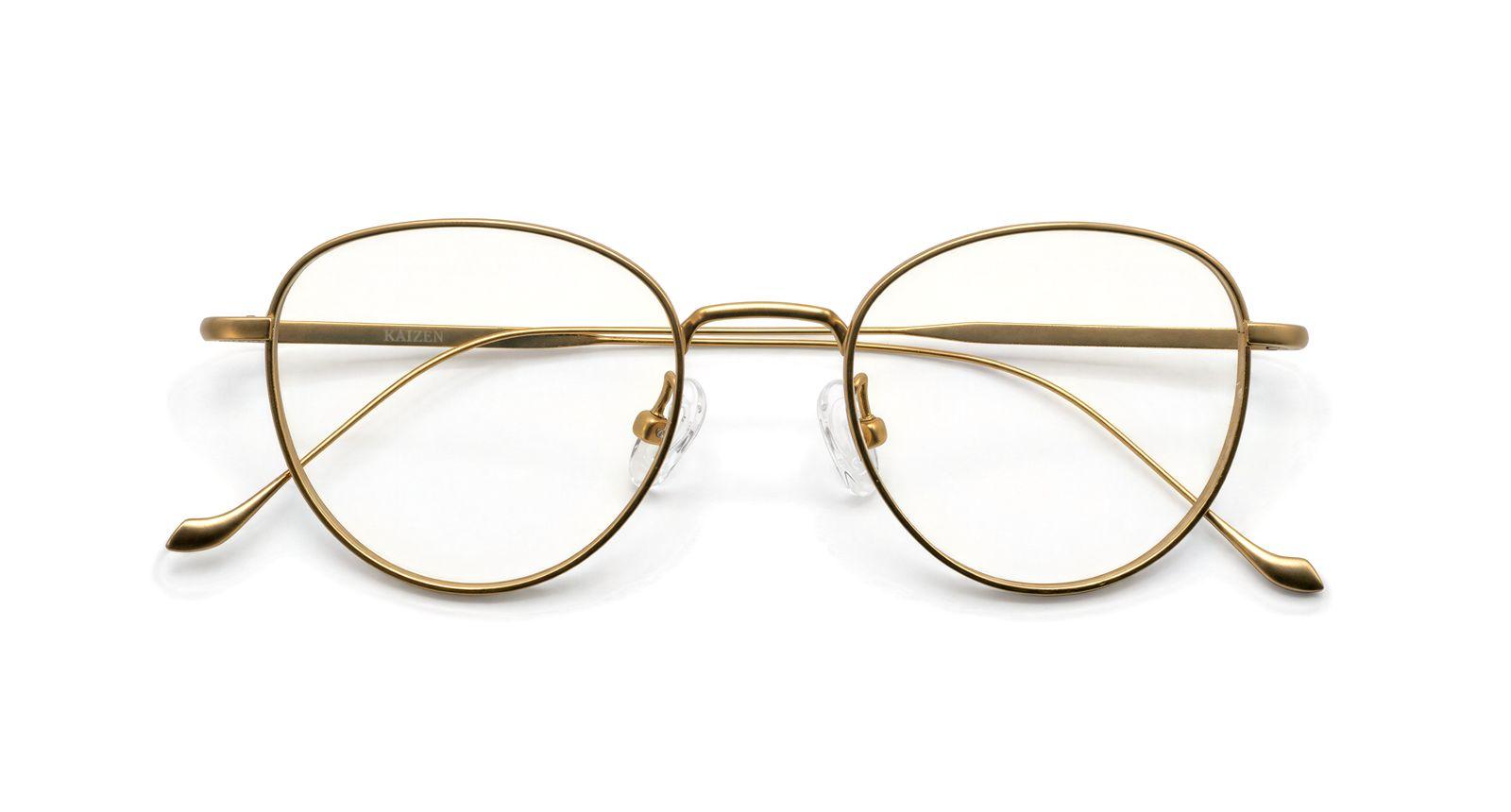
For a child, the answer is almost always polycarbonate.
It is the toughest lens material in ordinary use, it is included in the price, and a thinner lens is more brittle rather than better. Enter the prescription and we will say whether yours is one of the rare ones where that changes.
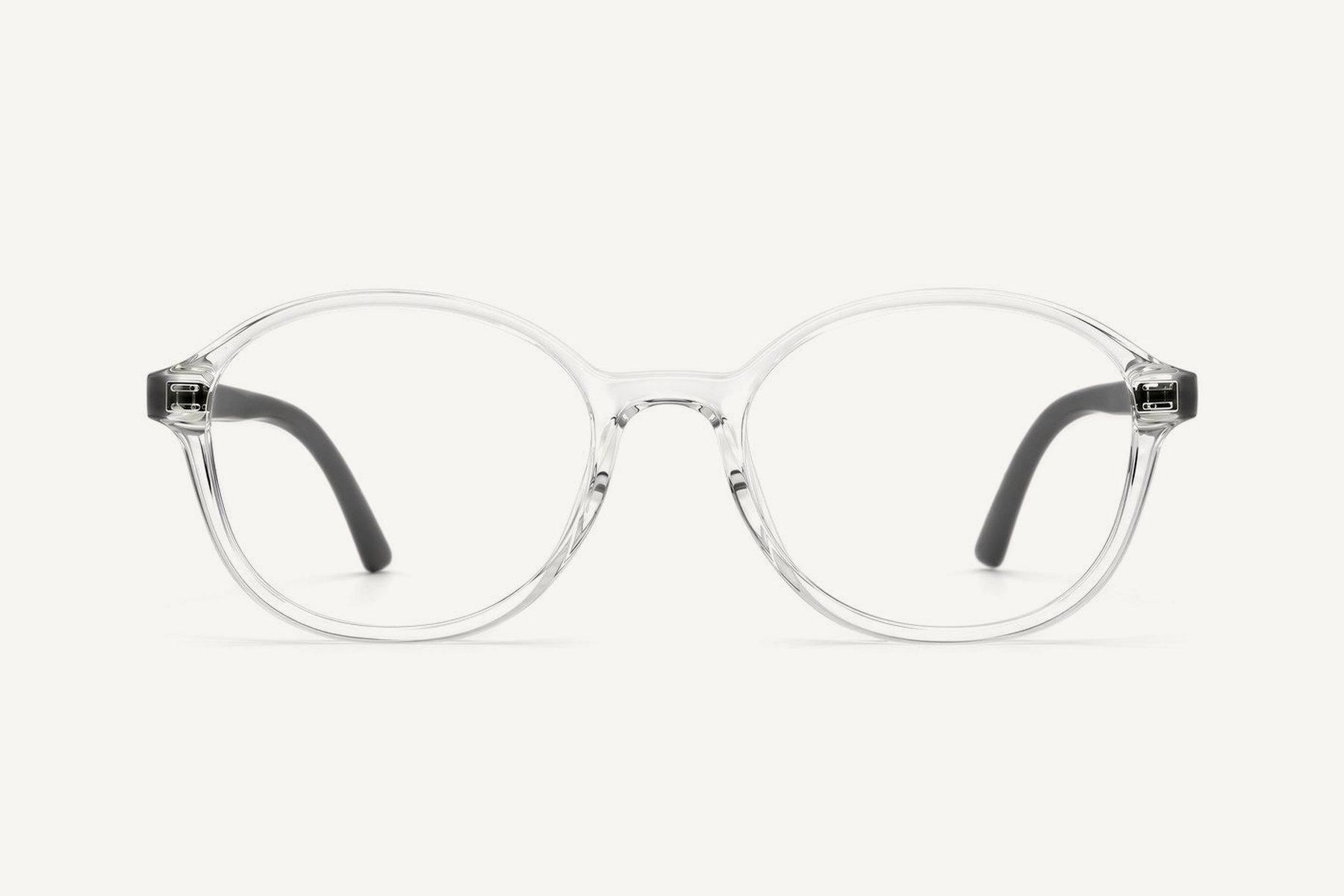
Polycarbonateincluded
At 3.00 diopters this is a polycarbonate lens. It is the most impact-resistant material in ordinary use, it is included in the price, and a thinner lens here would buy a difference nobody can see.
Guidance, not a prescription. Nothing you type here is sent anywhere — it is worked out in your browser and never leaves it. Whoever dispenses the glasses can see the frame, the base curve and the eye, and their answer beats this one.
Why the thinnest lens is not always the right one
Lens index is how strongly a material bends light. A higher number bends more, so less material is needed for the same prescription, so the lens is thinner and lighter. That part is simple and it is the part every shop tells you.
What they leave out is that the high-index plastics are more brittle than polycarbonate, which is the most impact-resistant lens material in ordinary use and the reason it is the standard of care for children. A thinner lens is not a better lens. It is a lens that has traded away the property you are buying the glasses for in the first place.
So this tool recommends polycarbonate at every prescription, and raises high-index only as an exception at the extremes — around 6.00 diopters to mention it exists, and around 10.00 where a lens can get heavy enough that a child stops wearing it, and a lens that is not worn protects nothing. Even then it is a conversation for whoever dispenses the glasses rather than a box to tick, because they know how you treat them and we do not.
| Material | Index | Edge thickness | Impact resistance | Added |
|---|---|---|---|---|
| Polycarbonate | 1.59 | Baseline | Highest | Included |
| 1.67 high-index | 1.67 | ~15% thinner | Good | $60 |
A narrower frame beats a thinner lens.
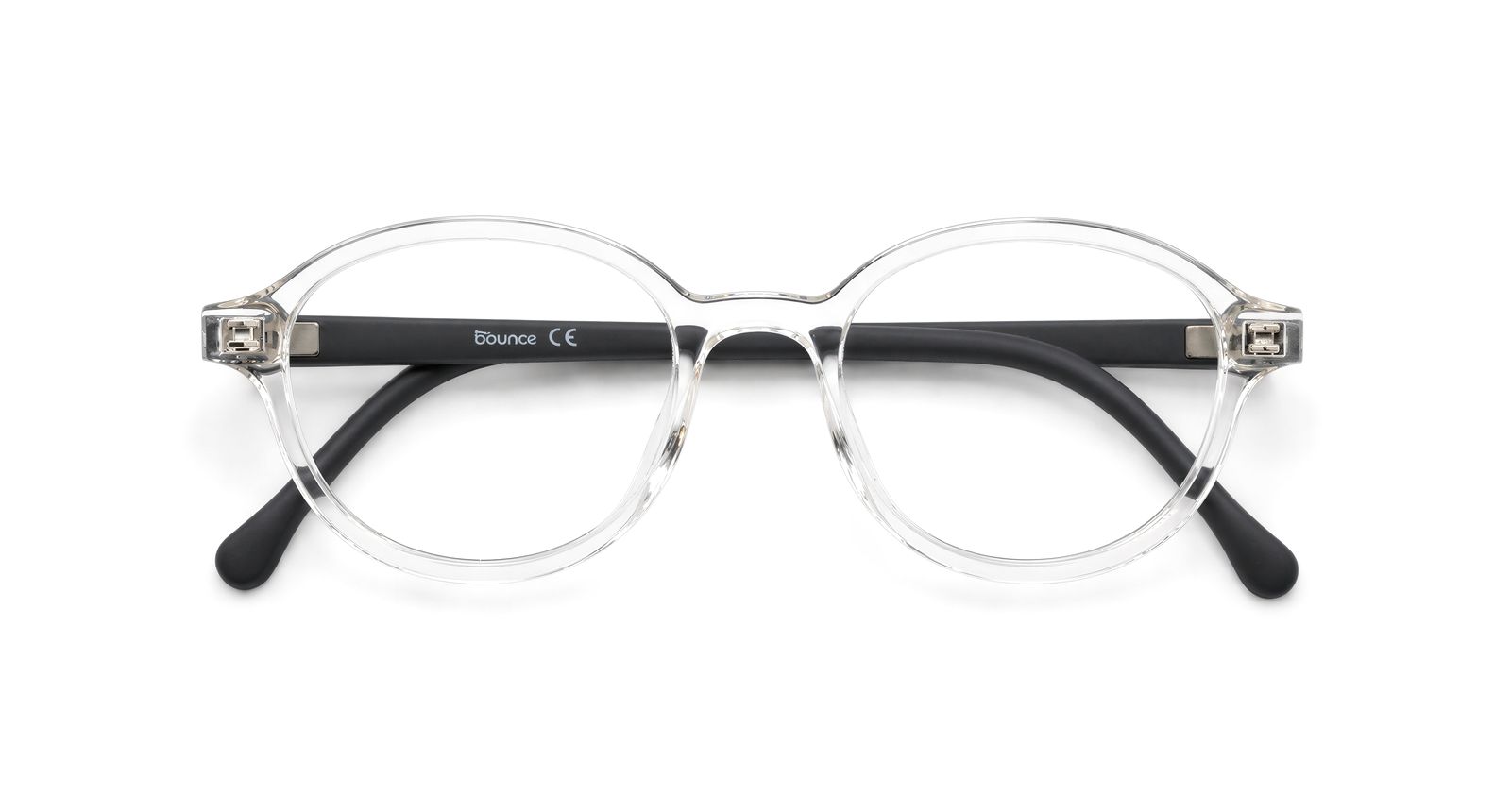
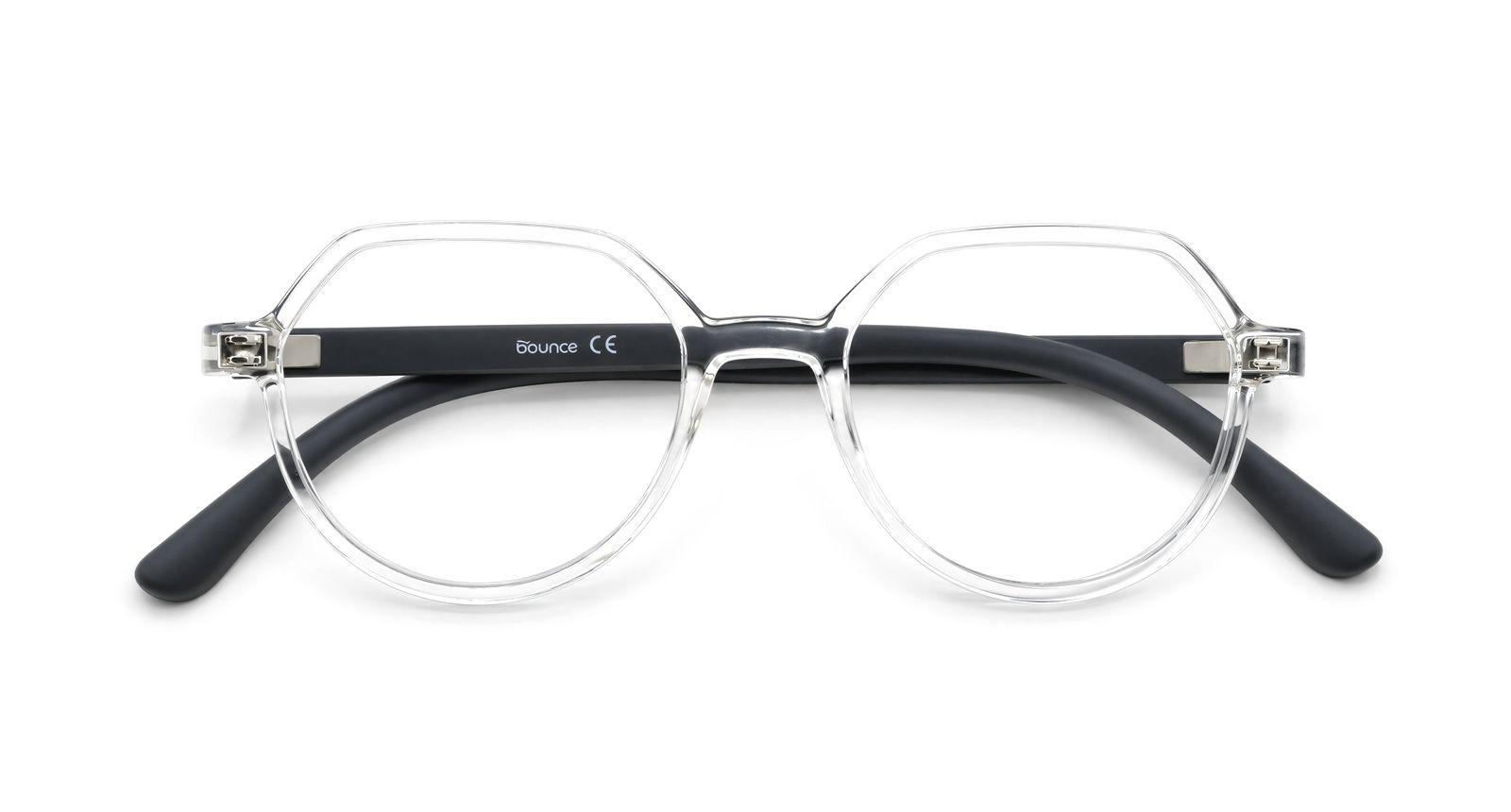
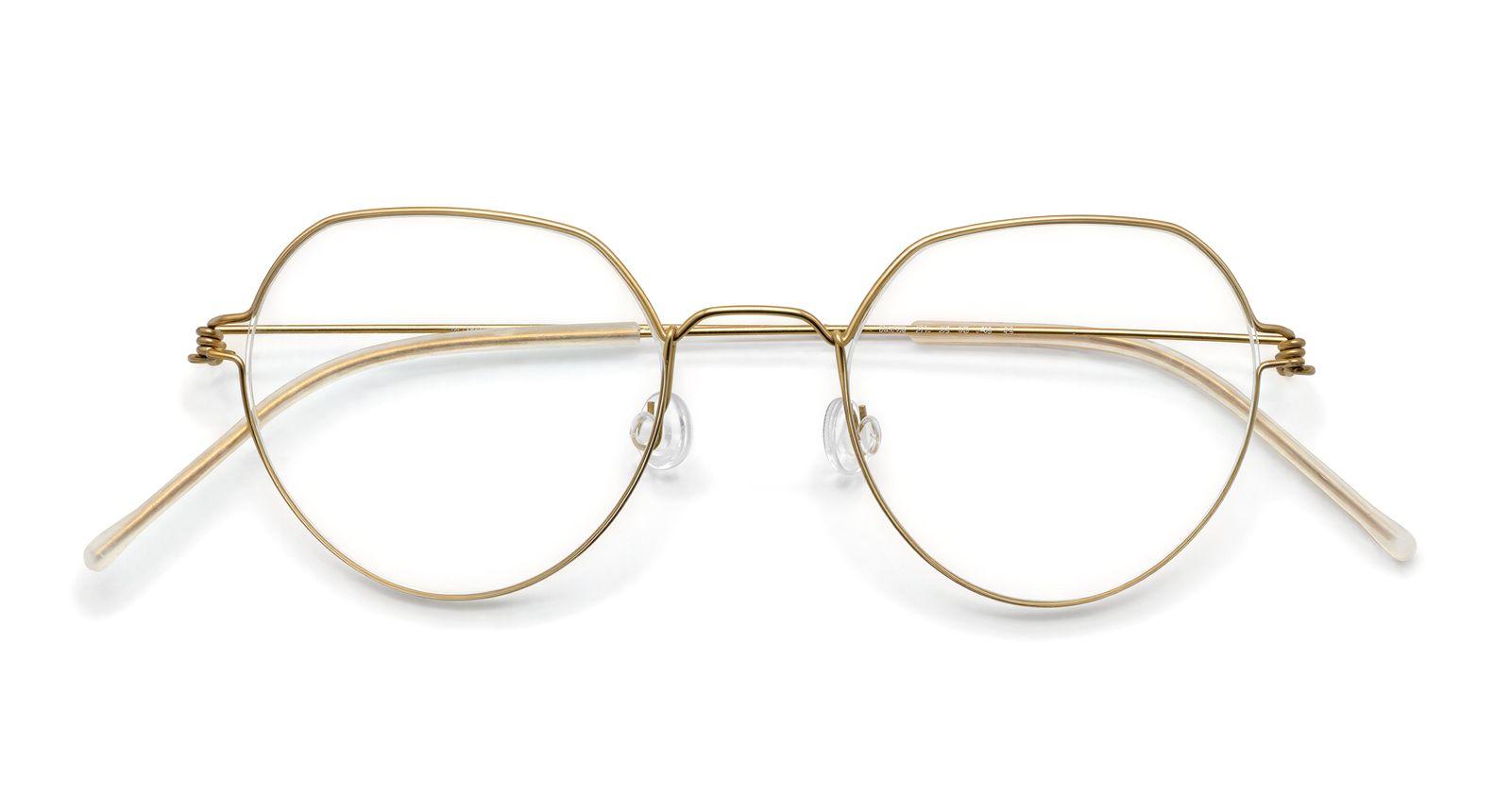
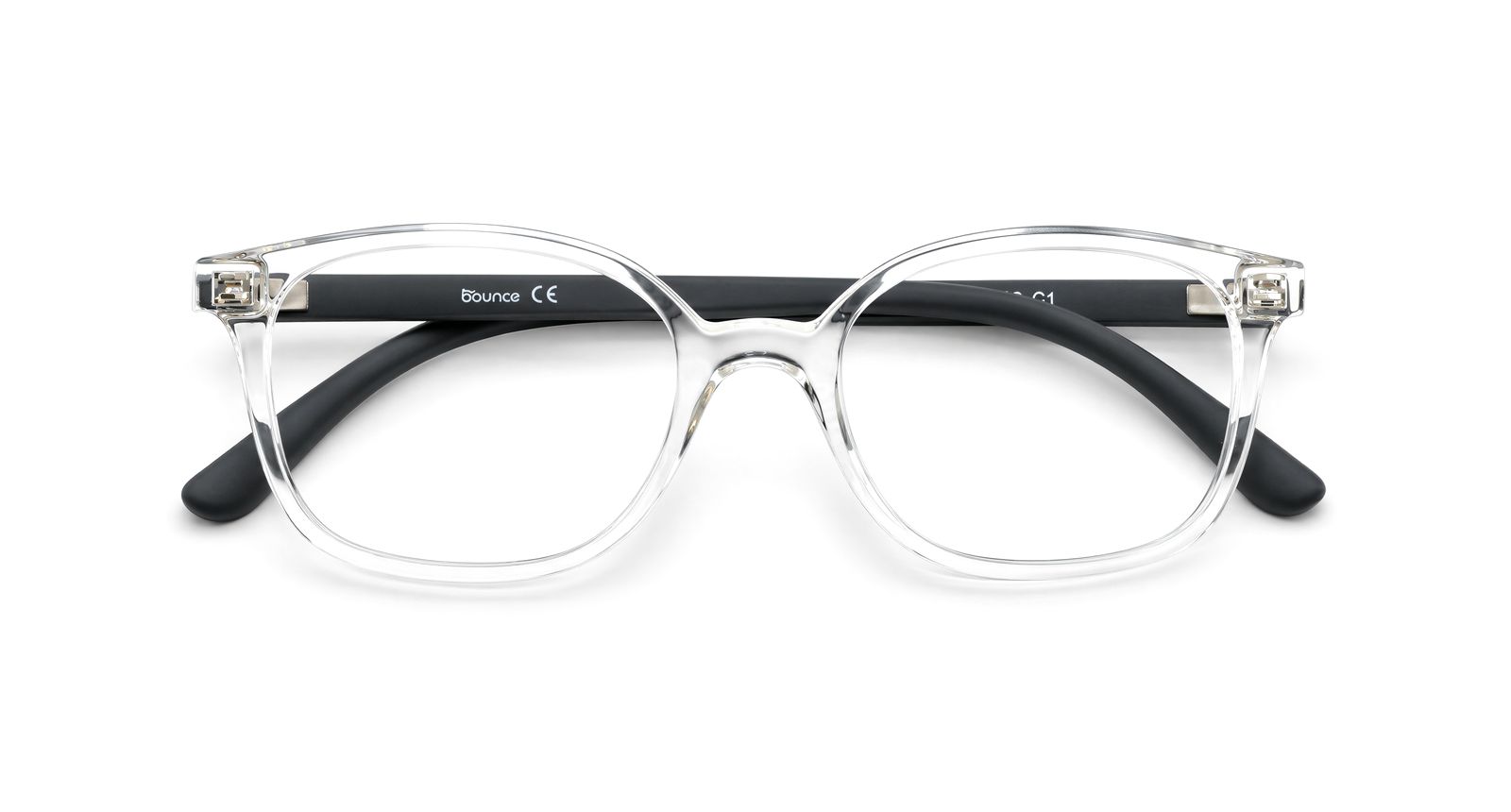
Edge thickness depends on how far the lens has to reach from its center, so a smaller frame produces a thinner edge at the same prescription — often by more than an index step does, and at no extra cost. On a strong prescription it is the first thing a good dispenser reaches for.
It is also the thing an online shop cannot use, because it needs the frame width, and almost nobody publishes theirs. We publish every one, which is why we can say it.
Reading the prescription
SPH is the main power — minus for short-sighted, plus for long-sighted. CYL is astigmatism, and it matters here more than people expect: a lens is thickest along its strongest meridian, which is the sphere plus the cylinder, so a −2.00 with −3.50 of cylinder behaves like a −5.50 lens at the edge.
The rest of the card — the axis, what is ordinary at your age, and the questions worth asking at the next appointment — is in what your prescription means.
The lens is the second decision.
The width is the one that decides whether you wear them at all — and on a strong prescription it decides the thickness too.