Five things, in order
This order is close to the reverse of how glasses are usually sold. Looks come first in almost every shop and last here; size is normally a dropdown at the end and is first here. That is the whole argument.
- 1Width, against your actual faceEverything else is downstream. A frame that is too wide slides, gets pushed up, gets grabbed and gets twisted — so it is also the durability decision, not just the comfort one.How to check: Ask for the frame's total width in millimeters and compare it to your temple-to-temple measurement. A shop that cannot tell you the number does not know it.
- 2Polycarbonate lenses, includedIt is the impact-resistant material. On a child that matters more than any frame feature, and it should not be an upgrade.How to check: Check whether lenses are in the advertised price at all, and in which material. This is where a cheap price usually turns into a normal one.
- 3What happens when they breakNot if. The per-pair price is close to meaningless without knowing the cost of the second pair, and the second pair is coming.How to check: Look for a replacement policy with a stated period and no arguing over whose fault it was. Ask what the second breakage costs, not the first.
- 4A material that springs backMemory thermoplastics and titanium recover from being bent; ordinary plastics take a set and stay bent. This is most of what people mean by durable.How to check: Ask what it is made of and get a real answer — TR-90, Ultem, titanium, acetate. “Flexible” on its own means nothing.
- 5Whether you like itLast on this list and not unimportant. A pair a child refuses to wear has failed regardless of how well it fits.How to check: Filter by the four above, then choose from the shortlist.
What those five questions get you here.
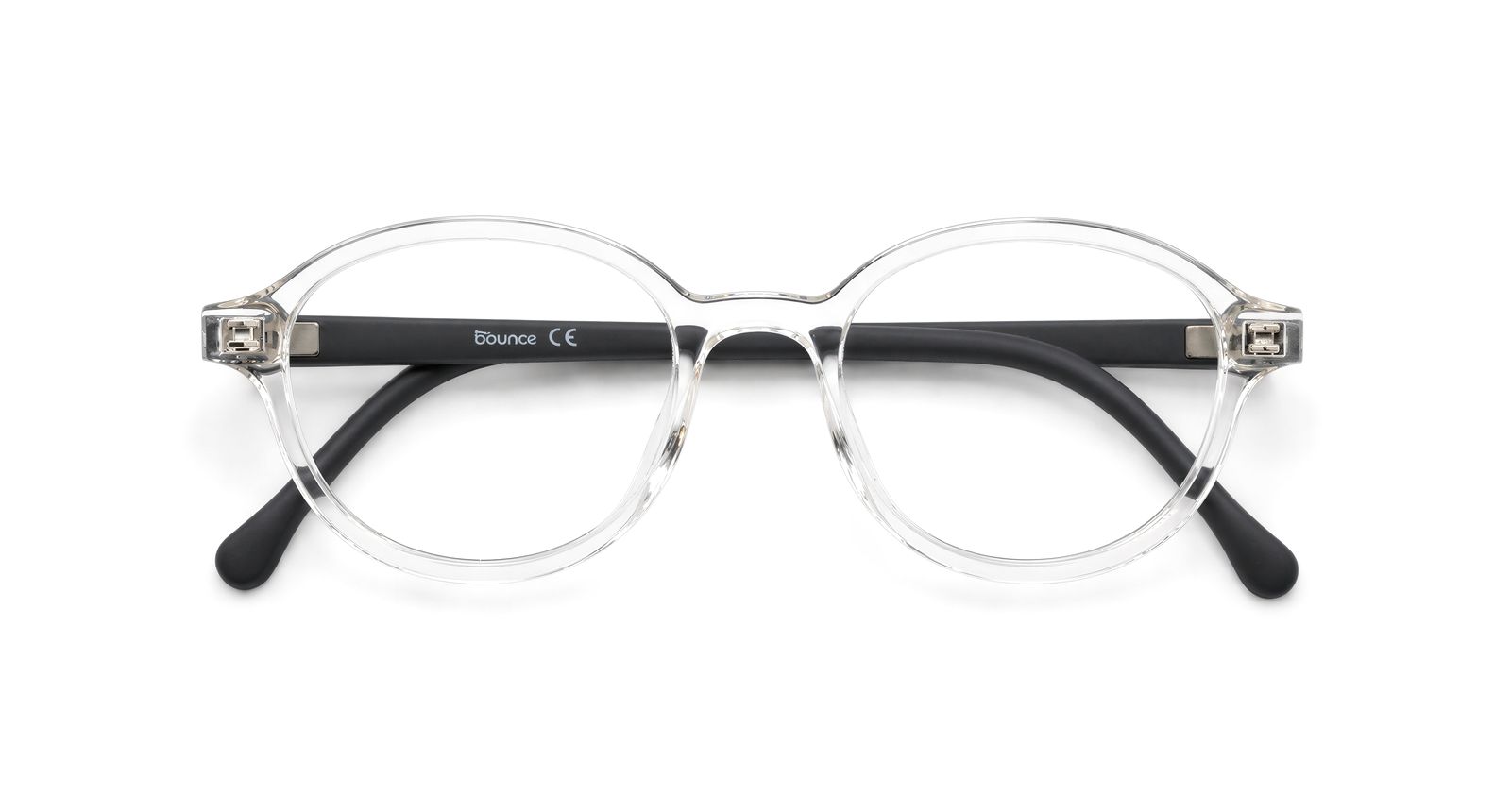
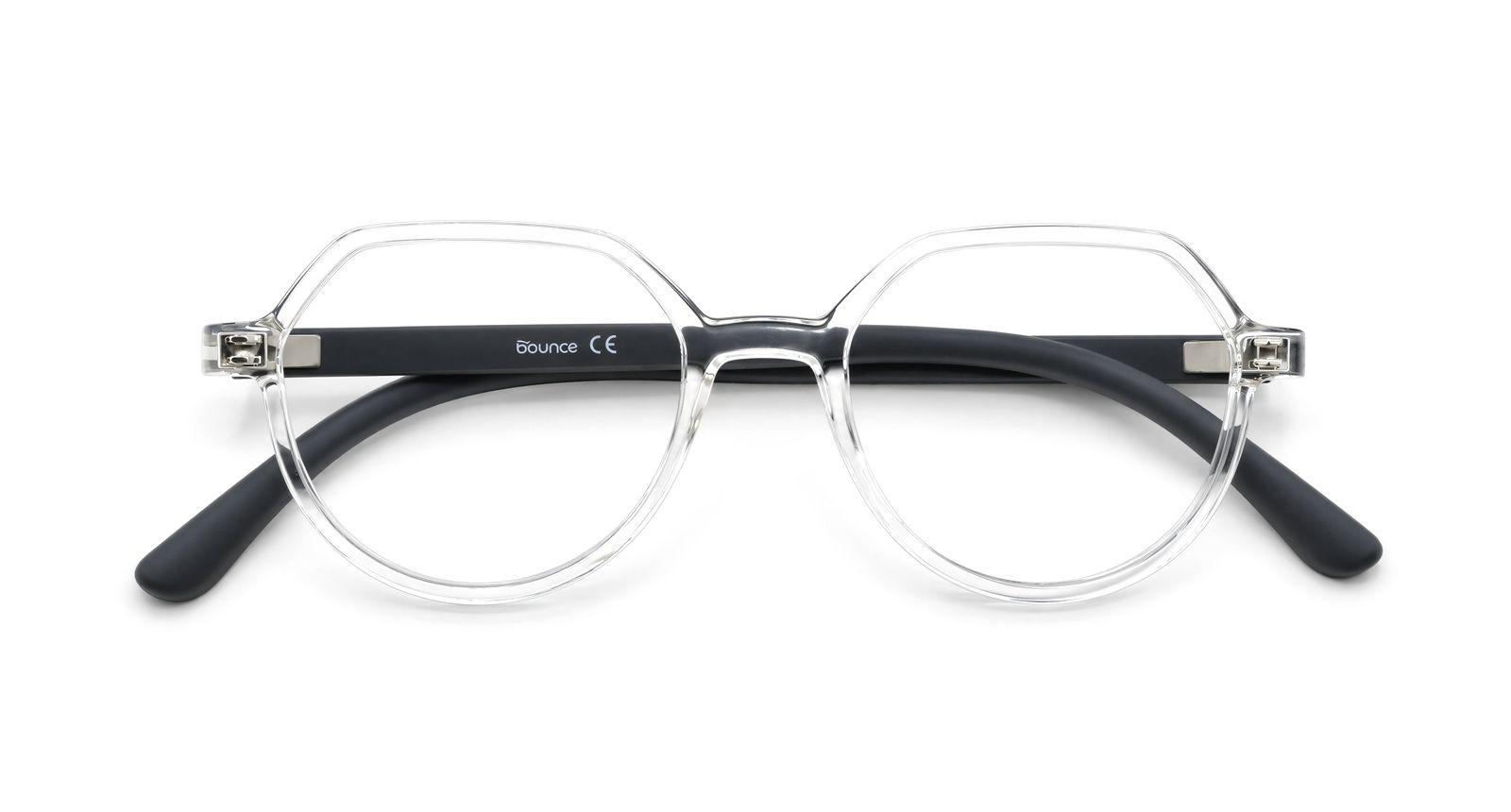
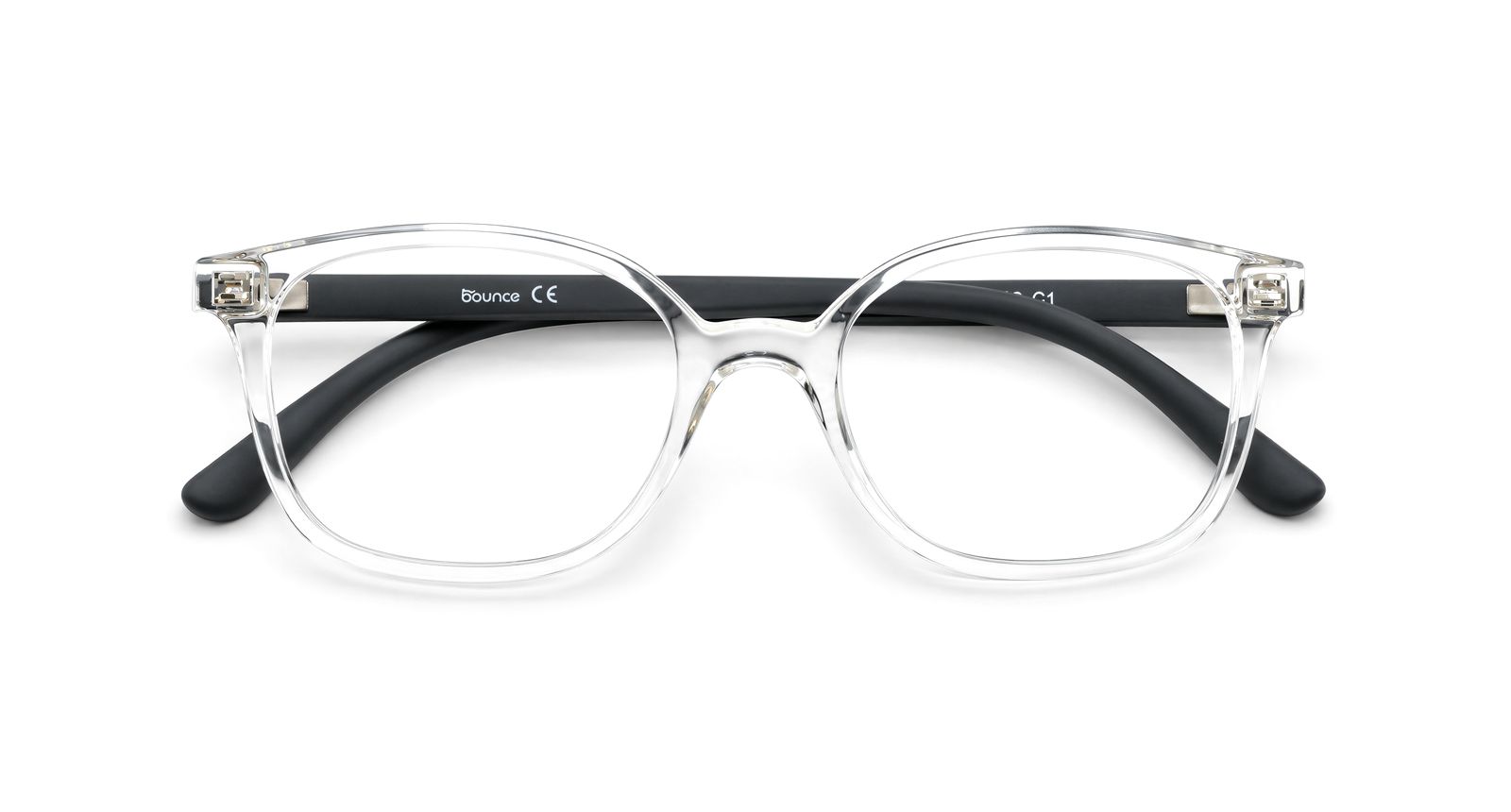
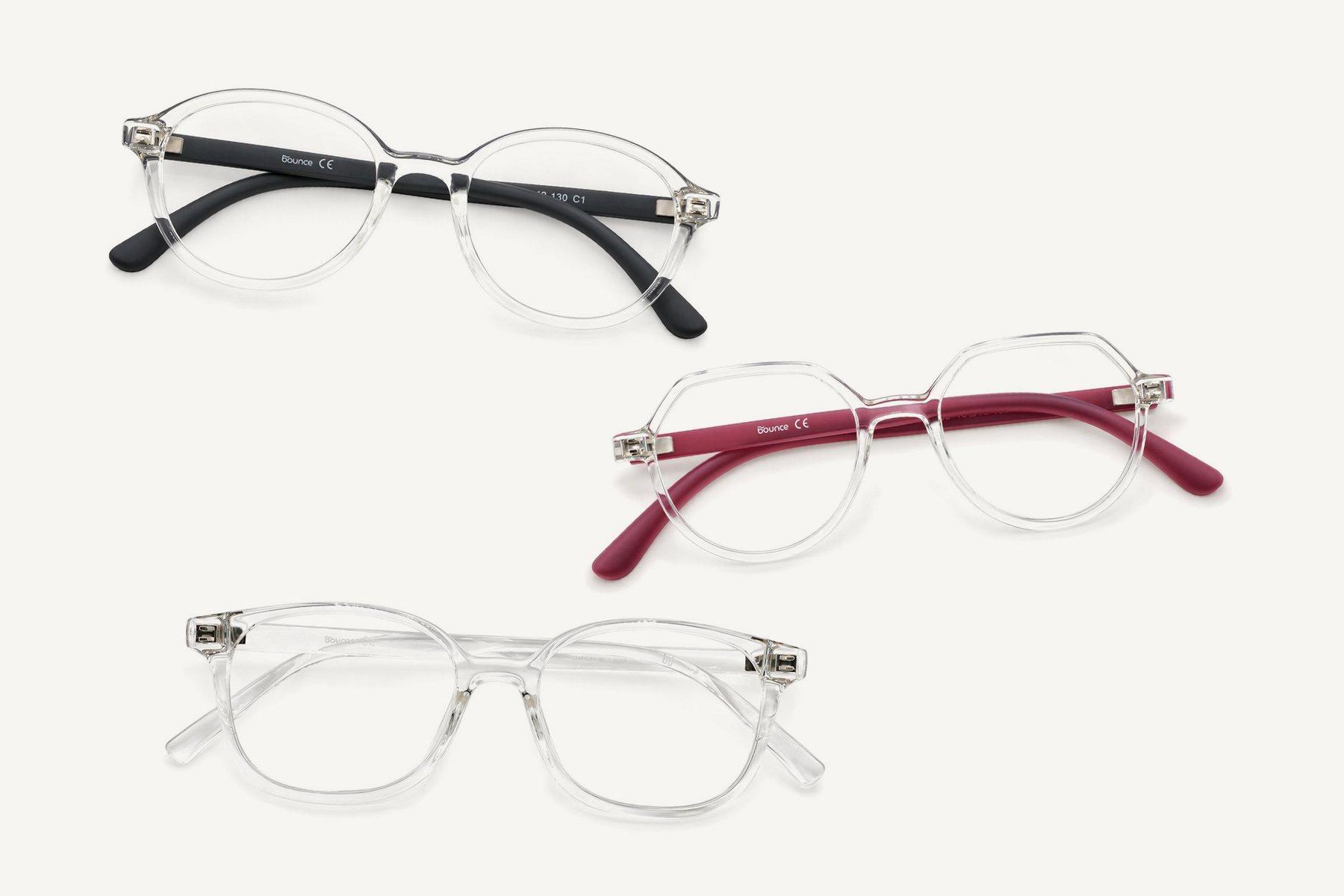
Width: every frame lists its millimeters across the front, and its name says the age it usually fits — Maple Little Kid starts around four. The size check turns a face measurement into the frames that fit it.
Lenses: polycarbonate with anti-reflective, scratch-resistant and hydrophobic coatings, in the price, at every prescription — and we argue against most of the upgrades.
Breakage: one free replacement inside twelve months, under the Unbreakable Vow. The second pair costs nothing, which is the number that matters.
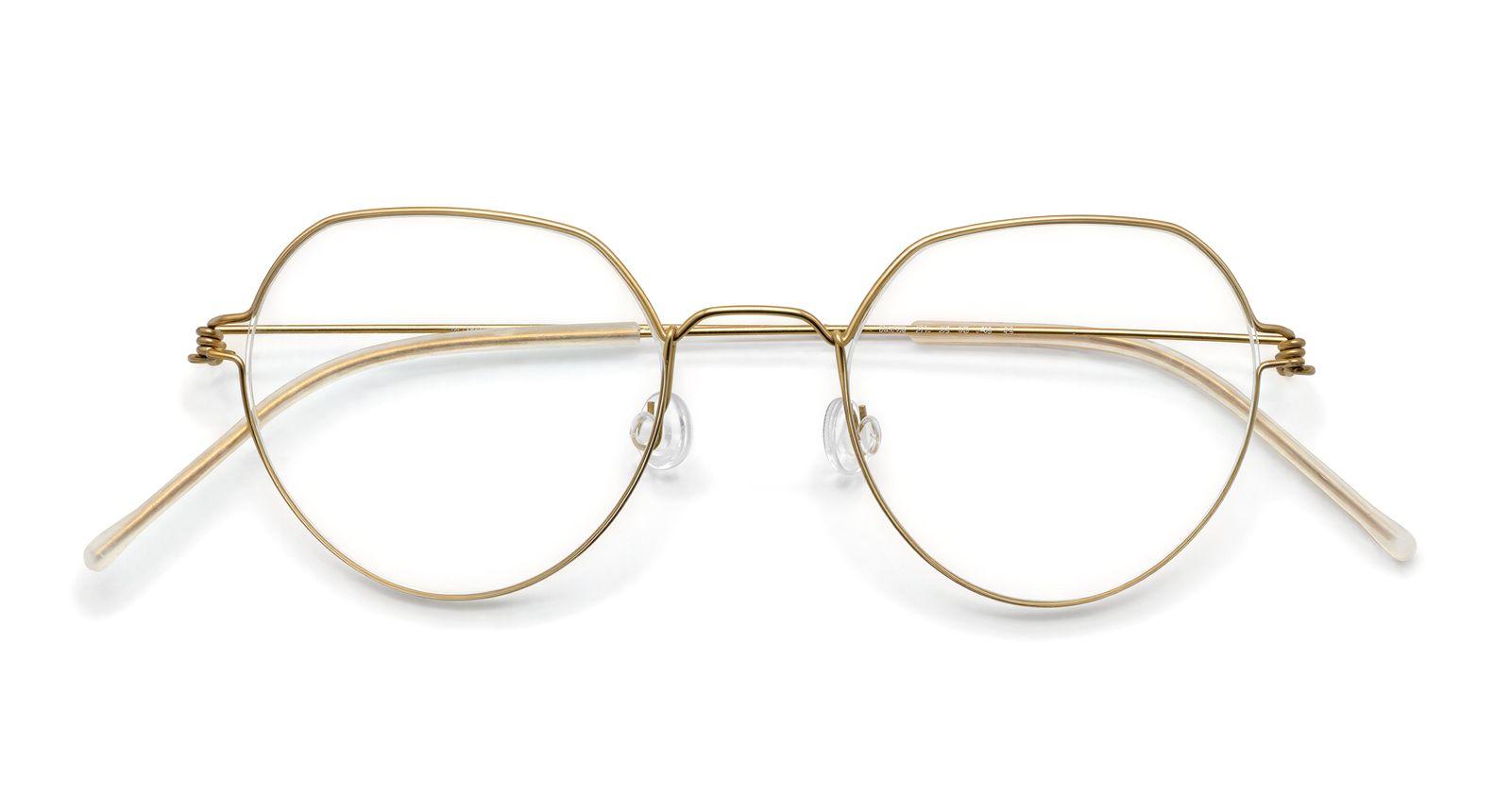
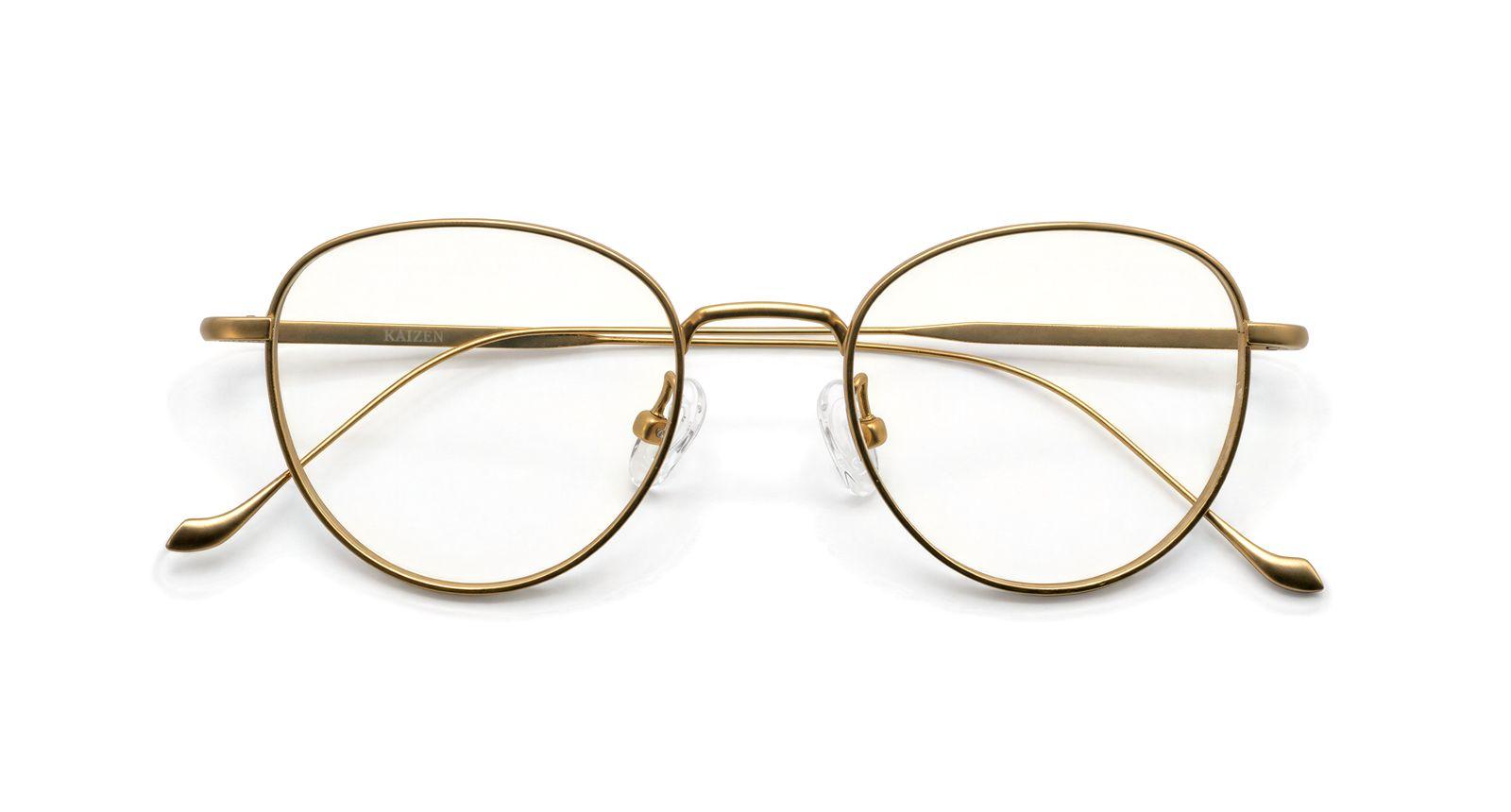
Material: TR-90, Ultem with titanium temples, or titanium — named per line rather than described as “durable”.
Looks: your department. Filter first, then pick.
Three things that matter less than they seem
- Face shape. The rule about round faces and square frames is not supported by much, and fit and preference do the work instead — the long version.
- Blue-light filtering. The evidence does not support the eye-strain claim made for it, and we sell it.
- Thin lenses. Thinner is not tougher. For a child, polycarbonate is almost always the better trade.
Common questions
- What are the best glasses for kids?
- There is no best pair in the abstract — there is the pair that fits the face in front of you. A frame two sizes too wide from a good brand is worse than a well-fitting one from a mediocre brand, because it slides all day and gets handled ten times more.
- What should I look for in children's glasses?
- In order: the width across the front against the width of your face, polycarbonate lenses, what happens when they break, a material that resists taking a set, and only then how it looks. Most shopping happens in exactly the reverse order.
- Should I let my child pick their own glasses?
- Yes, from a shortlist you have already filtered by size. A child who chose their glasses wears them; a child who had them chosen loses them. Both things can be true at once, which is what a shortlist is for.
- How much should I spend on kids' glasses?
- Less than you think per pair and more than you think per year. The question worth asking is what a replacement costs, because for a child the second pair is not hypothetical.