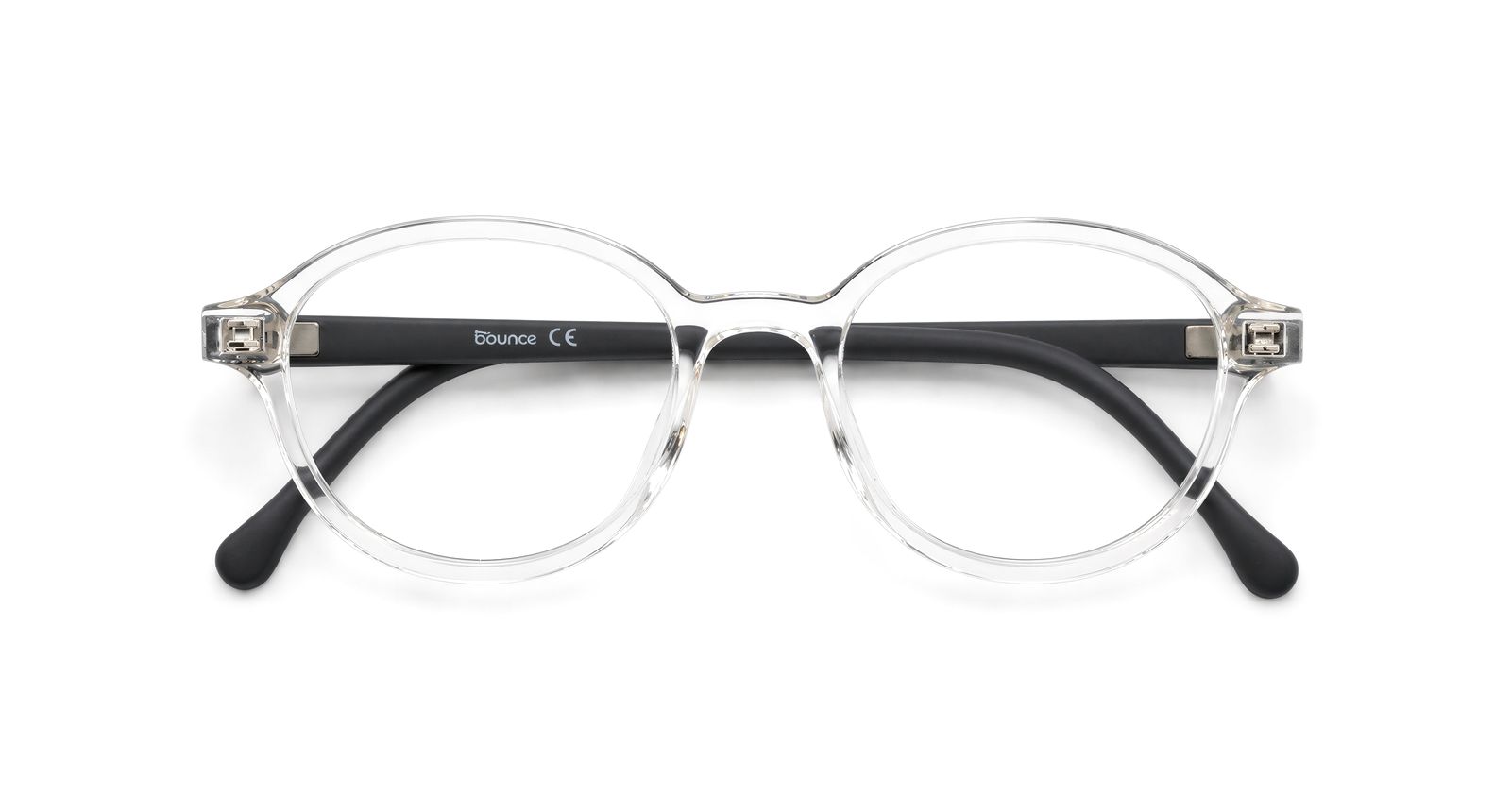
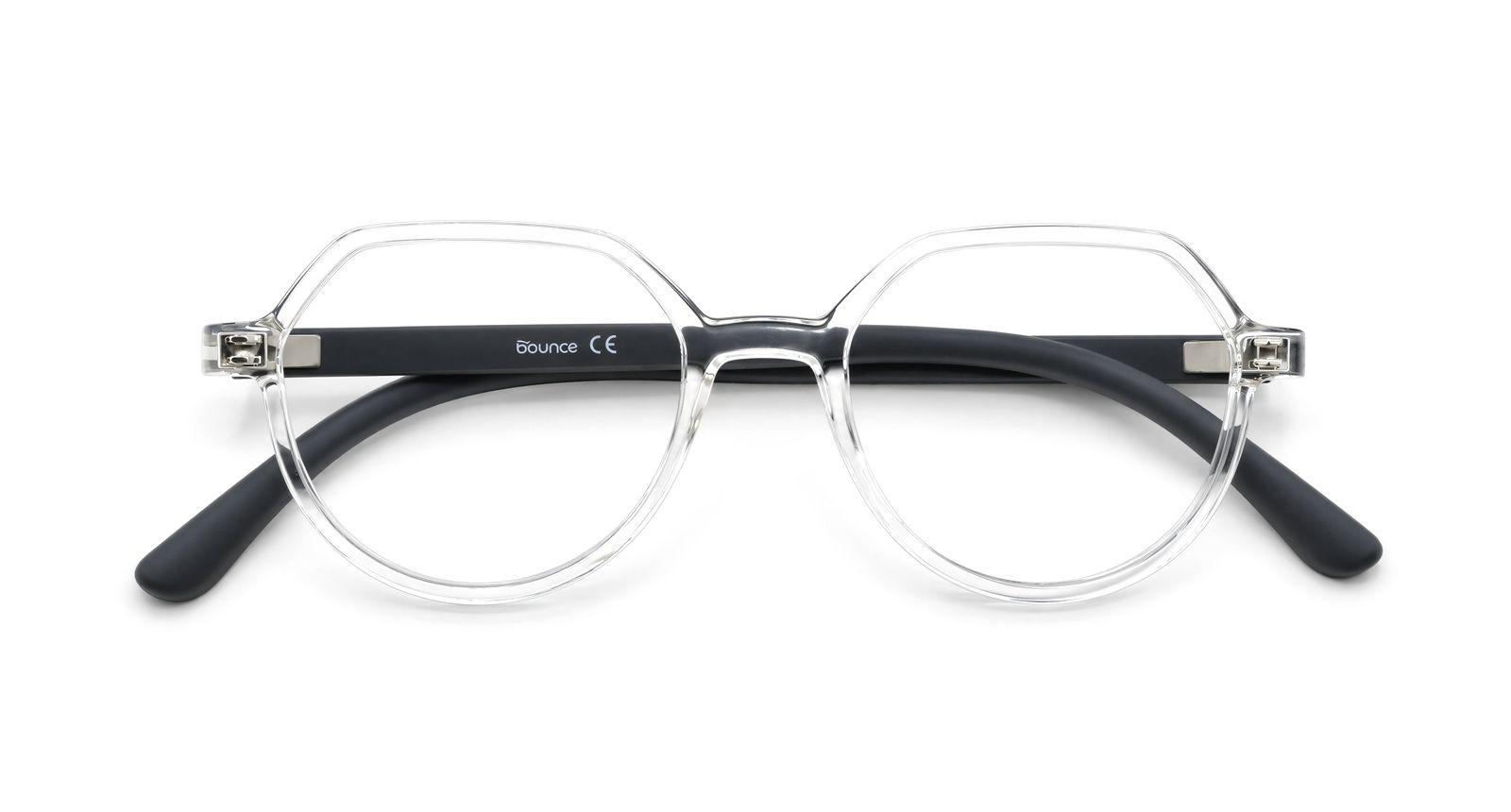
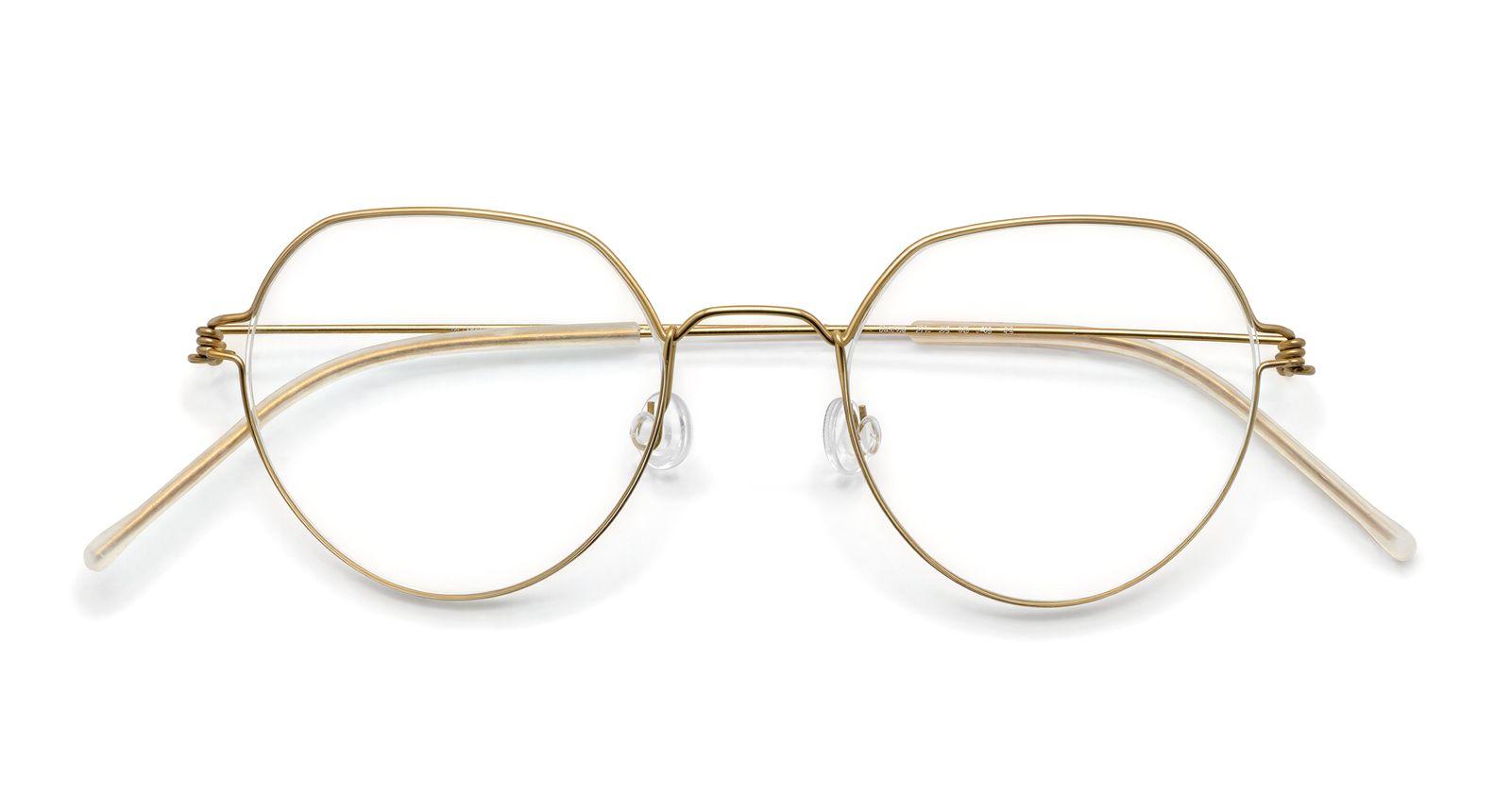
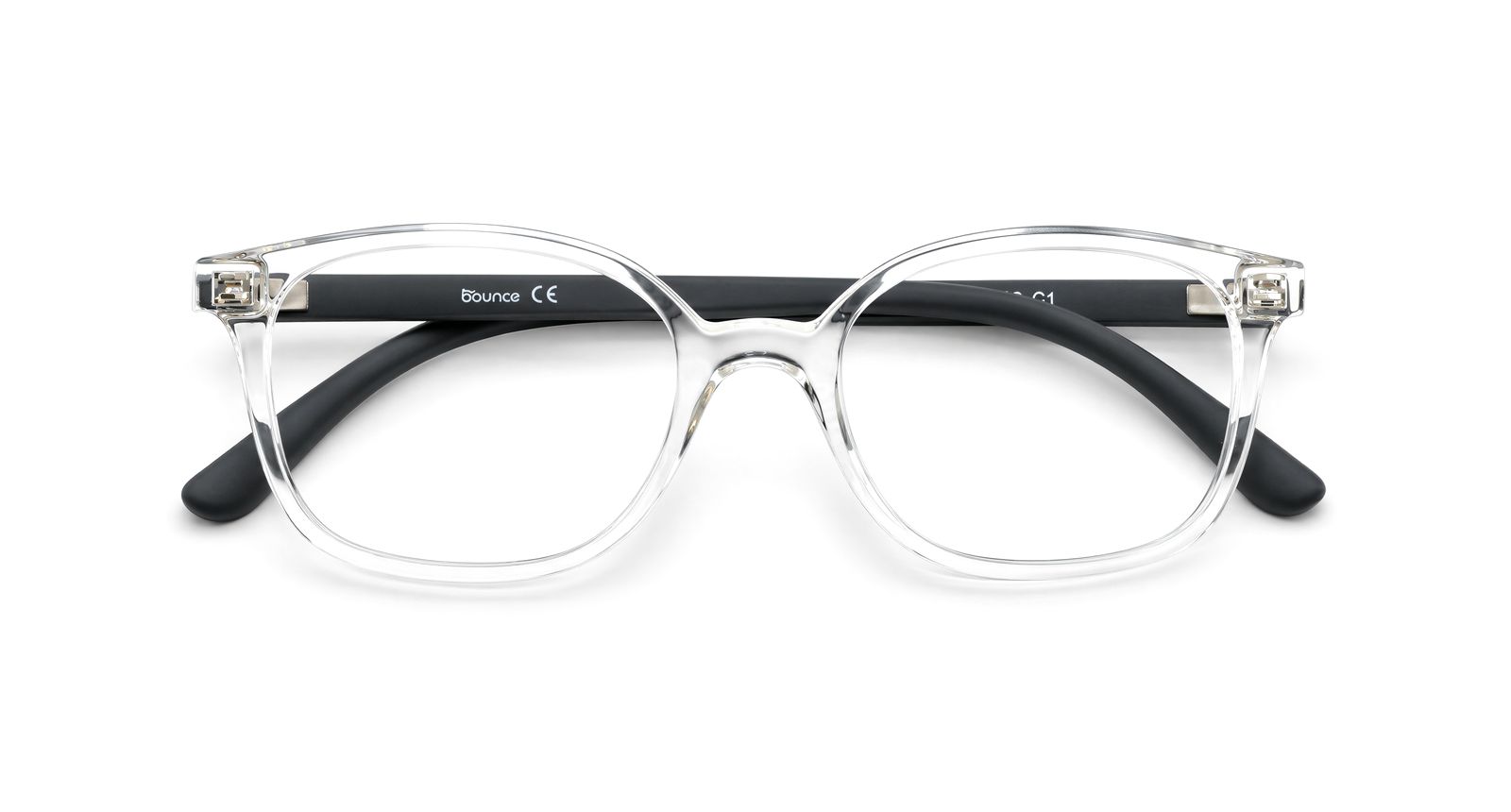
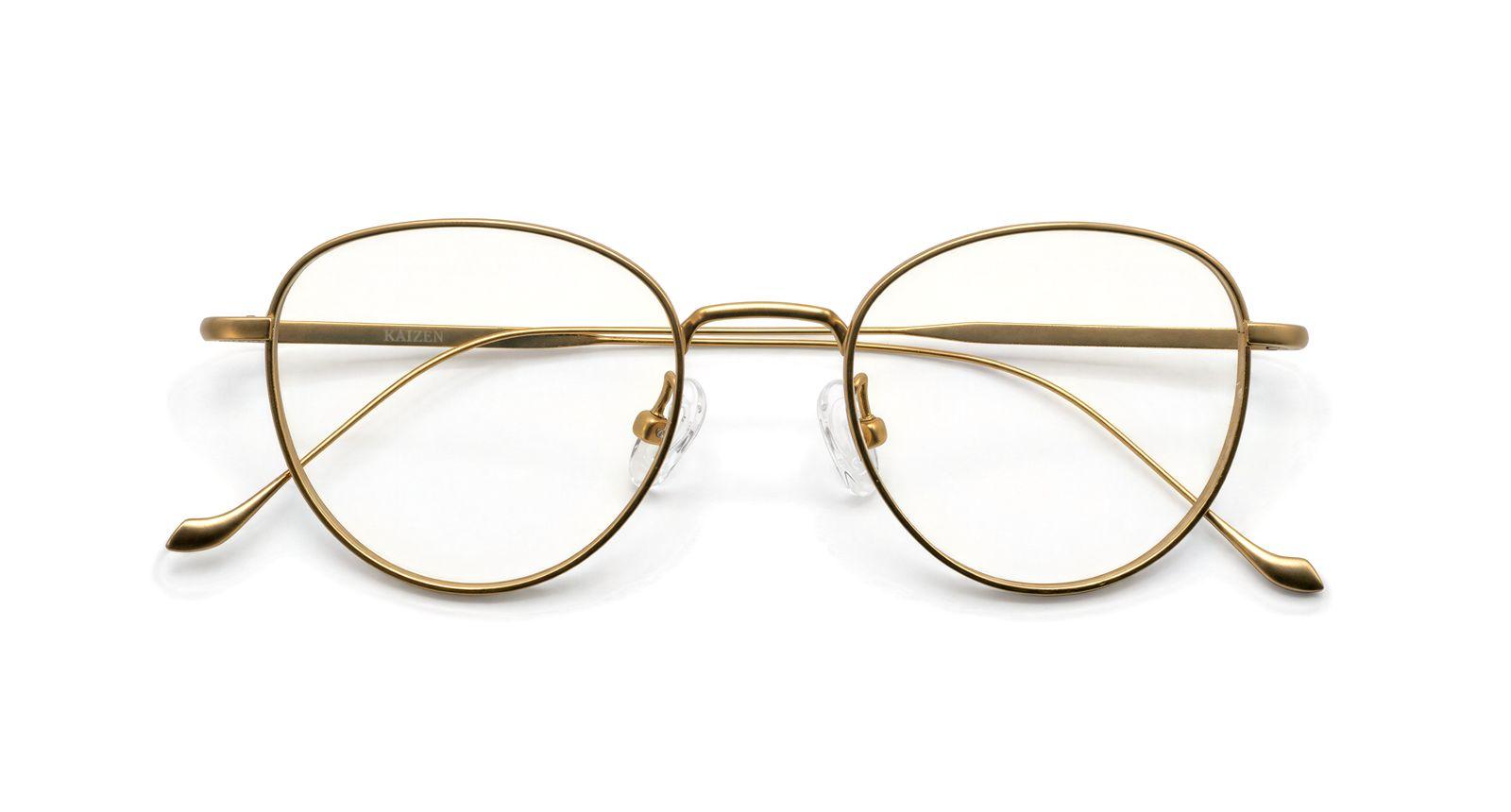
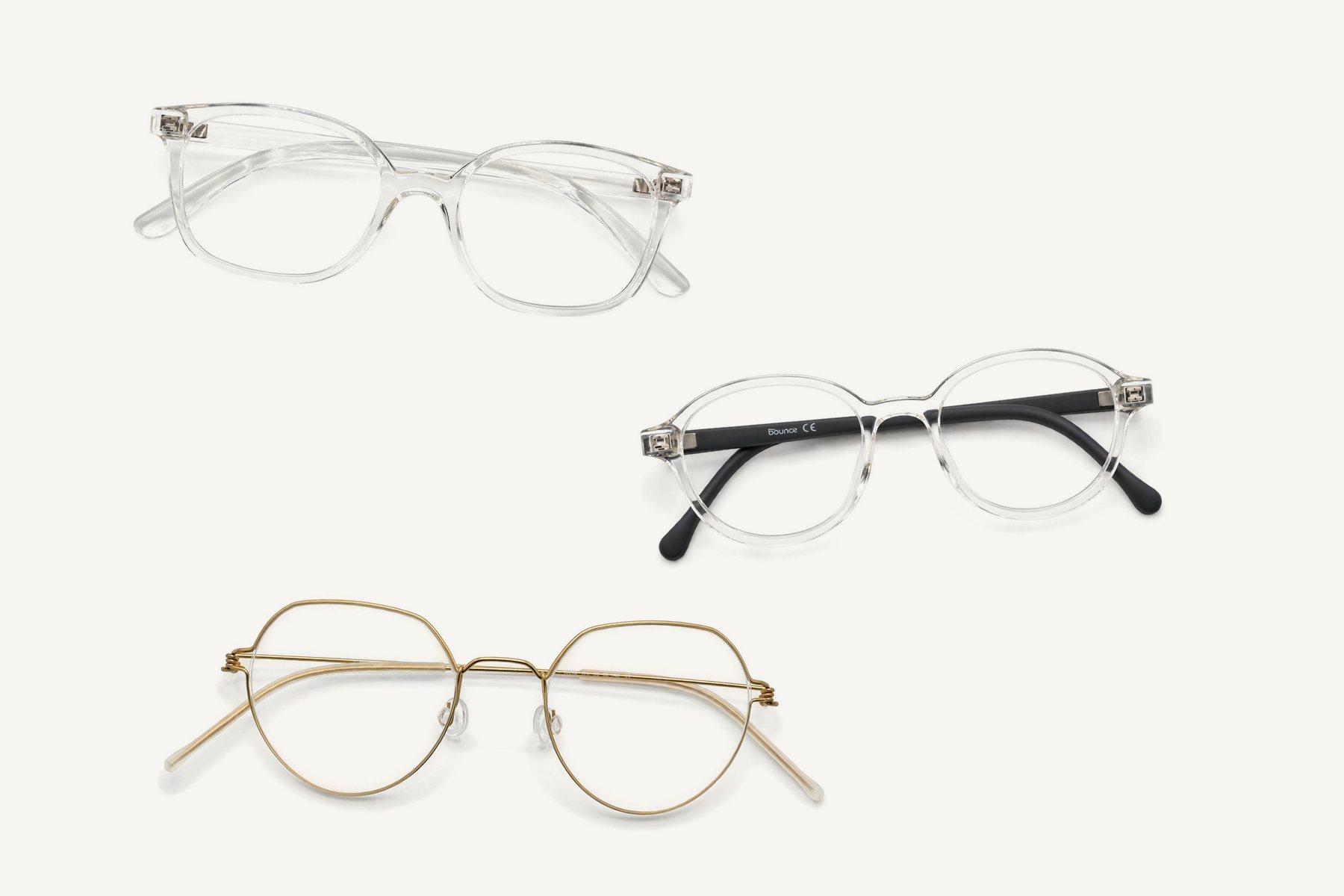
What a pair costs here
| Line | Construction | Complete pair |
|---|---|---|
| Bounce | TR-90 | $95 |
| Nord | Titanium | $149.98 |
| Kaizen | Titanium | $169.98 |
That is the whole price for most prescriptions. Not a frame price, not a starting-from price, and not a price that becomes a different one once you have picked a color.
The things that are usually the second half of the bill.
Prescription lenses, surfaced to your prescription and centered on your pupils. This is the one that matters, because it is the item most commonly quoted separately.
Polycarbonate — the impact-resistant material, which is the right lens for a child rather than the cheap one. Why we recommend it over the thinner options.
Anti-reflective and scratch-resistant coatings, and UV protection. Frequently sold as a package on top elsewhere.
Twelve months of replacements. Break them and we remake them — see the Unbreakable Vow for what that covers. It is not an extended warranty you are offered at checkout. It is in the number above.
What genuinely costs extra
Some things do, and pretending otherwise would be the same trick in a nicer voice. Light-responsive lenses are $125. A thinner 1.67 lens is $60. A prescription sun lens is its own pair rather than an add-on.
The difference is that we will tell you which of those to skip. The lens options guide marks most of them not worth taking for most children, including two we sell, which is not the usual direction for a page like this to point.
Going the other way: a non-prescription pair is $20 less, because a stock blank is less work than a lens cut and surfaced to a prescription.
Why the comparison is so hard to make
Search this question and the numbers run from about twenty dollars to several hundred, which reads like chaos and is actually a definitional problem. Three different things are being priced:
- A frame, with lenses to be quoted once you are committed.
- A frame plus basic lenses, where basic often means a material you would not choose for a child.
- A finished pair in the material and coatings you actually want.
Only the third is comparable to the table above. The reliable way to compare any two prices in this category is to take each one all the way to a finished pair in polycarbonate with anti-reflective coating and see what comes out.
The arithmetic that actually decides it
We are not the cheapest kids’ glasses you can buy, and there is no version of this page where that stops being true. What we would rather argue is that the per-pair price is the wrong unit for a product the buyer fully expects to be sat on.
Cost per year is the honest measure. A cheaper pair bought again in March, and again in June, is not cheaper. Ours is one price with a year of replacements already inside it — so the second pair, and the third, cost nothing, and the number you paid in September is still the number when the school year ends.
That is also why the sizing work matters to the bill. A frame that does not fit gets pushed, pulled and eventually broken, and it is replaced early because it was never right. The size check is the cheapest thing on this page.
Insurance, FSA and HSA
Prescription eyewear is generally an eligible FSA and HSA expense, and neither requires being in a network. Most stand-alone vision plans pay back part of the cost out of network — you pay here and claim with an itemized receipt — but children’s vision that comes inside a medical or marketplace plan usually pays nothing. Check your plan’s benefit summary before you count on it.
The insurance page carries the claim form and mailing address for each major carrier, and the receipt you need from us.
Common questions
- How much do kids' glasses cost?
- Here, between $95 and $169.98 for a complete pair — frame, prescription lenses, and the coatings — with nothing else to add for most prescriptions. Across the category the honest answer is that an advertised price is usually a frame price, and lenses are quoted separately once you are already choosing.
- Why are kids' glasses so expensive?
- Two prices are usually being compared and only one of them is a pair of glasses. A frame price with lenses added later can easily double. The other half is that a child's pair is a made-to-order optical product: the lenses are surfaced to their prescription and centered on their pupils, which is manufacturing rather than picking stock off a shelf.
- Do you charge less without a prescription?
- Yes — $20 less. A non-prescription pair is a stock blank we glaze rather than a lens we cut, surface and edge, so there is less work in it and it costs less. Charging the same for both would be more money for less product.
- Are kids' glasses covered by FSA or HSA?
- Prescription eyewear is generally an eligible expense for both, and you do not need to be in any network to use them. Vision insurance is separate. Most stand-alone vision plans pay back part of the cost out of network — you pay here and claim with an itemized receipt — but children's vision that comes inside a medical or marketplace plan usually pays nothing. Check your plan's benefit summary before you count on it.