The short answer
A frame slides down because it is wider than the face it is sitting on. The weight ends up on the nose instead of being carried between the nose and the ears, and a young child’s nose bridge has not developed enough to hold it there. So it slips, you push it up, and eventually you stop pushing and just look over the top — which undoes the whole point of the prescription.
Wax, silicone pads and ear hooks all add friction to hold a too-wide frame in place. They can get you through a school term. They do not fix the cause, and none of them make the frame narrower.
How to tell, in about a minute
Put the glasses on, let them settle, and have a helper look at you straight on from the front. Four things to check:
- Do the edges line up with the sides of your face? The outer edge of the frame should sit at about the width of your head at the temples. If it hangs out past the sides, it is too wide.
- Does the eye sit in the middle of the lens? Not the middle left-to-right only — the middle. If your eyes sit high and inside, the frame is bigger than the face.
- Does the bottom of the frame touch your cheek? It should not. A frame resting on the cheek gets pushed down every time you smile, and children smile a lot.
- Take them off after an hour and look at the nose. Deep red marks either side mean the whole weight has been sitting there. Marks at the sides of the head instead mean the opposite problem: a frame you have outgrown.
If two or more of those are true, no accessory is going to solve it. The frame is the wrong size.
One number decides it, and it is not on the label.
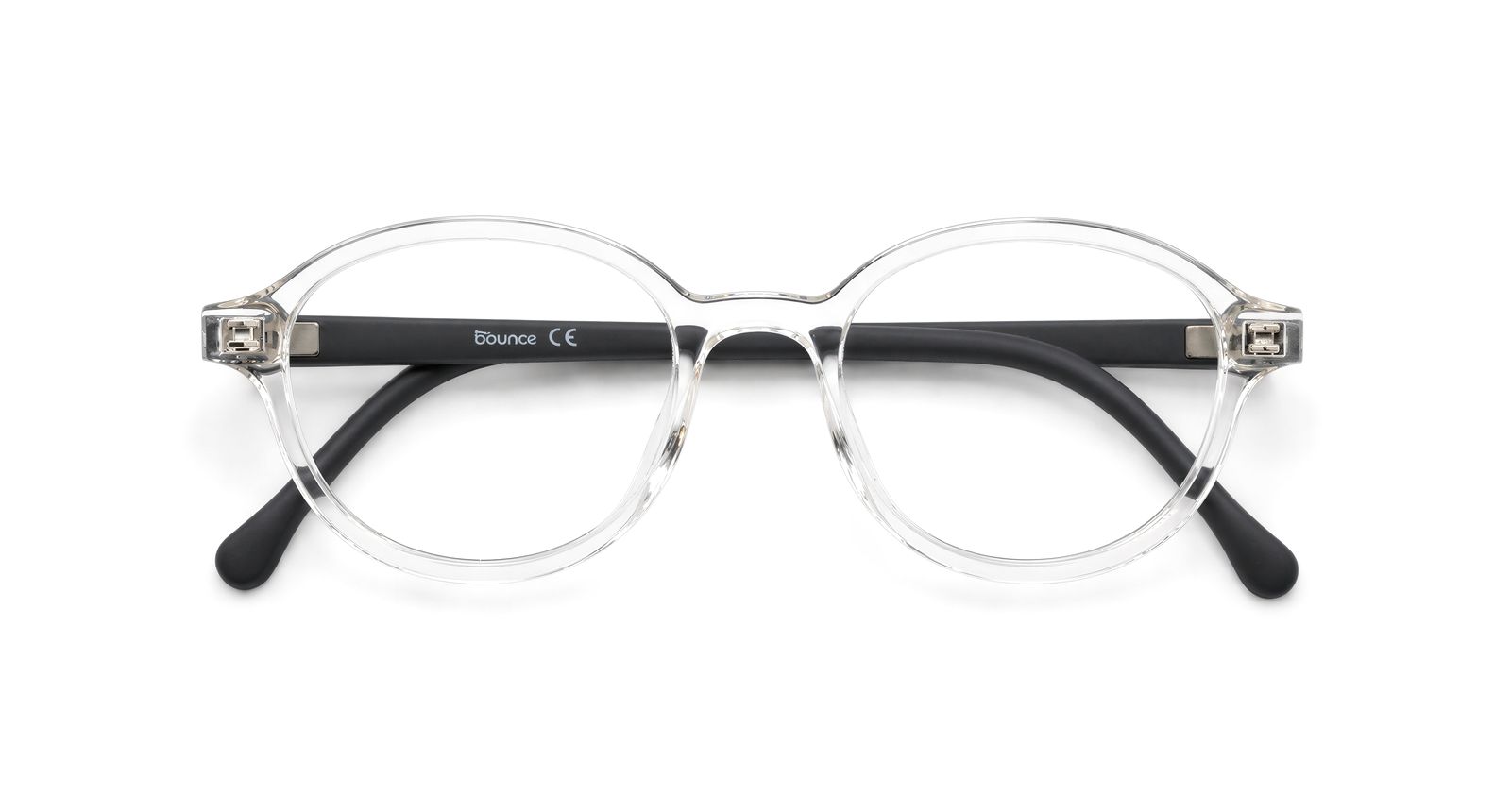
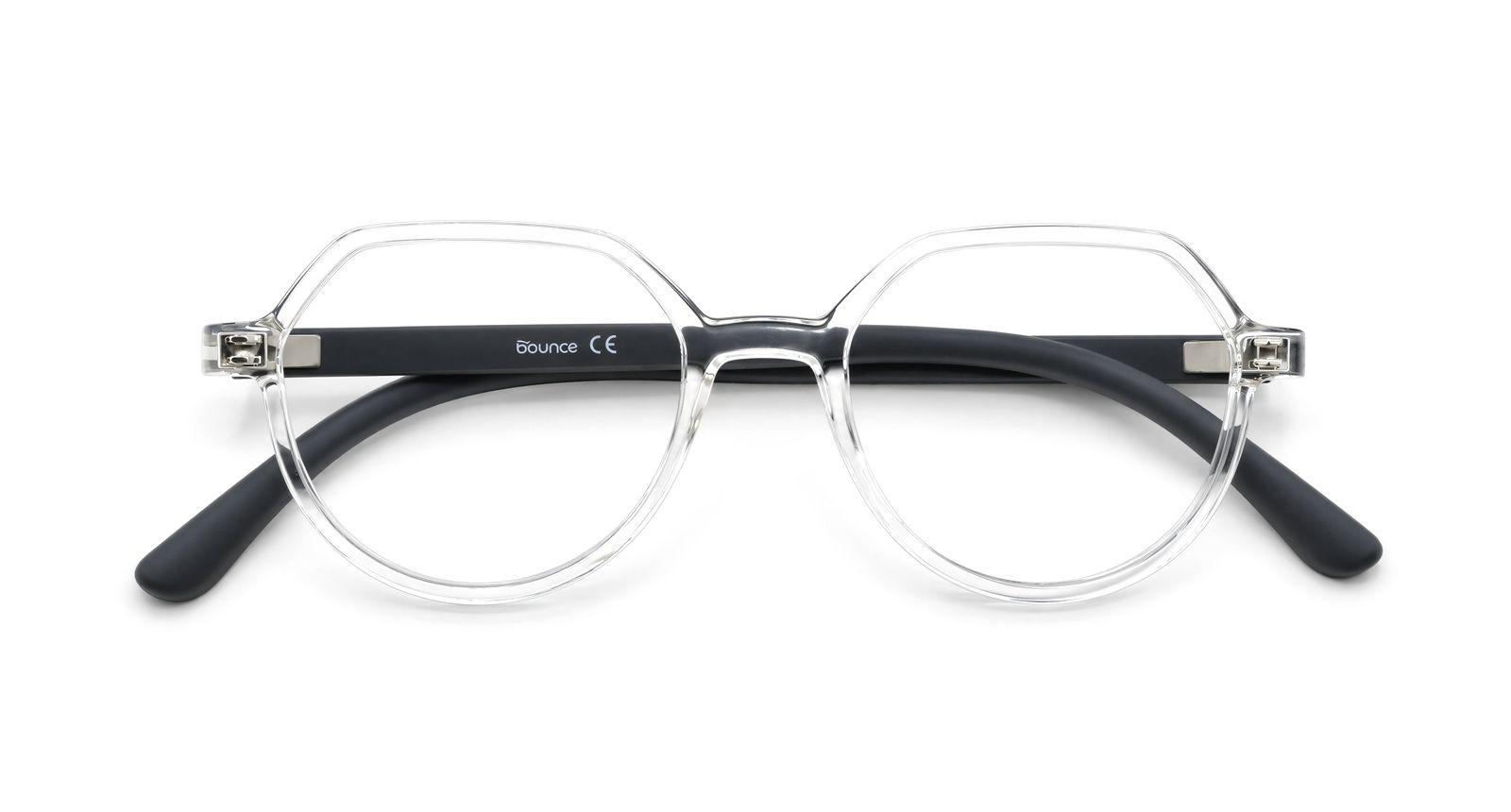
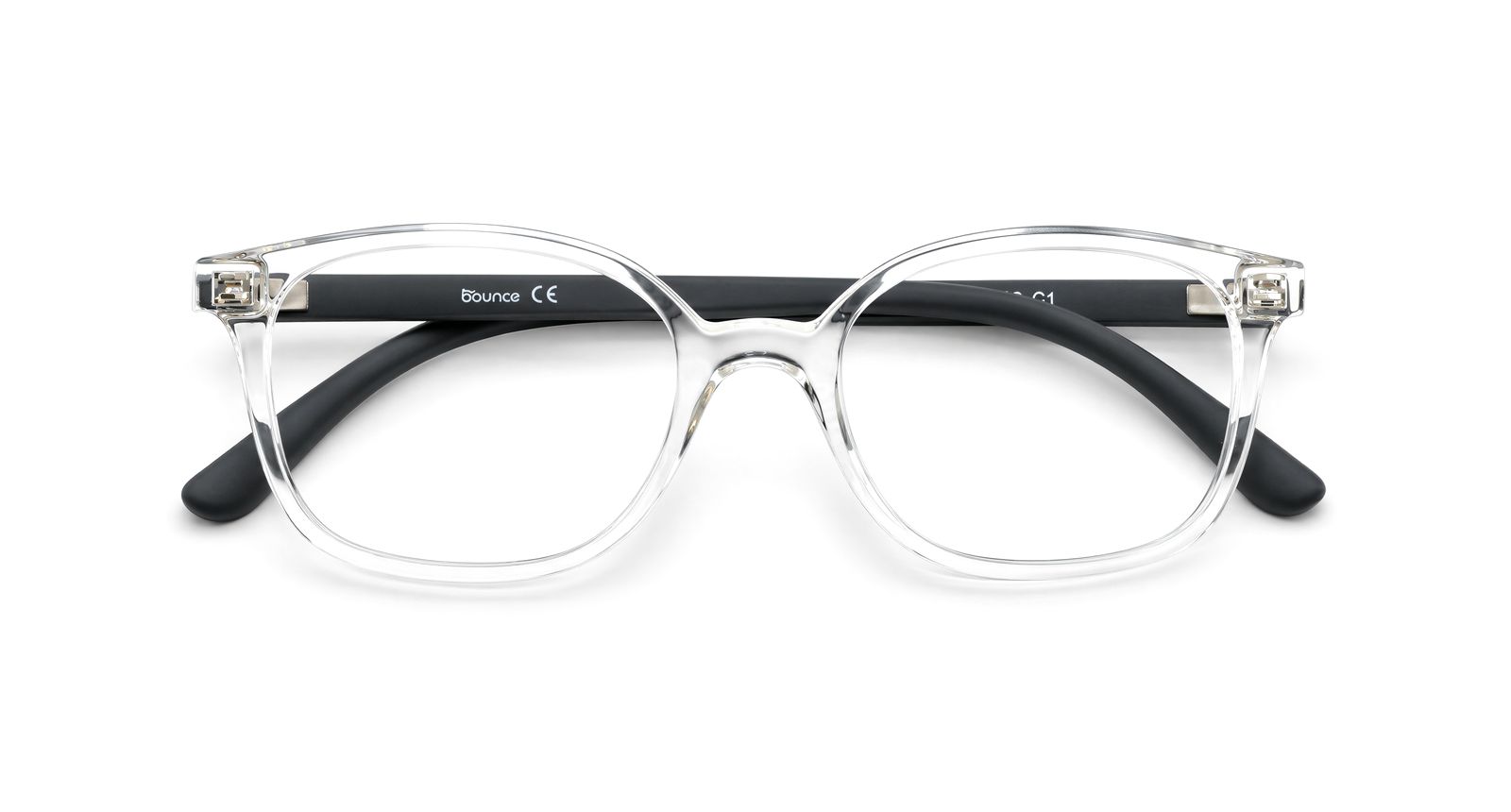
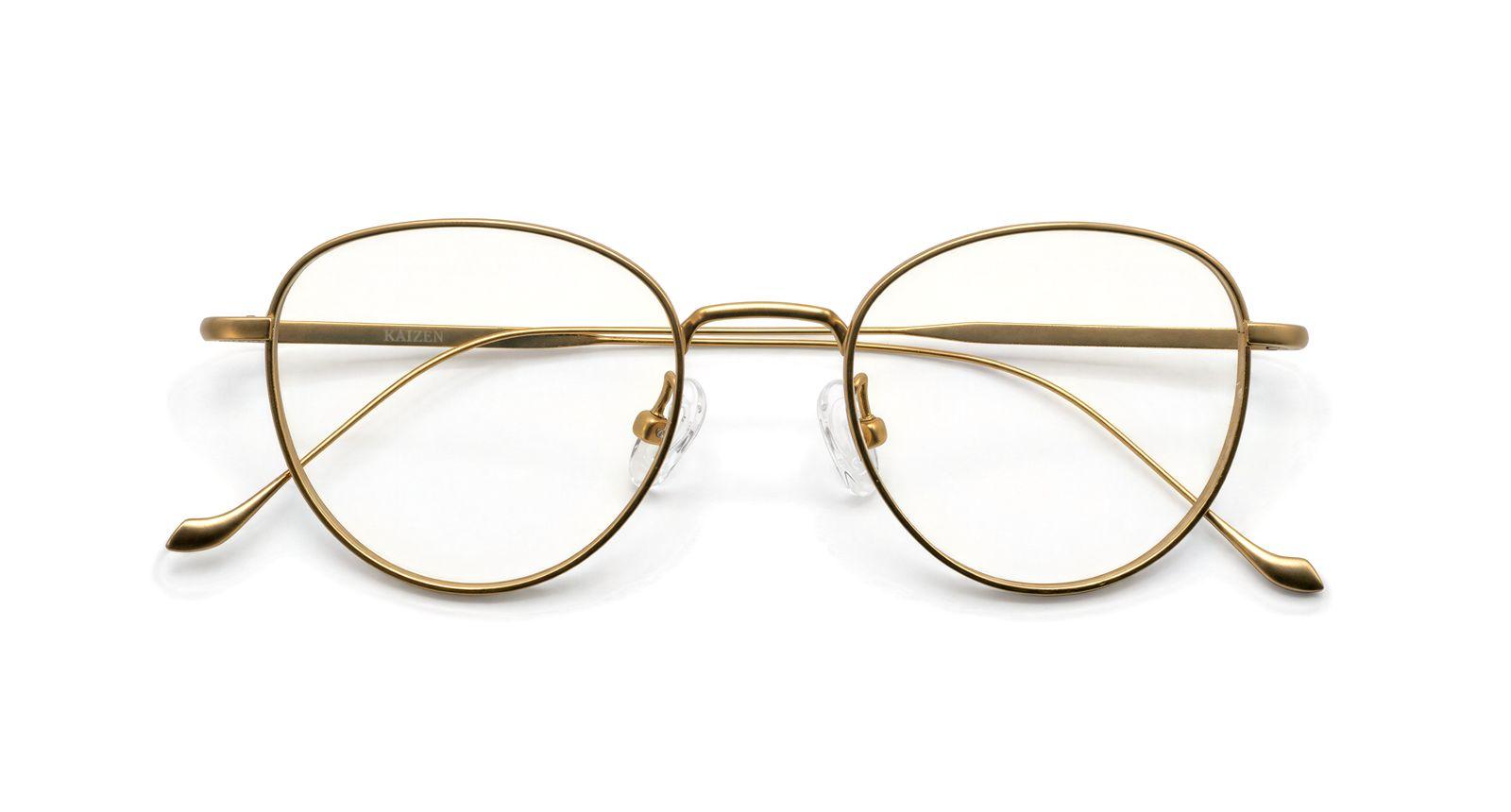
The three numbers stamped inside the temple arm — something like 43-16-130 — measure the lens, the bridge and the arm. They do not measure the frame. Two of our own frames carry the identical marking and sit eight millimeters apart across the front, because one has much thicker rims than the other.
The number that matters is the front width: the whole distance across the frame, outer edge to outer edge. Measure it on a pair you already own with any ruler. A four-year-old is usually somewhere near 110mm; a fourteen-year-old nearer 130mm. Ours are all published, which is why they are named for it.
Why so many children’s frames are too wide
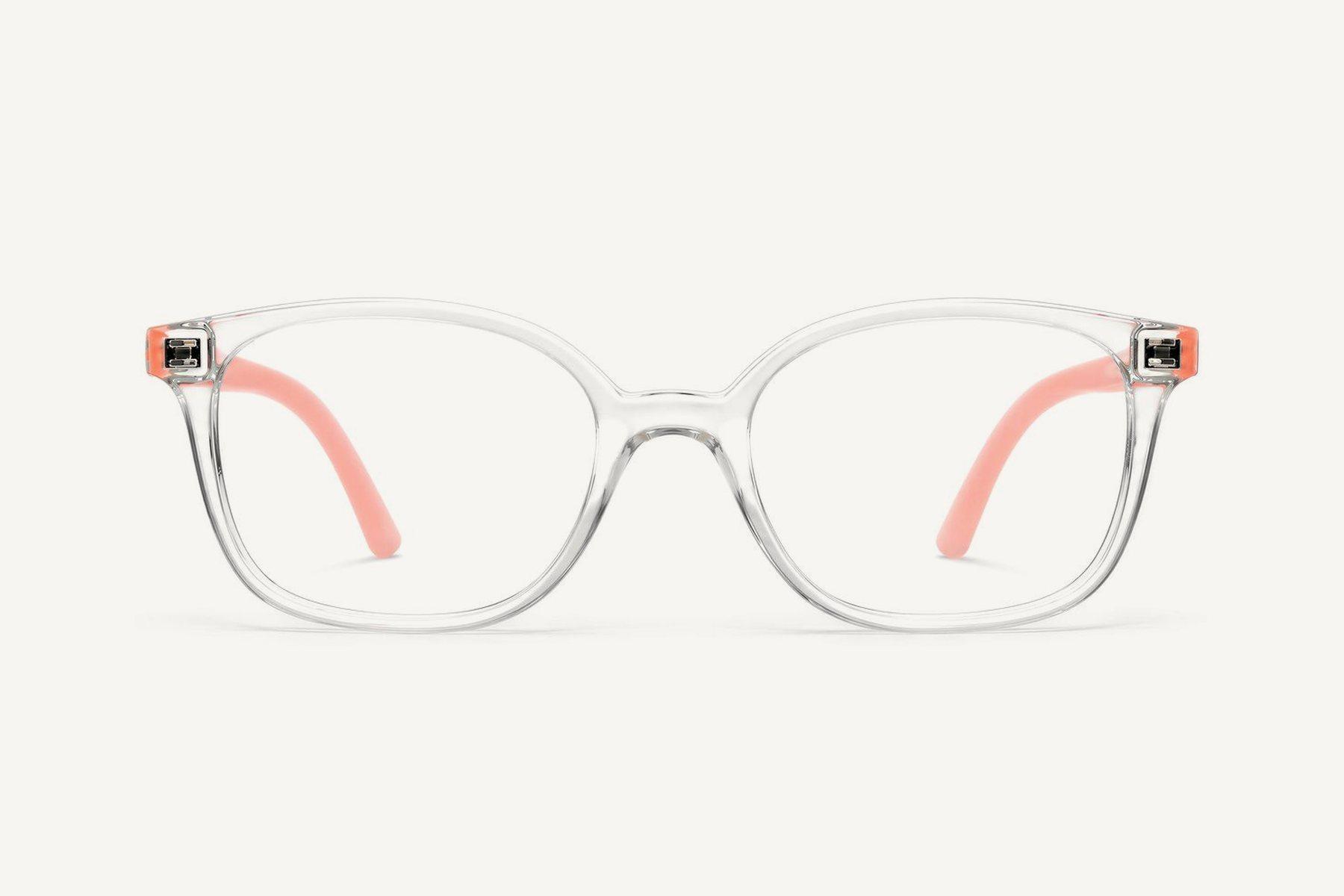
Because most brands make one width and call it a kids’ frame. The most popular children’s frame sold online is 125mm across the front, which is a reasonable fit for a nine-year-old and much too wide for a four-year-old. If the range you are shopping starts there, everything in it will slide on a small face, and no amount of choosing carefully within that range will help.
It is not that you picked badly. There was nothing narrower on the page.
When an accessory is the right answer
Sometimes it genuinely is. If the frame is the right width and still moves during sport, a strap is sensible and every optician will tell you the same. If you are between sizes and about to grow, a slightly roomy frame with a strap can be the practical choice for a few months. And if the frame is simply bent, it can usually be adjusted back in a couple of minutes by whoever dispensed it — that is free almost everywhere, including here.
The distinction is whether you are holding a correct frame in place or compensating for the wrong one.
What we would do
Measure the front width of the pair you own now, and compare it with the four checks above. If the frame is more than a few millimeters wider than your face, replace it rather than accessorize it — from us or from anyone who publishes their measurements.
Ours run from 110mm upward and every frame is named for its own width, so the matching is arithmetic rather than guesswork. If you would rather not measure anything, the size check does it from a photograph in about a minute.