Start with the screw
Before deciding anything is bent, put the glasses down on a flat table and look at them from the front. If one arm sits higher, or the frame rocks, the odds are heavily on a loose hinge screw rather than a deformed frame — and that is a quarter-turn with a jeweller’s screwdriver.
It is the fix people skip because it feels too small to be the answer. On a child’s glasses, opened and closed a dozen times a day and frequently by the wrong hand, it usually is the answer.
If the screw turns and turns without tightening, stop — the thread has gone, and that is a two-minute job for someone with the right barrel, not a home one.
Then find out what you are holding
This is where the generic advice falls down. Almost every article on bending glasses back into shape assumes acetate or ordinary metal. Two of the four constructions we make behave nothing like either.
| Material | Where | How it behaves | Verdict |
|---|---|---|---|
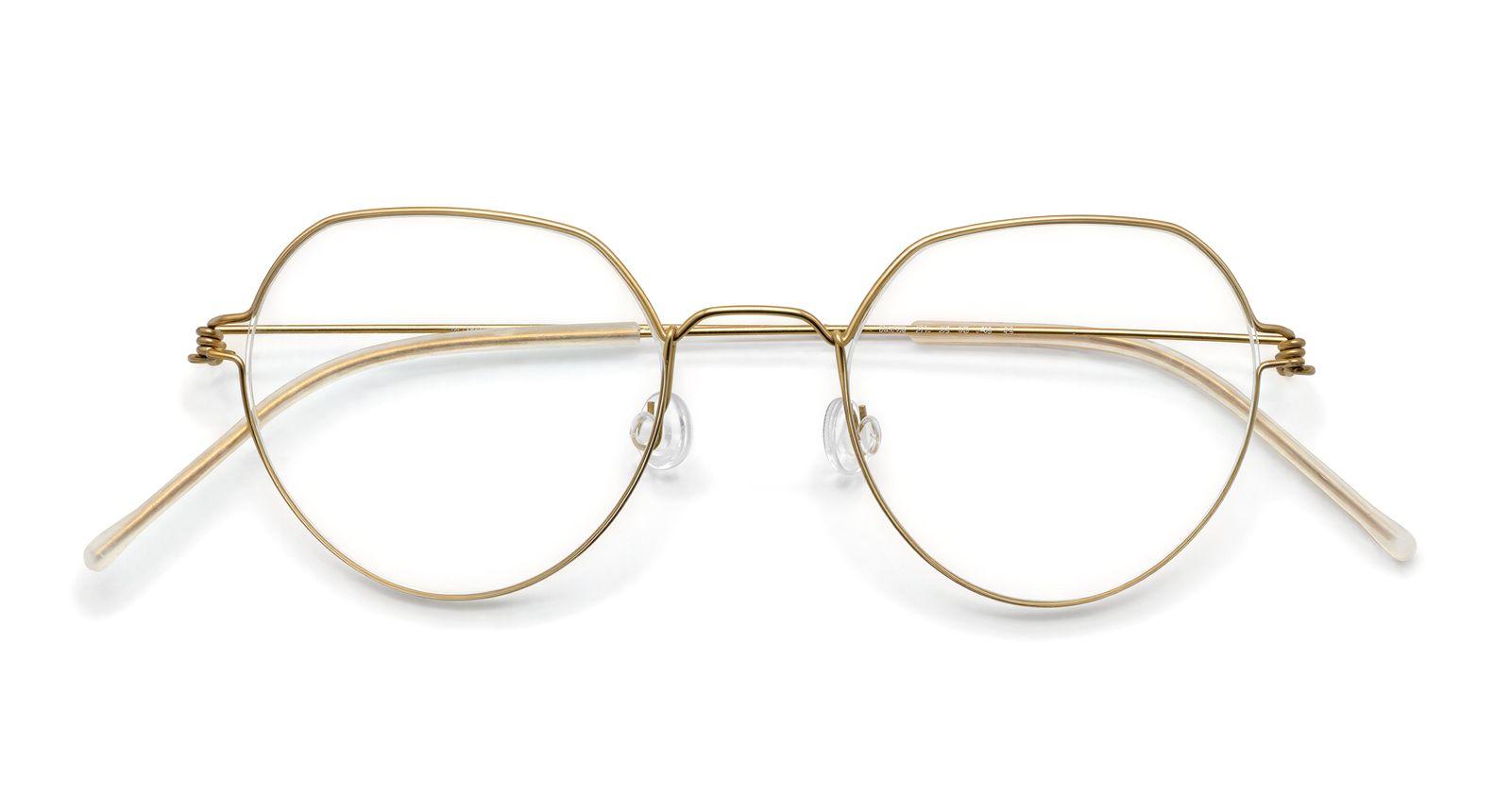
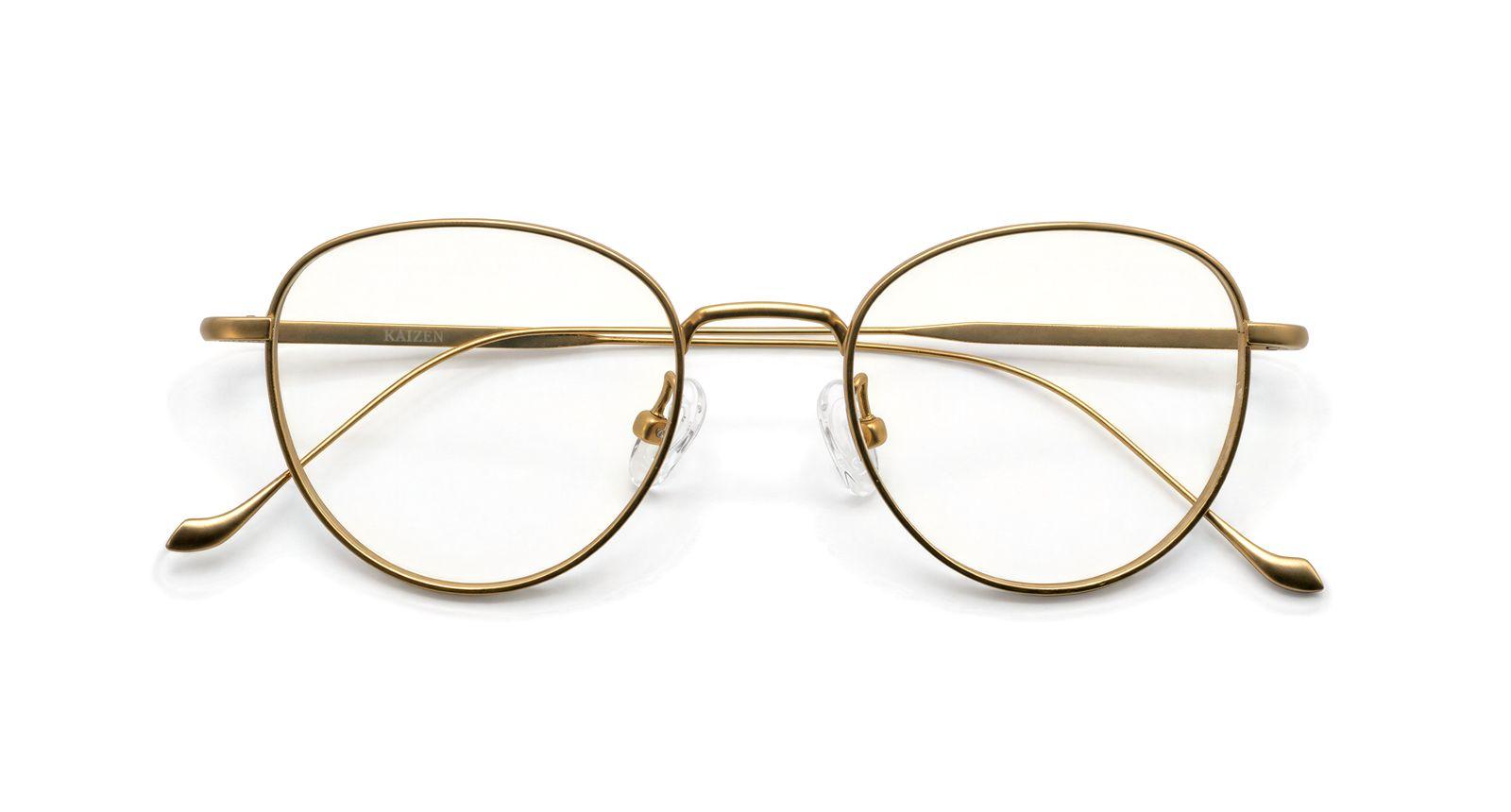
| Titanium | Nord and Kaizen | Bends and holds. This is the material adjustment was invented for — small pressure, small result, and it stays where it is put. | Adjustable |
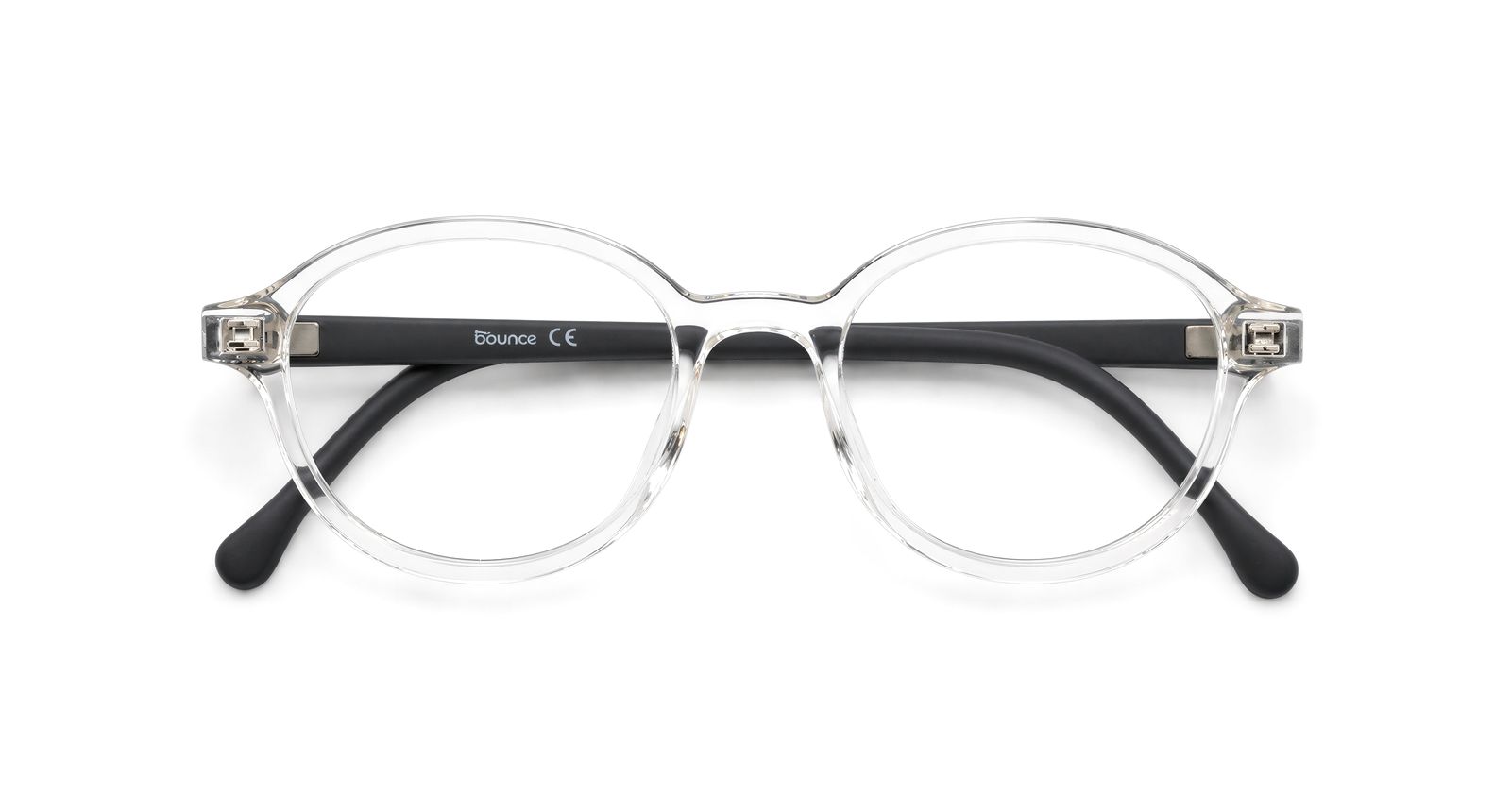
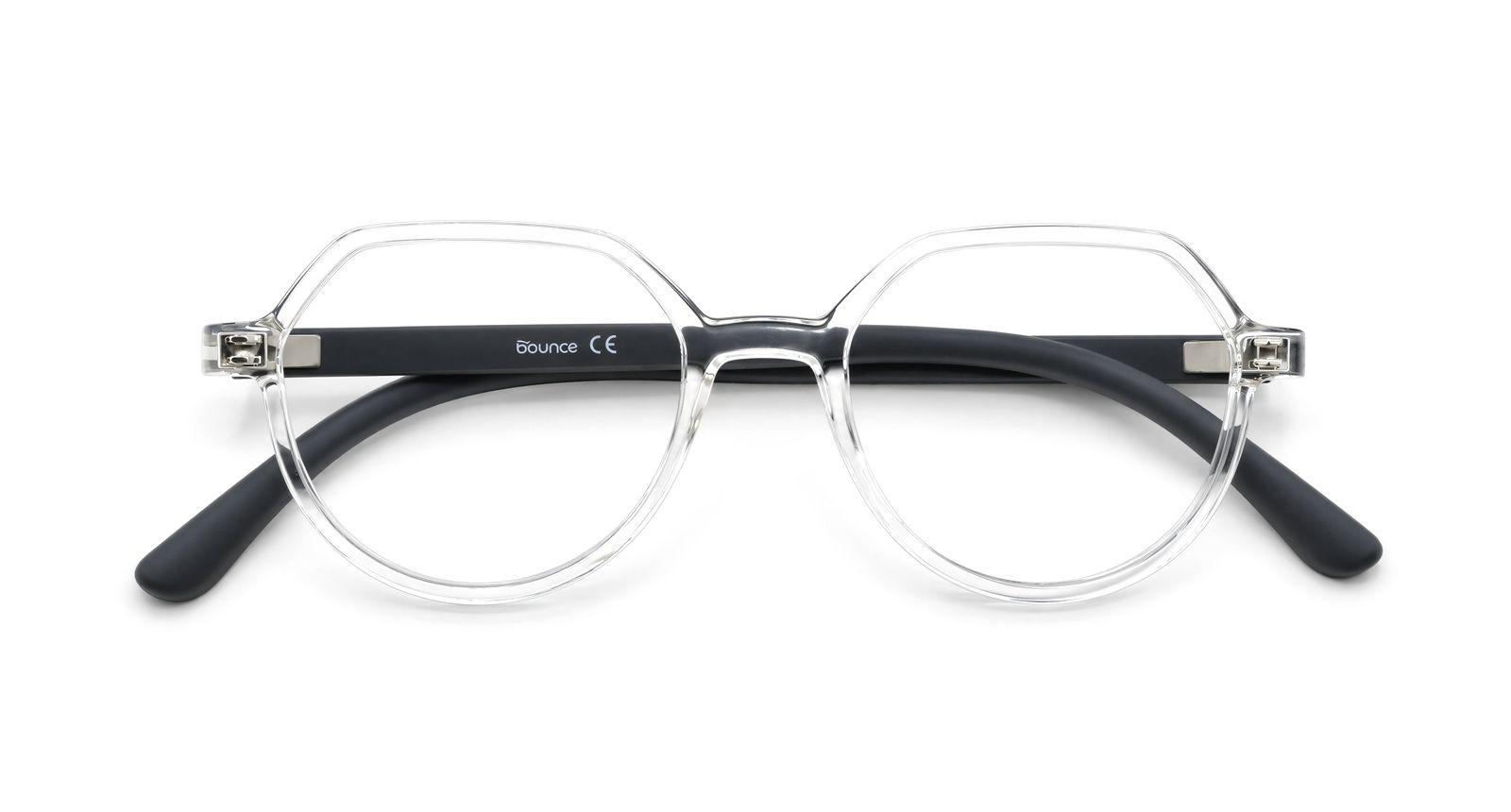
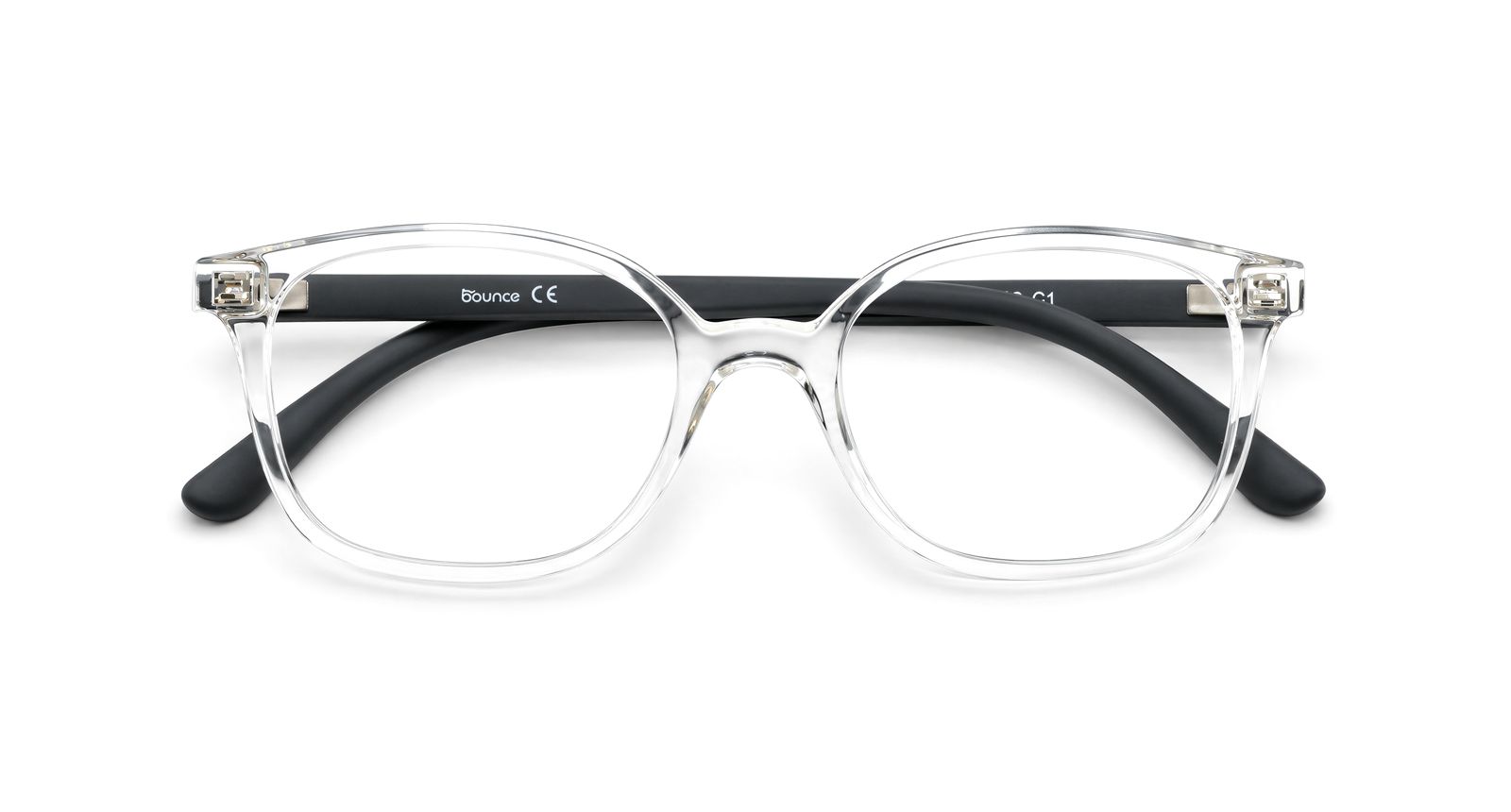
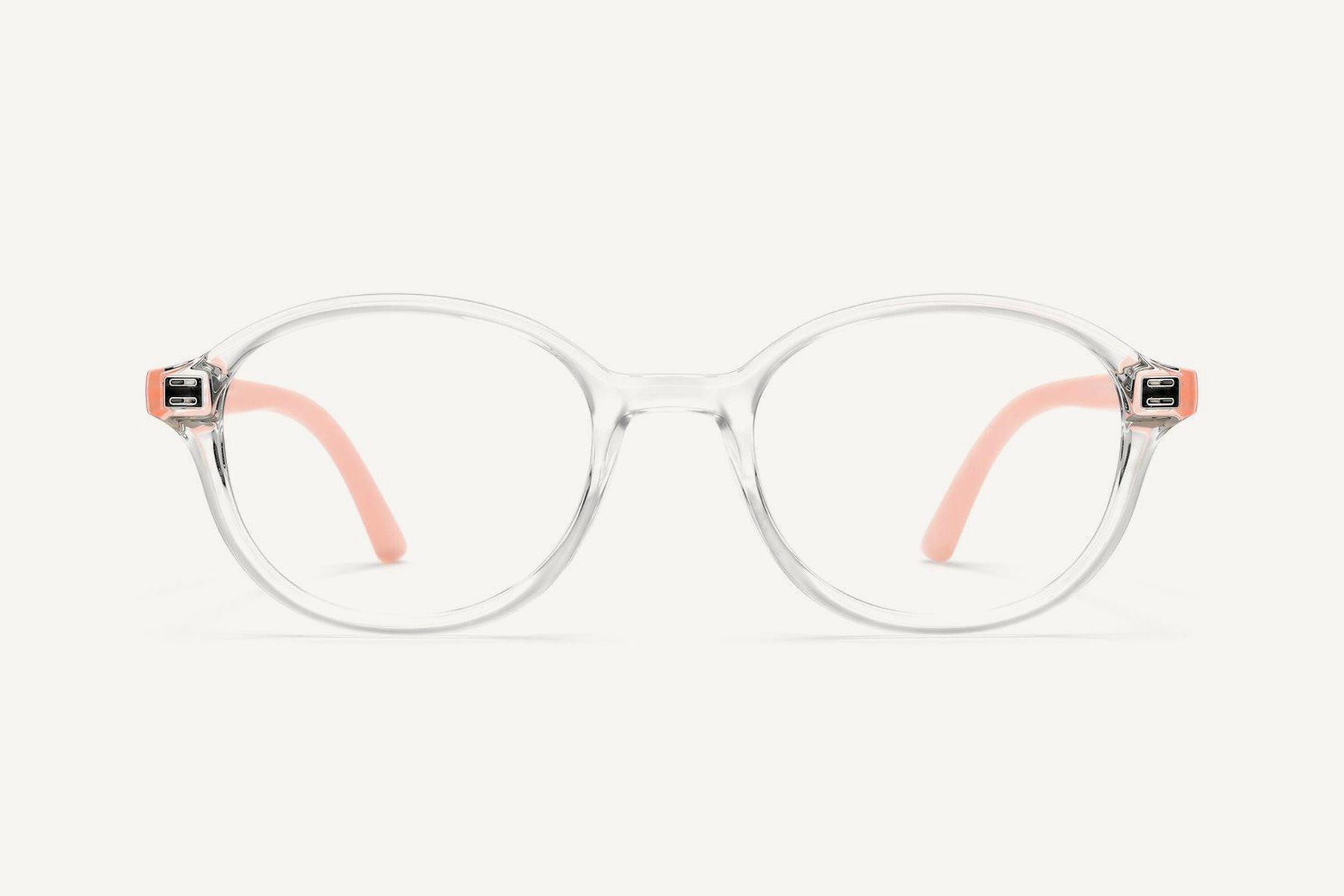
| TR-90 | Bounce | A memory thermoplastic that refuses to take a set. Bend it and it returns. That is why it is the children's line, and why bending it is not a repair technique. | Springs back |
| Acetate | Not in our range — common elsewhere | The one that genuinely needs warmth. Warm water for thirty seconds makes it pliable; cold acetate under pressure snaps, and it snaps suddenly. | Warm it first |
| Ordinary metal alloy | Not in our range — common elsewhere | Adjusts like titanium but fatigues faster. Every bend spends a little of the metal, so a frame adjusted repeatedly in one spot eventually goes there. | Adjustable, sparingly |
The practical upshot for our range: on a Bounce in TR-90, there is nothing to bend and nothing to warm. On a Nord or a Kaizen, there is — titanium takes an adjustment properly and holds it.
Four things that turn a small problem into a new pair.
Do not bend at the hinge. It is the one part engineered to move in exactly one direction. Adjust along the arm, never at the joint.
Do not warm anything that is not acetate. On TR-90, Ultem and titanium it does nothing useful, and heat is the fastest way to damage a lens coating — which turns a bent frame into a lens problem you cannot fix.
Do not take the lenses for a ride. Whatever you are bending, hold the frame either side of the point you are moving so the force never travels into the lens or the rim holding it.
Do not fix the same spot twice. Metal fatigues. If a frame needs the same bend again next week, bending it is not the answer — see below.
When it is not an adjustment problem at all
Here is the part worth more than the technique. A frame that needs constant readjusting is reporting its size, not its condition.
Glasses stay where they are put because the frame is the right width for the face and the arms meet the head at the right place. When it is too wide, the arms have to be bent inward to grip — and they work loose again, because you are asking a bend to do a job that the measurement should have done. Re-bending it weekly is not maintenance. It is a workaround for a fit that was never right.
The tells are consistent: it slides down within an hour of every adjustment, it leaves marks behind the ears, or the arms visibly splay when it sits on a table. Why glasses keep slipping covers the diagnosis, and the size check takes about a minute.
When to stop
Hand it over if the frame is cracked rather than bent, if a screw thread has stripped, if a lens has come loose in the rim, or if you have already put it right once this month. None of those get better with another go, and a frame that has been worked repeatedly at one point is the one that breaks at that point.
If it broke rather than bent, that is a different conversation and a shorter one — see the Unbreakable Vow.
Common questions
- How do I fix glasses that keep sliding down?
- Check the screw first, then the temples. But if the frame is the wrong width for the face, no amount of bending fixes it for long — a frame that has to be re-bent every week is telling you its size, not its condition.
- Can you bend TR-90 or Ultem frames back into shape?
- Not really, and you do not need to. Both are memory thermoplastics chosen precisely because they refuse to take a set — they spring back on their own. If one is sitting crooked, the cause is almost always a loose screw or a bent metal temple, not the front.
- Can I use a hairdryer or hot water on glasses?
- Only on acetate, which is the material that genuinely needs warmth to move. Warm water, not boiling, and never an oven or a heat gun. On TR-90, Ultem or titanium it achieves nothing, and heat can damage lens coatings on any frame.
- What if the arm is loose at the hinge?
- That is a screw, and it is the most common cause of a crooked pair by a wide margin. A jeweller's screwdriver and a quarter-turn fixes it. Do not try to bend a hinge — it is the one part of a frame designed not to move that way.