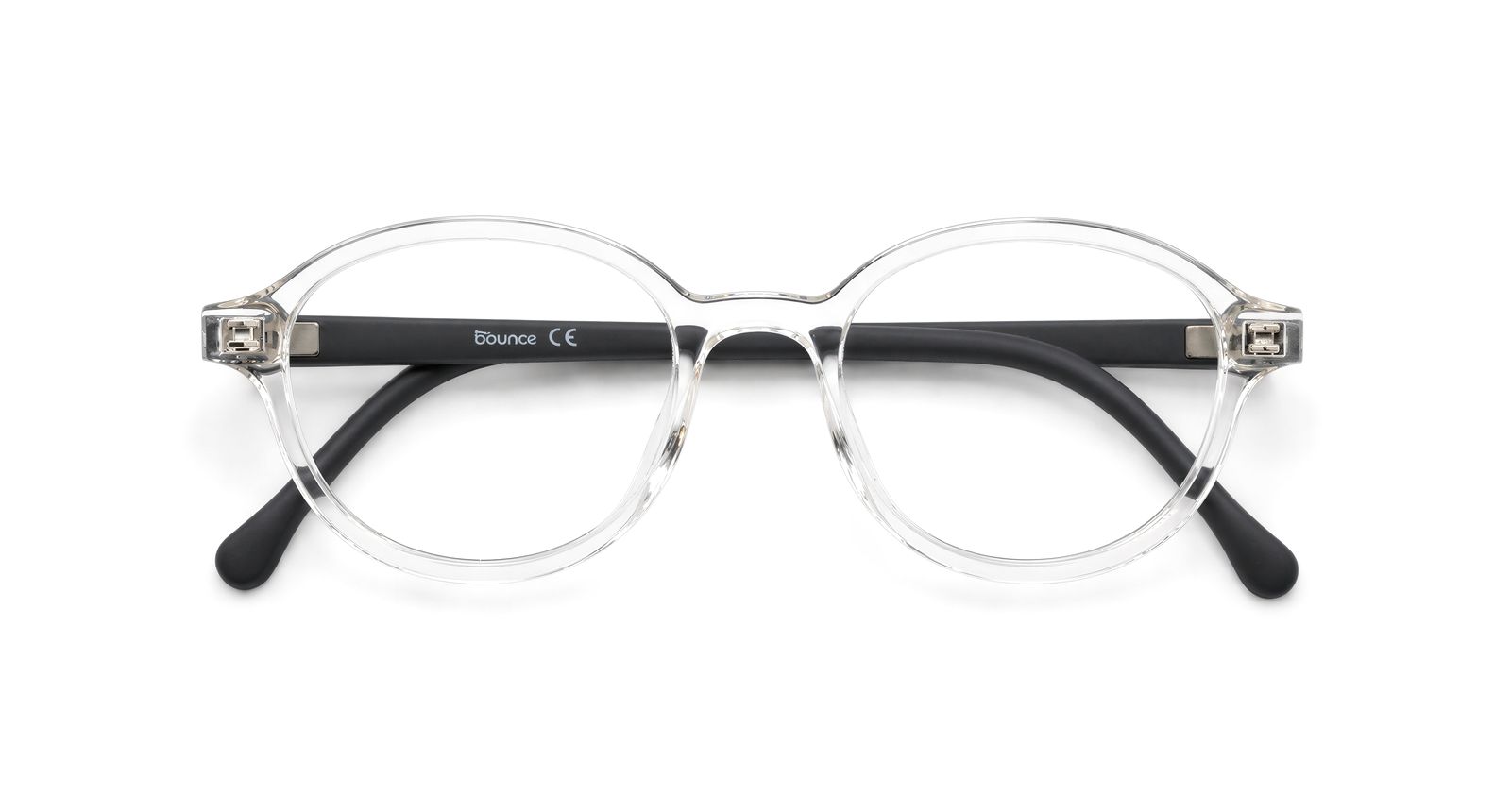
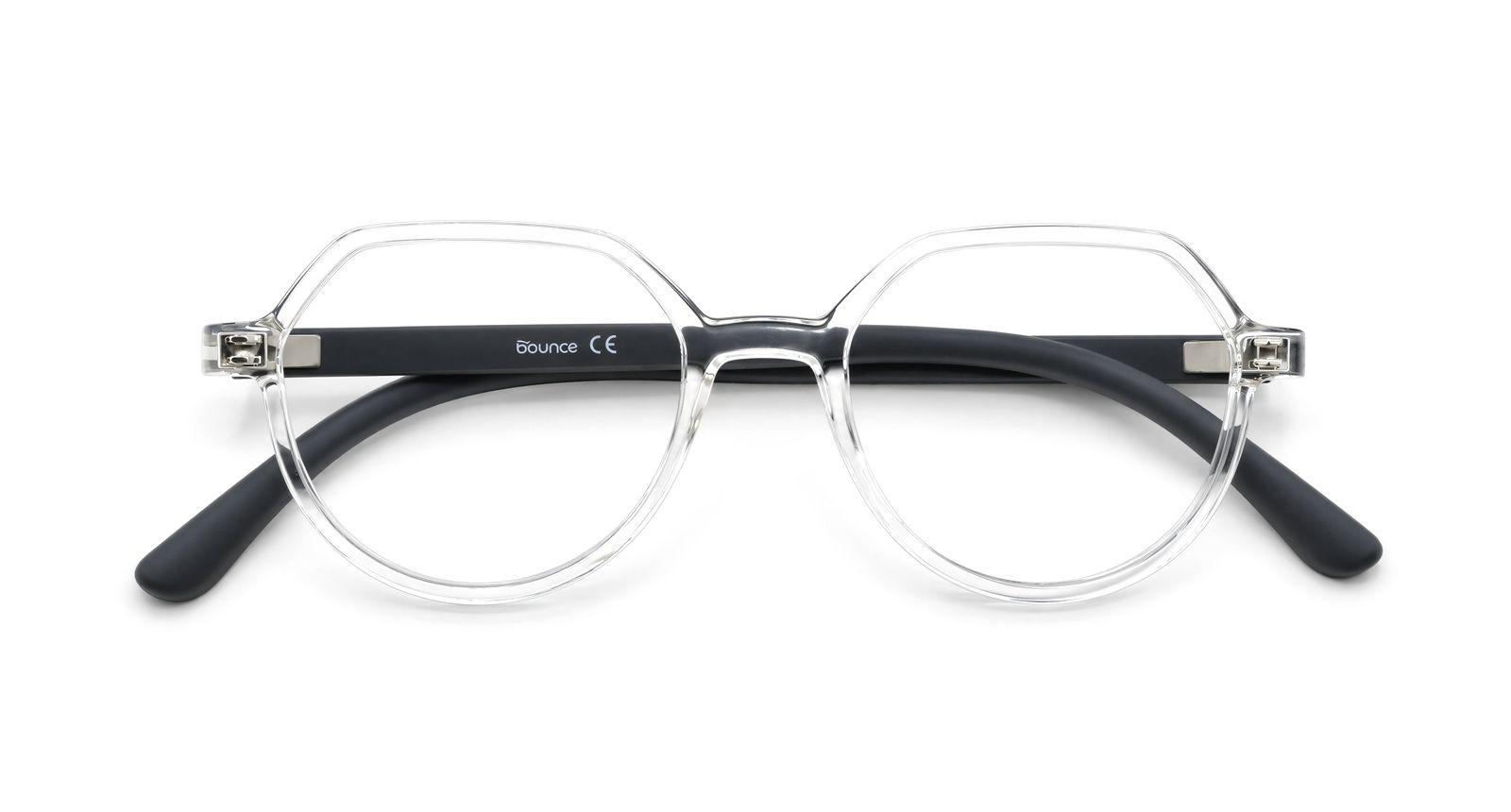
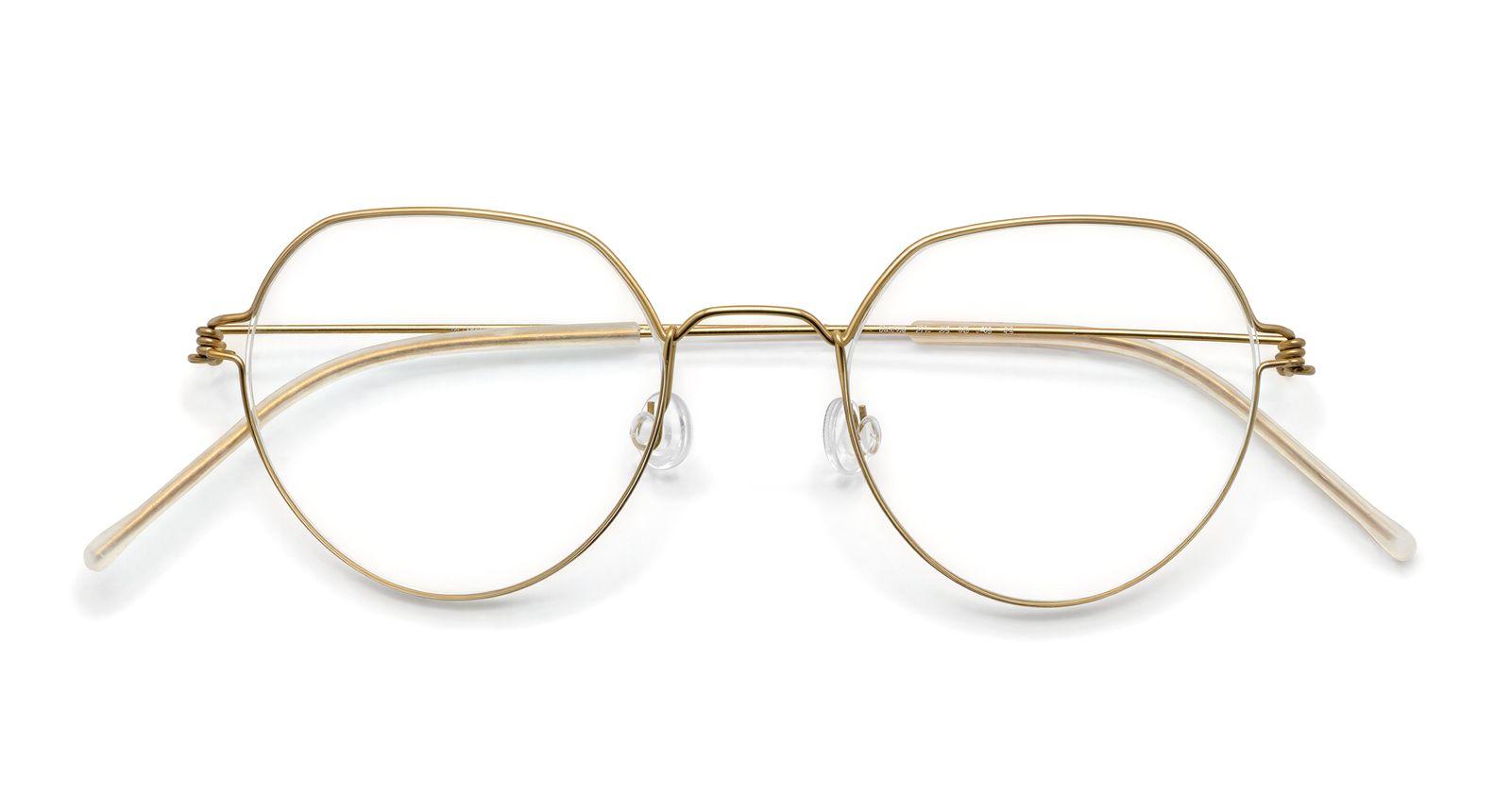
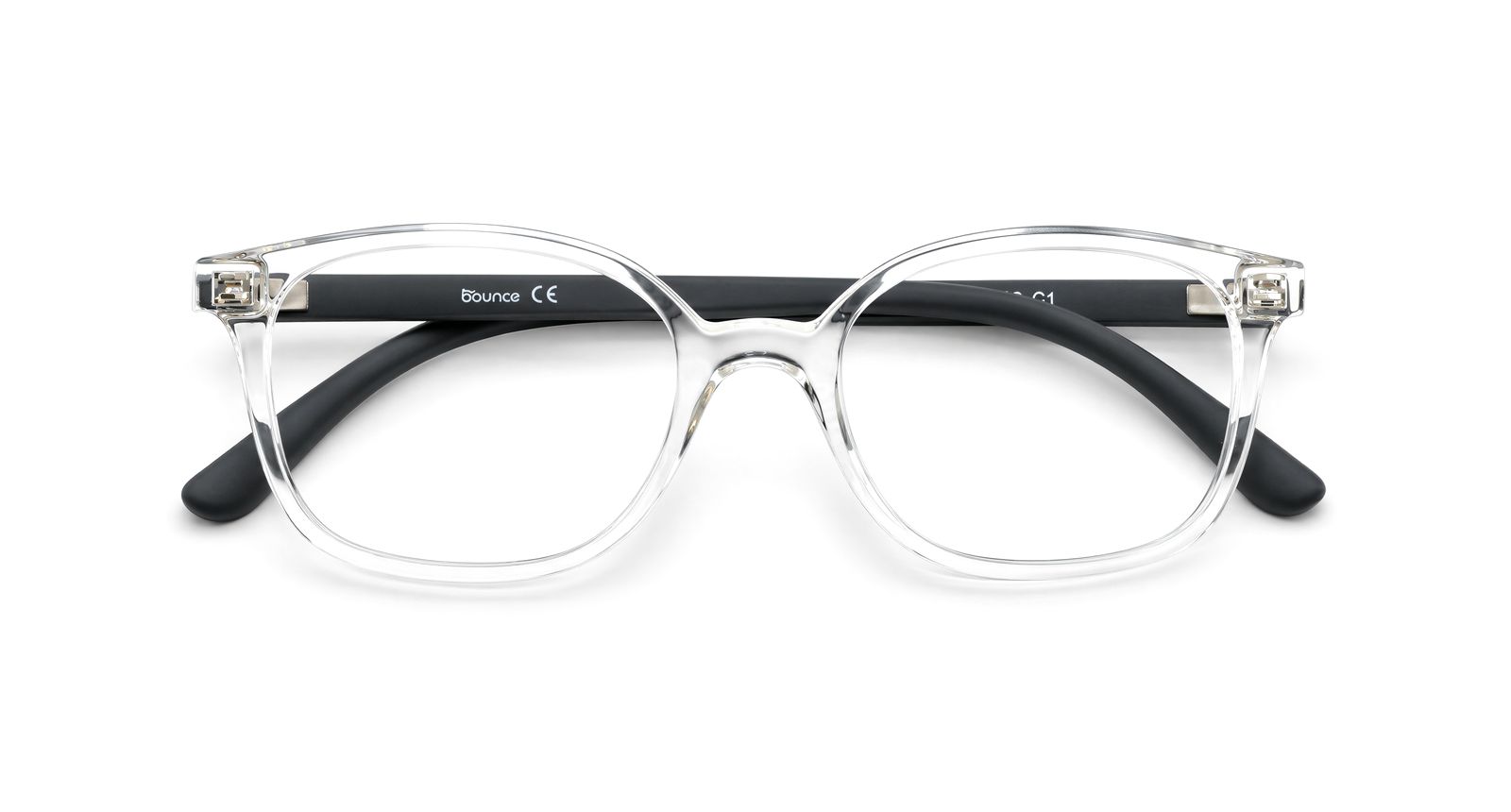
Why sunglasses are the forgiving case
On prescription glasses the optical center of each lens has to sit in front of the pupil. Get the frame too wide and those centers end up too far apart, which induces prism the eye has to work against — headaches, tired eyes, a pair that never feels right. That is why a dispenser measures a pupillary distance, and it is the real reason width matters so much on optical frames.
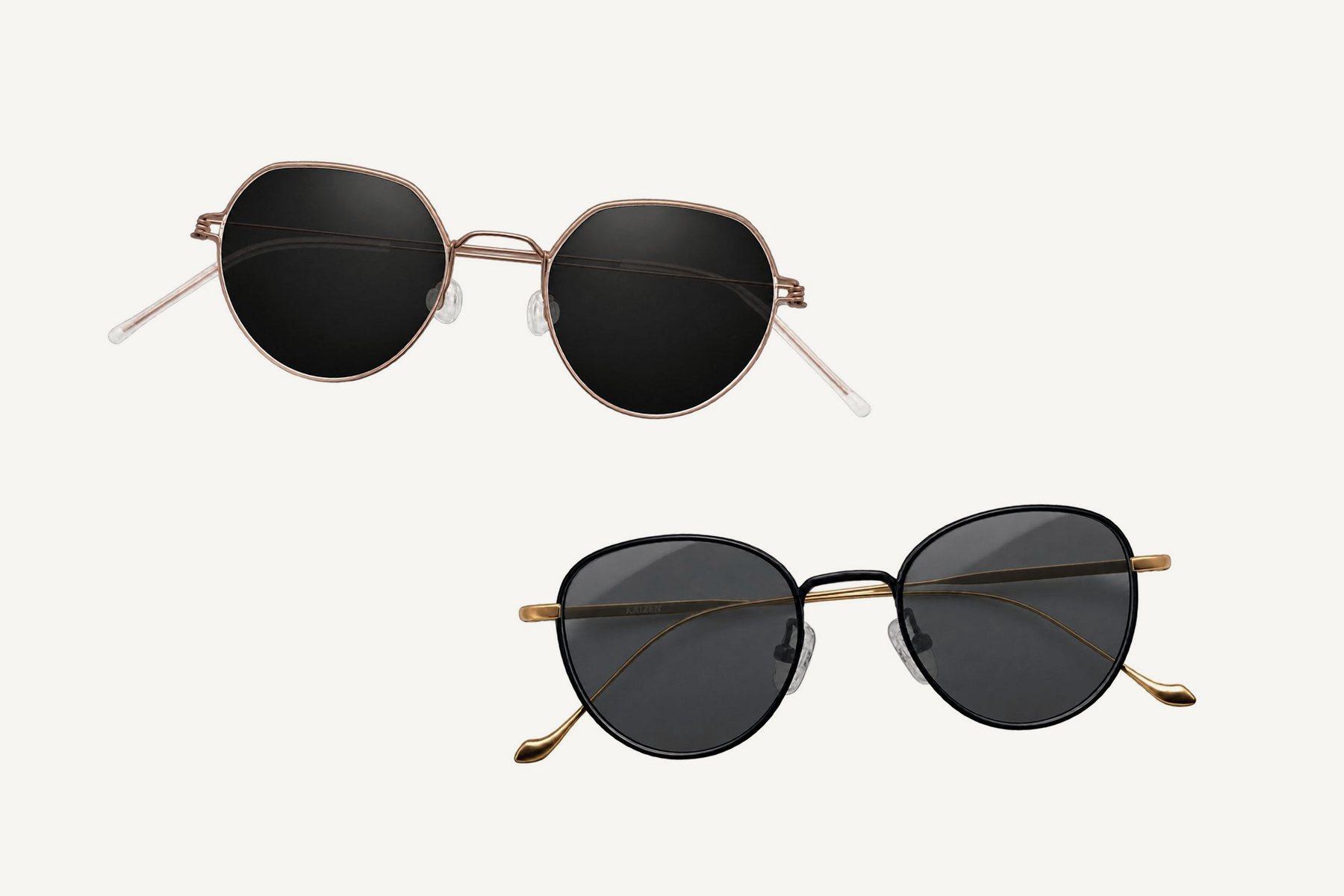
A plain tinted lens has no power in it, so it has no optical center to miss. Nothing is being aimed at the pupil. That is what makes sunglasses genuinely more forgiving than glasses — not marketing, optics.
The exception matters here more than most places, because it is most of our sun range: prescription sunglasses are exactly as demanding as clear glasses. The moment there is power in the lens the optical center is back, and so is every reason to get the width right. A child who wears glasses and needs sun is buying the strict version, not the forgiving one.
The three numbers, and what they miss
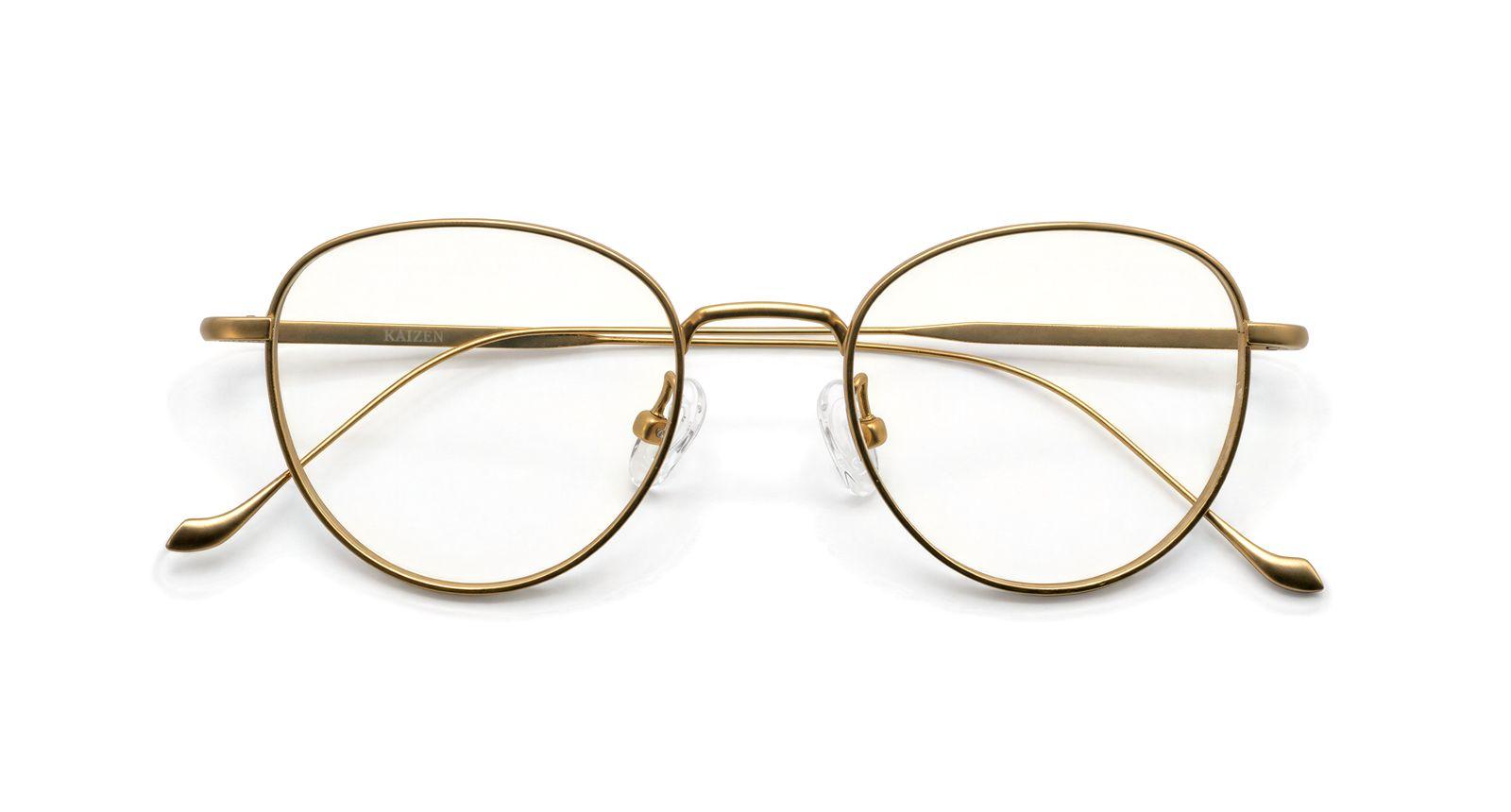
Open an arm and look inside. Something like 52□18–140: the width of one lens, the bridge between the lenses, and the length of the arm, all in millimeters. Identical convention to prescription glasses, because sunglasses are prescription frames with a tint in them.
None of the three is the width of the frame. Add two lenses and a bridge and you still have not got it, because the rims and the endpieces are not in the sum — and those vary more between frames than anything else. Two of our own frames carry the same marking and sit 8mm apart across the front.
The full version of that argument, with the frames that prove it, is in what the numbers inside the arm actually mean.
Measure a pair in about a minute
- Take a pair of sunglasses or glasses that already fit. Fold the arms and lay them face down.
- Lay a millimeter ruler across the front at its widest point — usually level with the hinges rather than across the middle of the lenses.
- Read outer edge to outer edge, including everything that sticks out. That is the front width, and it is the number to shop with.
- If the pair you measured slides down, you want something narrower than that figure rather than the same.
Too small is still too small.
The tolerance is on precision, not on size. A sun frame noticeably smaller than the face leaves gaps at the temples and light comes in around the outer edge of the lens, from the side, past the frame entirely. That is why sun frames are generally built wider and deeper than optical ones and why wraparound styles exist.
And too wide is still too wide on a child, for the reason it always is: a frame that slides down gets pushed up, taken off, and left somewhere. Forgiving about millimeters does not mean forgiving about fit — it means a 2mm error will not give you a headache, where on your optical pair it might.
Sizing a child, and sizing a narrow adult face
A child cannot tell you a frame is a millimeter wide, and will not tolerate one that is ten. The averages are a starting point: a face is roughly 109mm across the temples at three, 116mm at seven and 124mm at twelve. Children vary either side of those by more than the gap between two of our sizes, so treat them as a place to start and not a place to stop.
Ours run from 110mm to 135mm across the front, and every one is published on the frame — which is unusual enough that it is worth checking whether anywhere else you are shopping will tell you the same.
Prescription sun starts at $144 and a plain tinted pair at $75. If you wear glasses, the prescription version is the one that actually gets worn — a tinted lens with nothing in it means choosing between seeing and being shaded, and it is also the version where the width has to be right rather than close.
The same range answers a second question we get often, from adults rather than parents. Most adult sunglasses start around 135mm across the front, so a narrow face is left with pairs that sit wide and slide, and the top of a children’s range is exactly the width that fits. Sunglasses for narrow and small faces is the same measurement problem seen from the other end.
Common questions
- How are sunglasses measured?
- By the same three numbers as prescription glasses, usually printed inside one arm: lens width, bridge width and temple length, in millimeters. What none of them gives you is the total width across the front, which is the measurement that decides whether the pair fits.
- What size sunglasses do I need?
- Measure the total width across the front of a pair that already fits you — outer edge to outer edge with any millimeter ruler — and shop against that number. It is not the number stamped inside the arm.
- Should sunglasses be wider than my face?
- They should be about the same width, not wider. A frame wider than the face slides down and rests on the nose; one that is too narrow leaves gaps at the temples where light comes in around the edge of the lens.
What we would do
Measure the front of a pair that works, write the number down, and use it every time you buy sunglasses for anyone in the house. It converts a guess into arithmetic, and it is the only measurement that survives changing brands.
If you would rather not measure anything, the size check works your width out from a photograph.