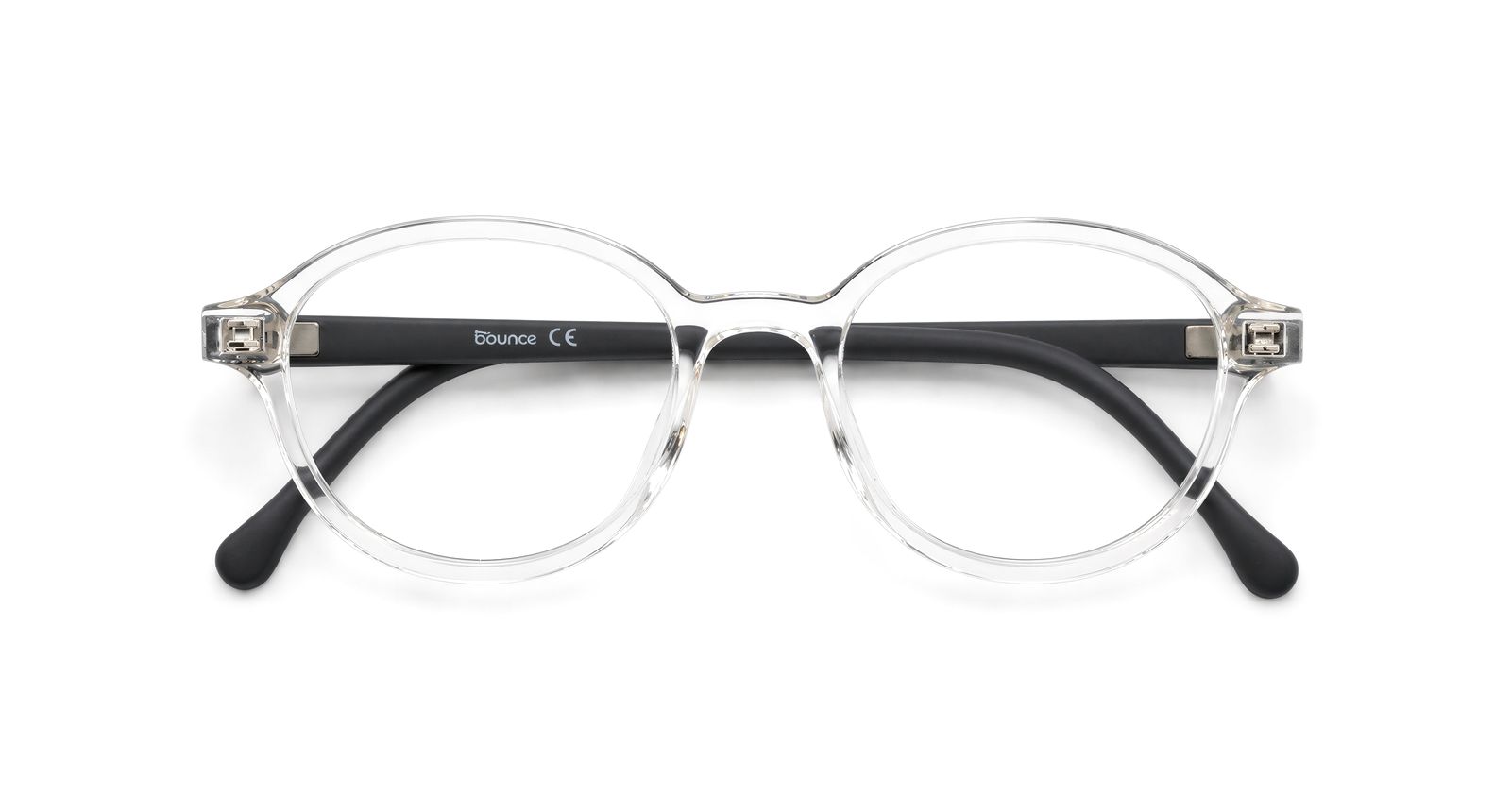
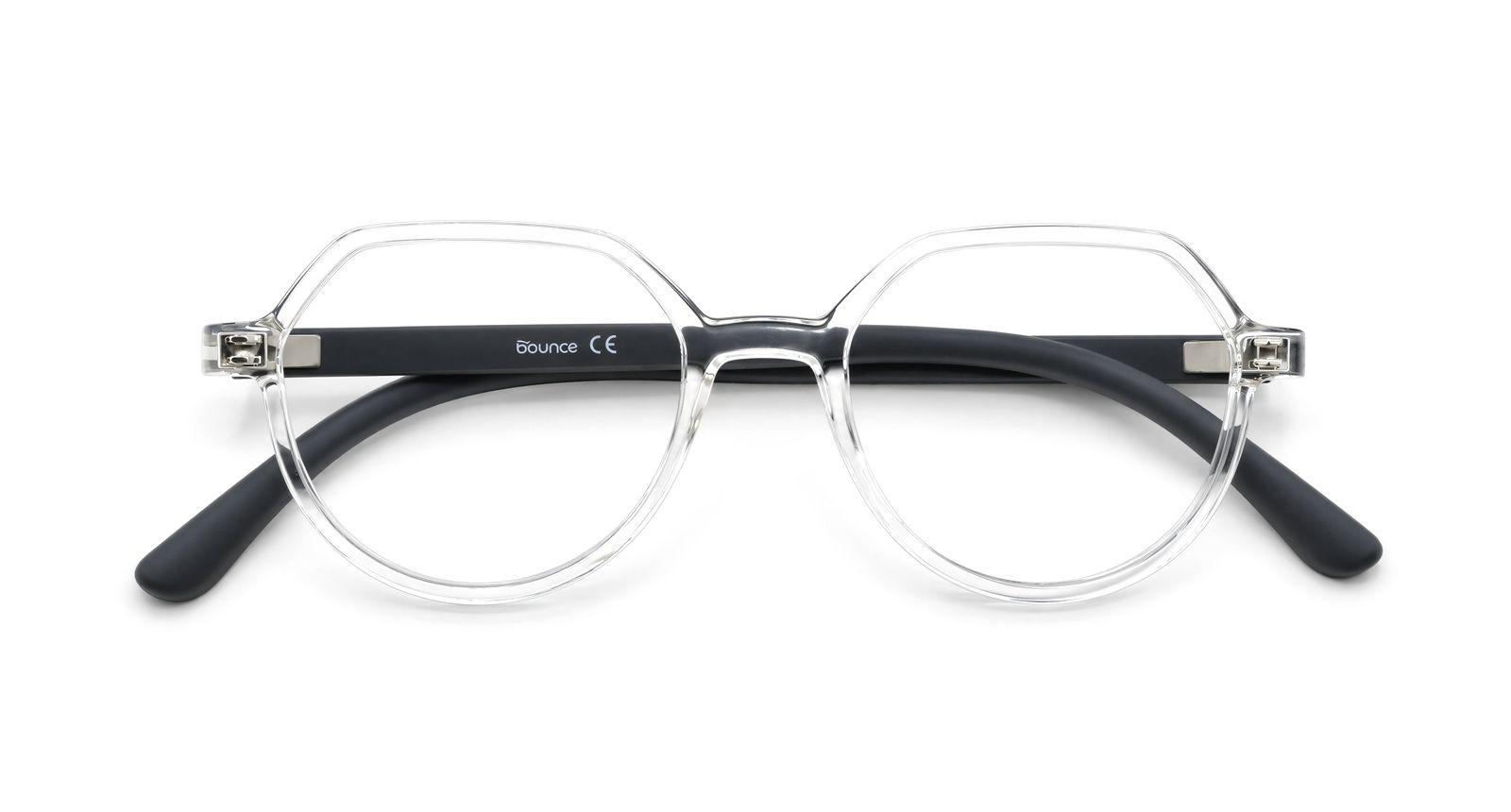
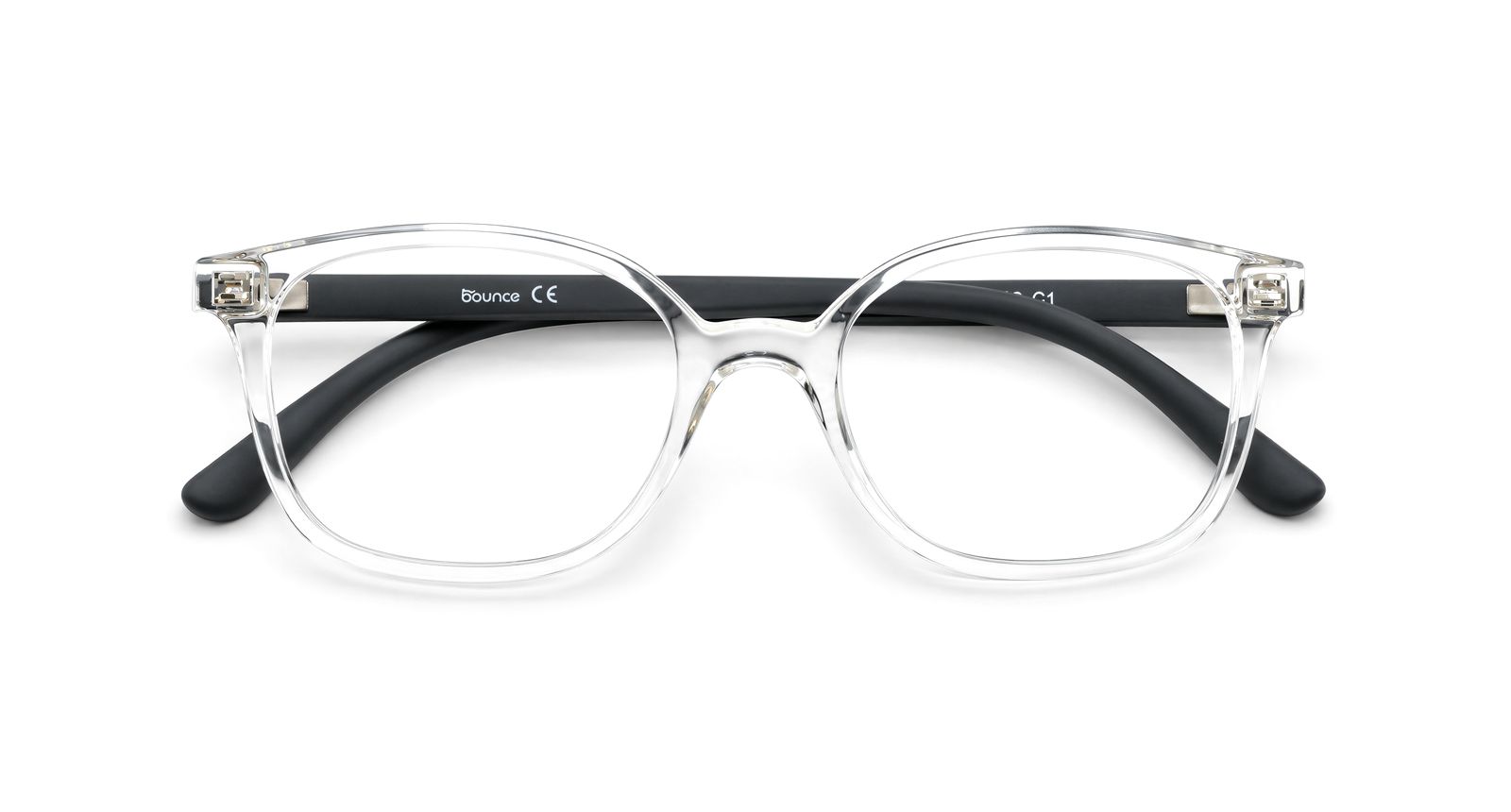
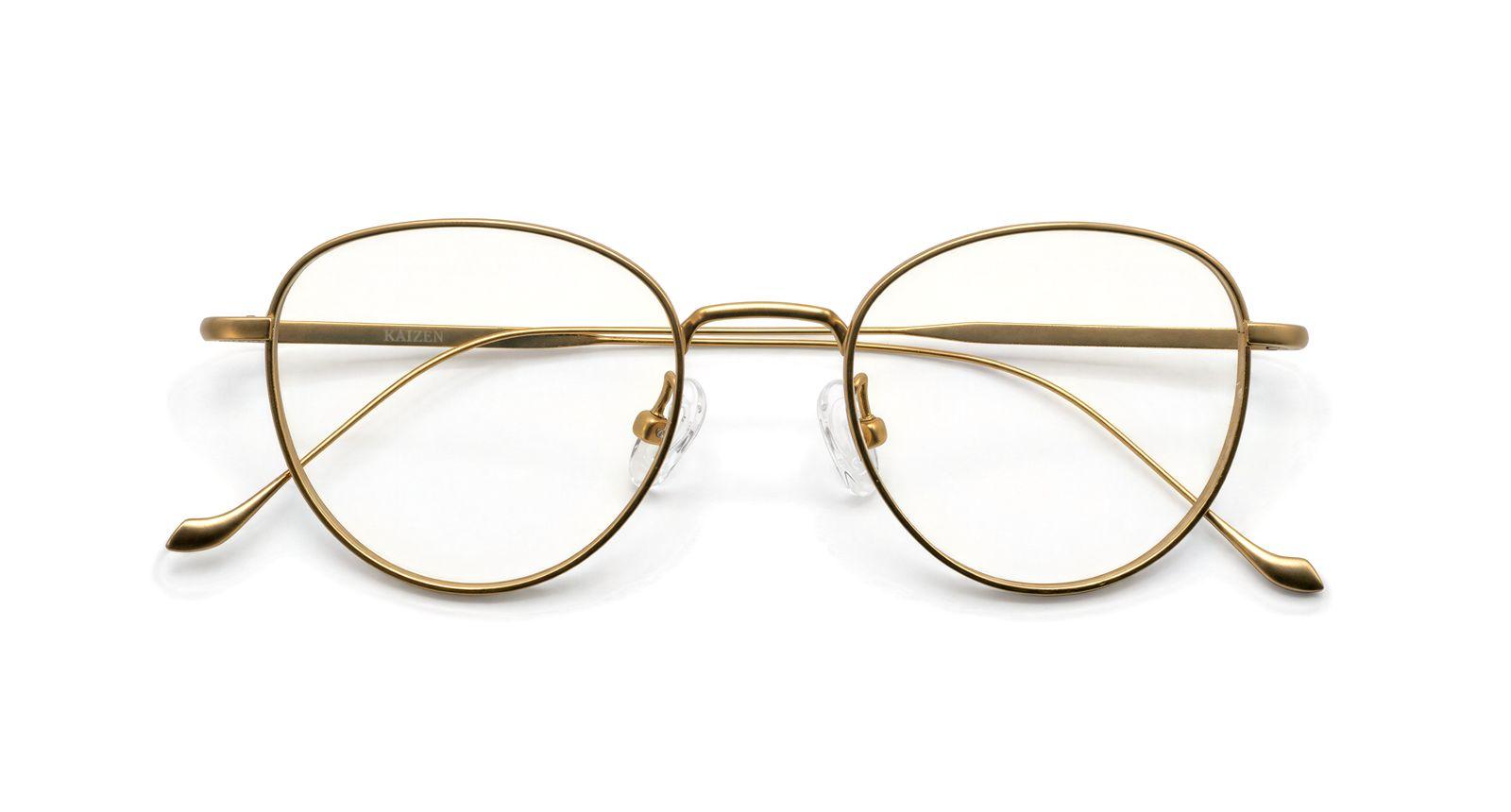
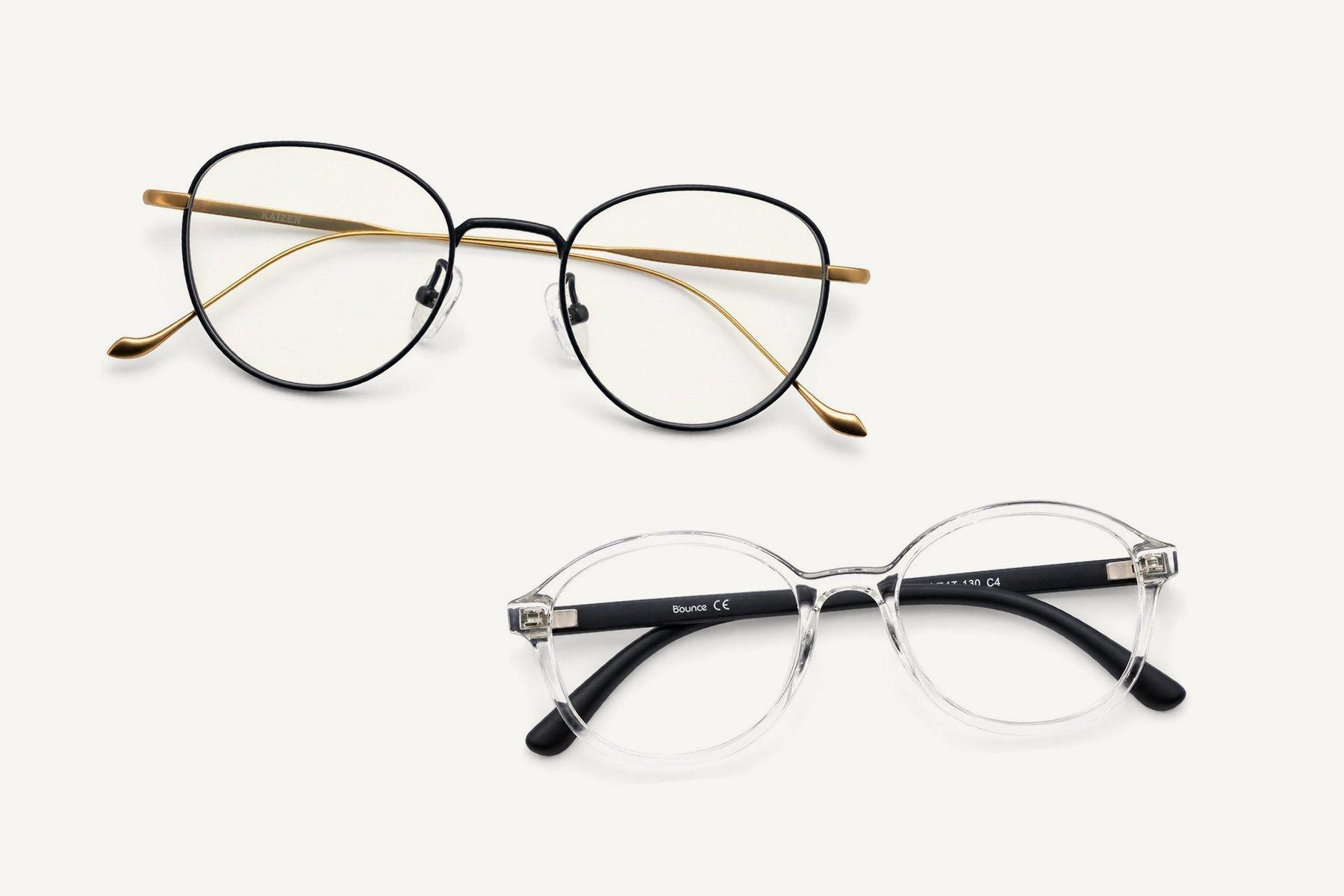
Three different things get called sports glasses
- Certified eye protectors. Wraparound, padded, strapped, and tested to a standard. Actual protective equipment.
- Ordinary glasses worn while playing. What most children do most of the time, and fine for most of it.
- Prescription sunglasses for outdoor sport. A comfort and glare product, not a protective one.
Only the first is protection. The other two are glasses that happen to be on a face during a game, and the shopping term does not distinguish between them — which is how a parent ends up believing a school frame will do.
Which sports need which
| Activity | What is needed |
|---|---|
| Playground, PE, running around | Everyday glasses are fine |
| Swimming | Neither — prescription goggles |
| Cycling, scooting, skiing | Everyday glasses, and a strap helps |
| Basketball | ASTM F803 protector |
| Baseball and softball | ASTM F803 protector |
| Racket sports — tennis, squash, badminton | ASTM F803 protector |
| Soccer | ASTM F803 protector |
| Field hockey, women's lacrosse | ASTM F803 protector |
ASTM F803 is the specification for eye protectors for selected sports, and it names that list — racket sports, basketball, baseball, soccer, field hockey and women’s lacrosse. Many organized leagues require it.
Polycarbonate lenses are not the same as a certified protector.
Polycarbonate genuinely is the impact-resistant lens material, it is in every clear prescription pair we make, and it is the right lens for a child. None of that makes a pair of glasses protective equipment.
Certification tests the whole protector, and the frame is the half people forget. An ordinary spectacle frame can be driven back into the eye socket by the same impact the lens comes through intact. That is why a certified protector wraps, pads and straps — it is engineered to stay clear of the eye under load, not merely to avoid shattering.
So “impact-resistant lenses” is a true claim about a lens and not a claim about safety in a game. We would rather draw that line ourselves than have a parent draw it wrong.
One case where the answer is always protection
If you have good vision in only one eye, the calculation changes completely: an injury to the working eye is not a recoverable event. The standing ophthalmological advice is protective eyewear for sport regardless of which sport, and often for everyday wear too.
That is a conversation for your optometrist or ophthalmologist rather than a shopping decision, and it is worth having explicitly rather than assuming it has been covered.
What our frames are actually for
Everything else — which is most of a childhood. Break time, PE, the park, running, climbing, falling over. That is what a well-fitting frame in a memory material and polycarbonate lenses handles, and what the Unbreakable Vow exists for when it does not.
The single biggest thing you can do for glasses during active play is fit. A frame the right width stays on; one too wide slides, gets pushed up, gets grabbed, and comes off at the worst moment. Why glasses slip covers the diagnosis.
Common questions
- Can I wear my normal glasses for sport?
- For PE, playground and casual games, generally yes — that is what a well-fitting frame in polycarbonate is for. For organized racket sports, basketball, baseball, soccer, field hockey or lacrosse, no. Those need a protector certified to ASTM F803, which no ordinary spectacle frame meets.
- Are polycarbonate lenses enough for sports?
- No, and this is the most common misunderstanding we hear. Polycarbonate is genuinely the impact-resistant lens material and it is in every clear prescription pair we make — but certification tests the whole protector, and an ordinary frame can be pushed into the eye socket by an impact the lens itself survives. The lens is one half of the problem.
- Do you make sports goggles?
- No. We make everyday glasses for children and we are not going to describe them as protective eyewear. If a sport needs certified protection, that is a specialist purchase and worth making properly.
- Do you sell straps for glasses?
- Not yet. A strap keeps a pair on during a casual game and does nothing about impact — it solves staying-on, not protection. If a frame needs a strap to stay put during normal wear, the width is worth checking first.