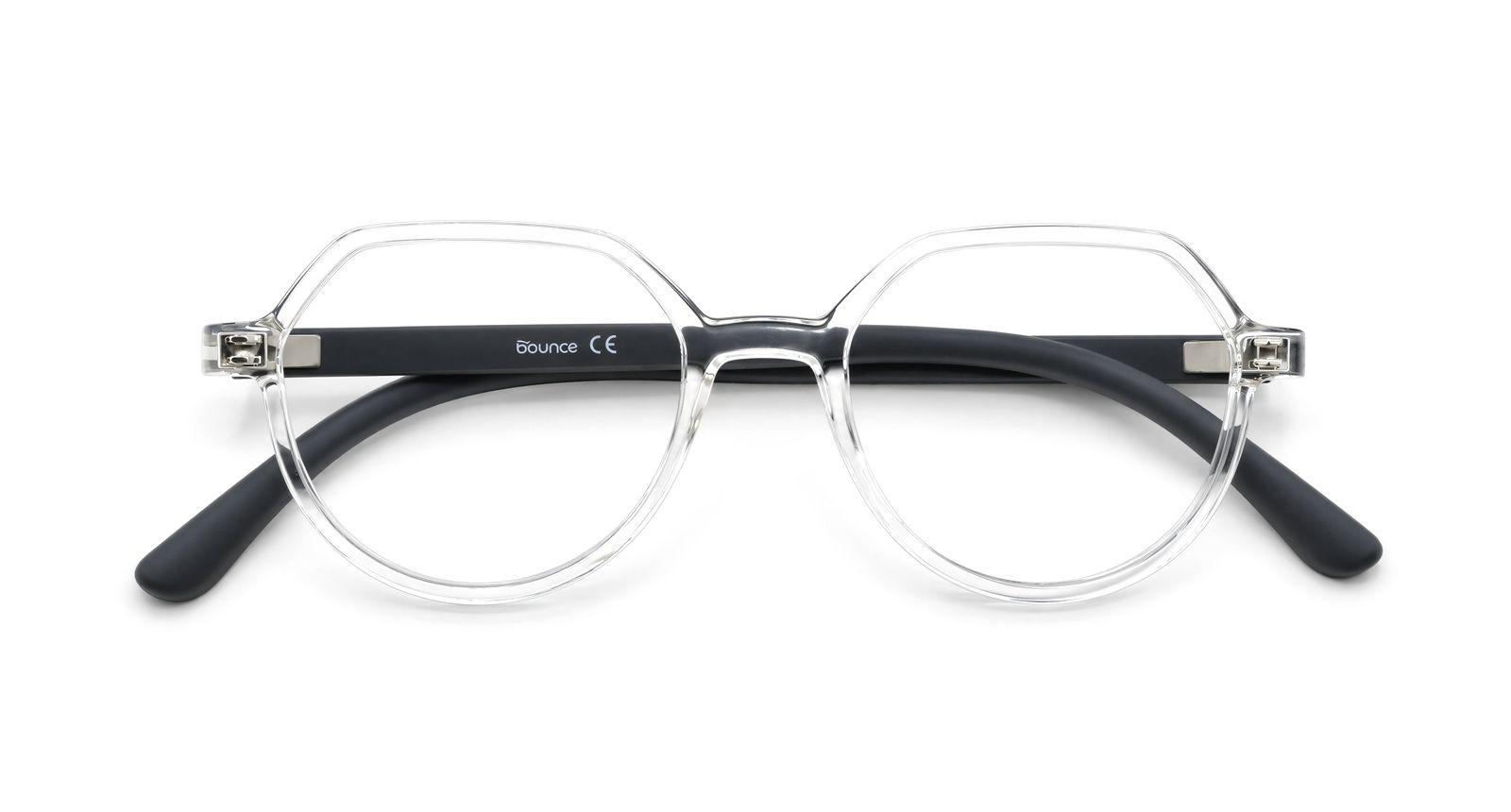
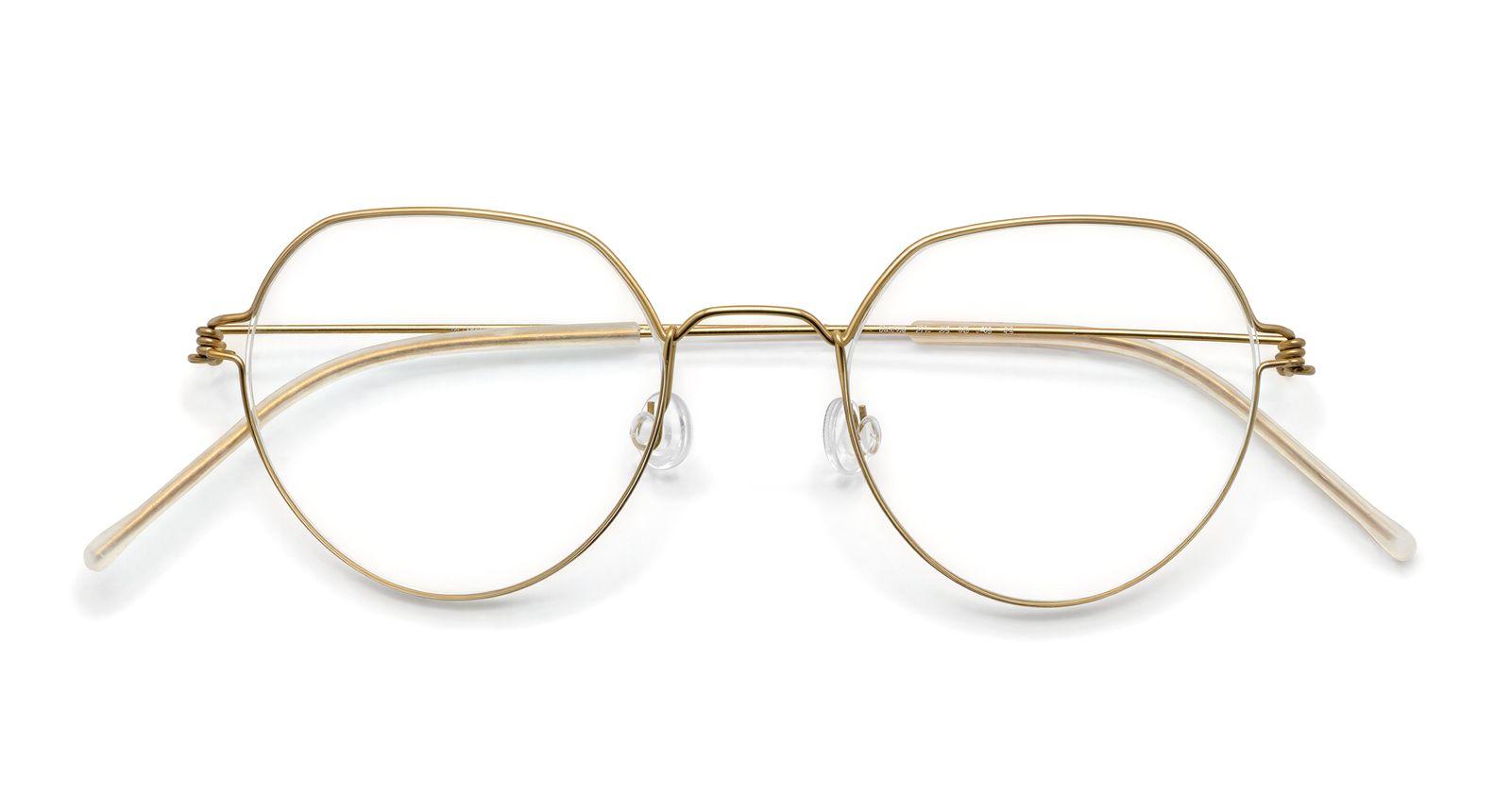
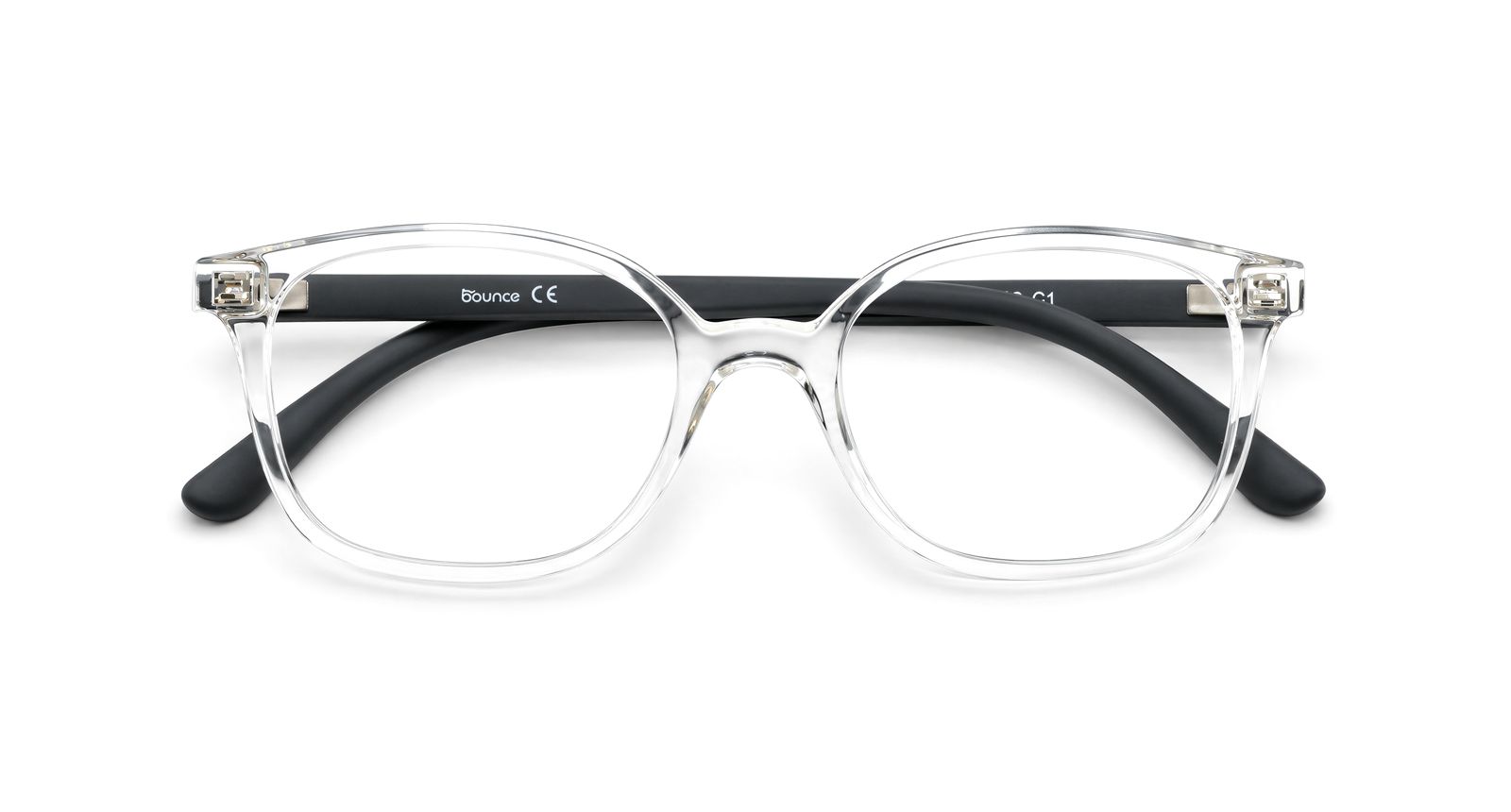
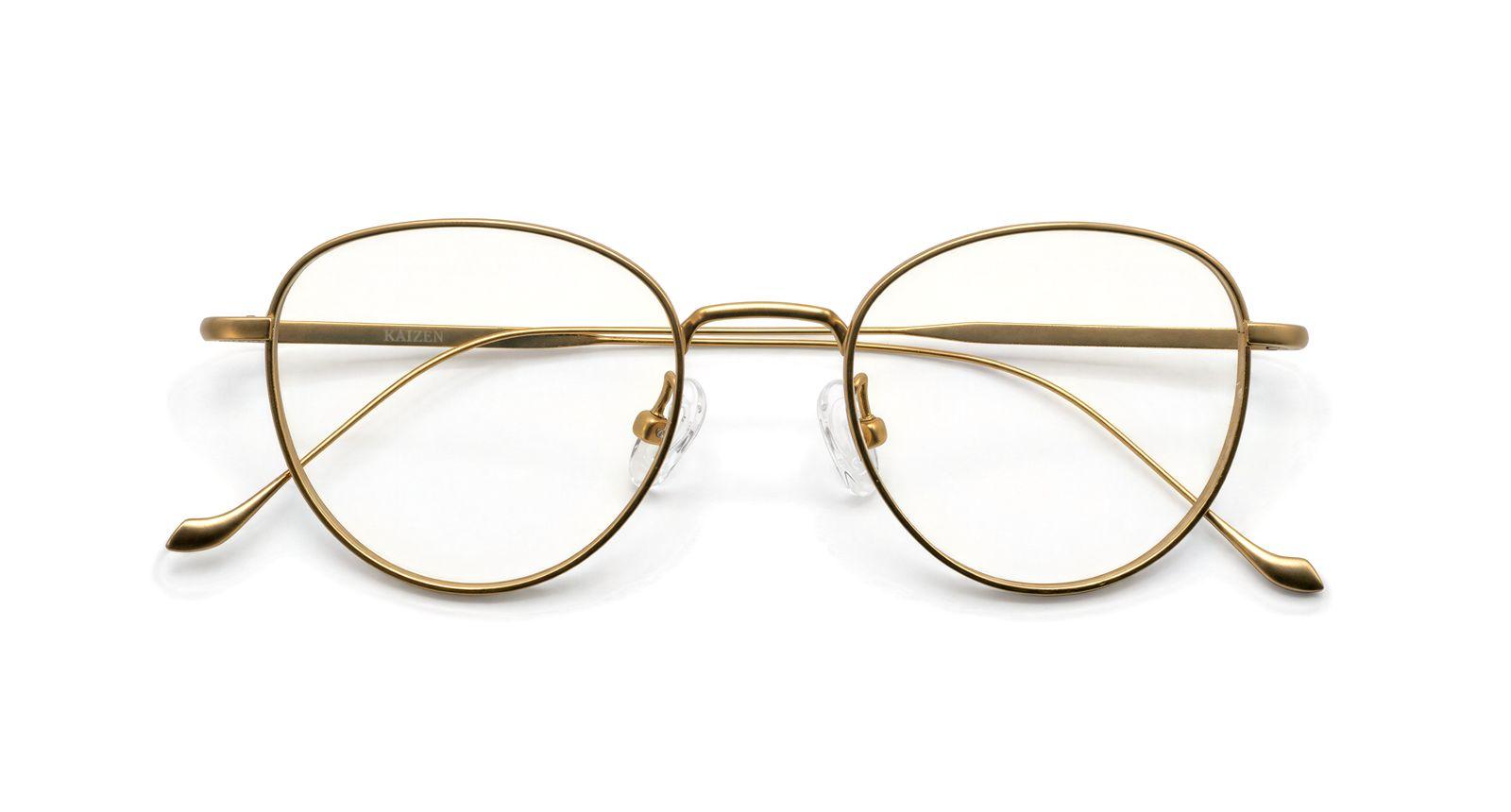
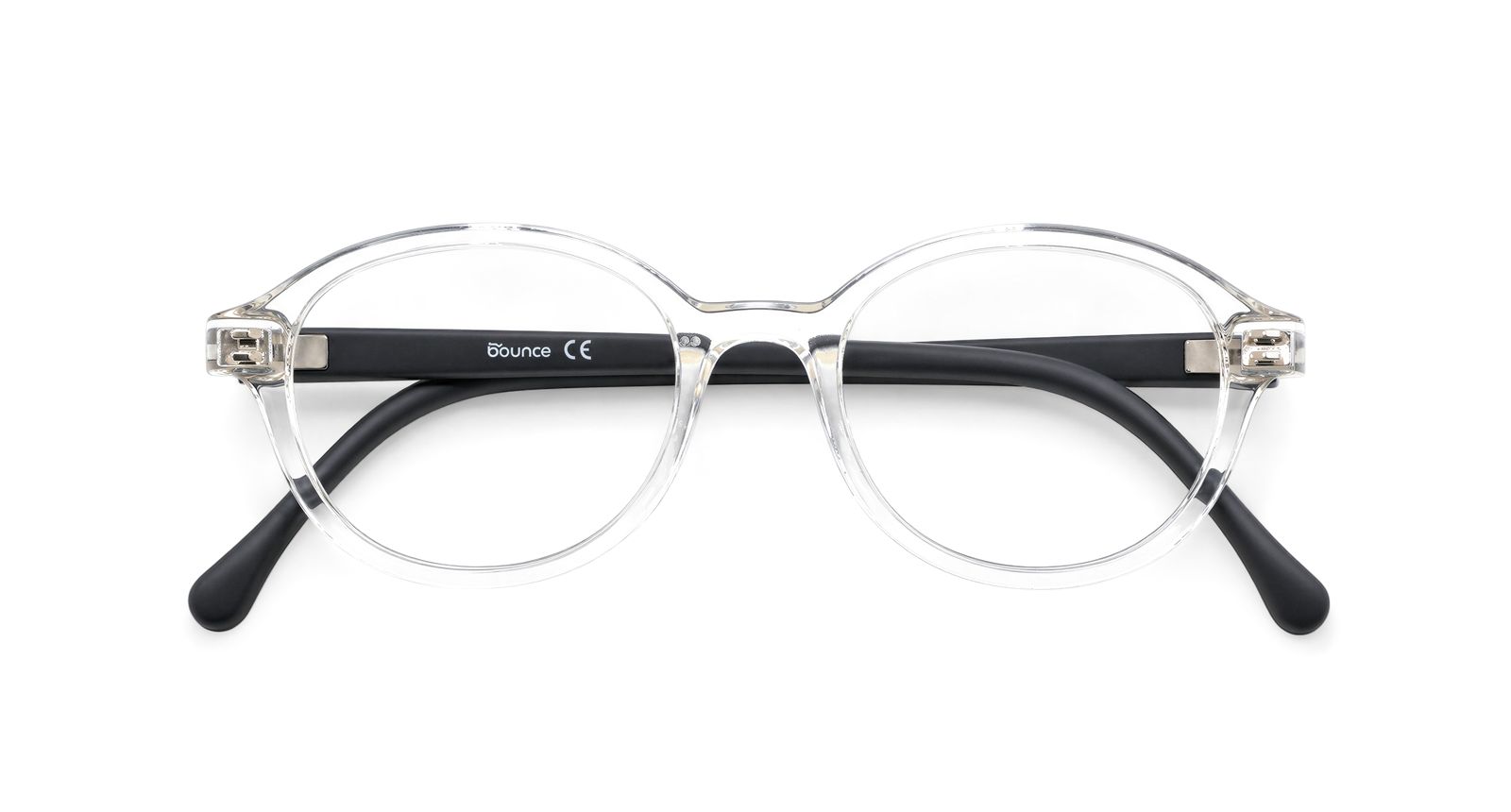
Color: Graphite
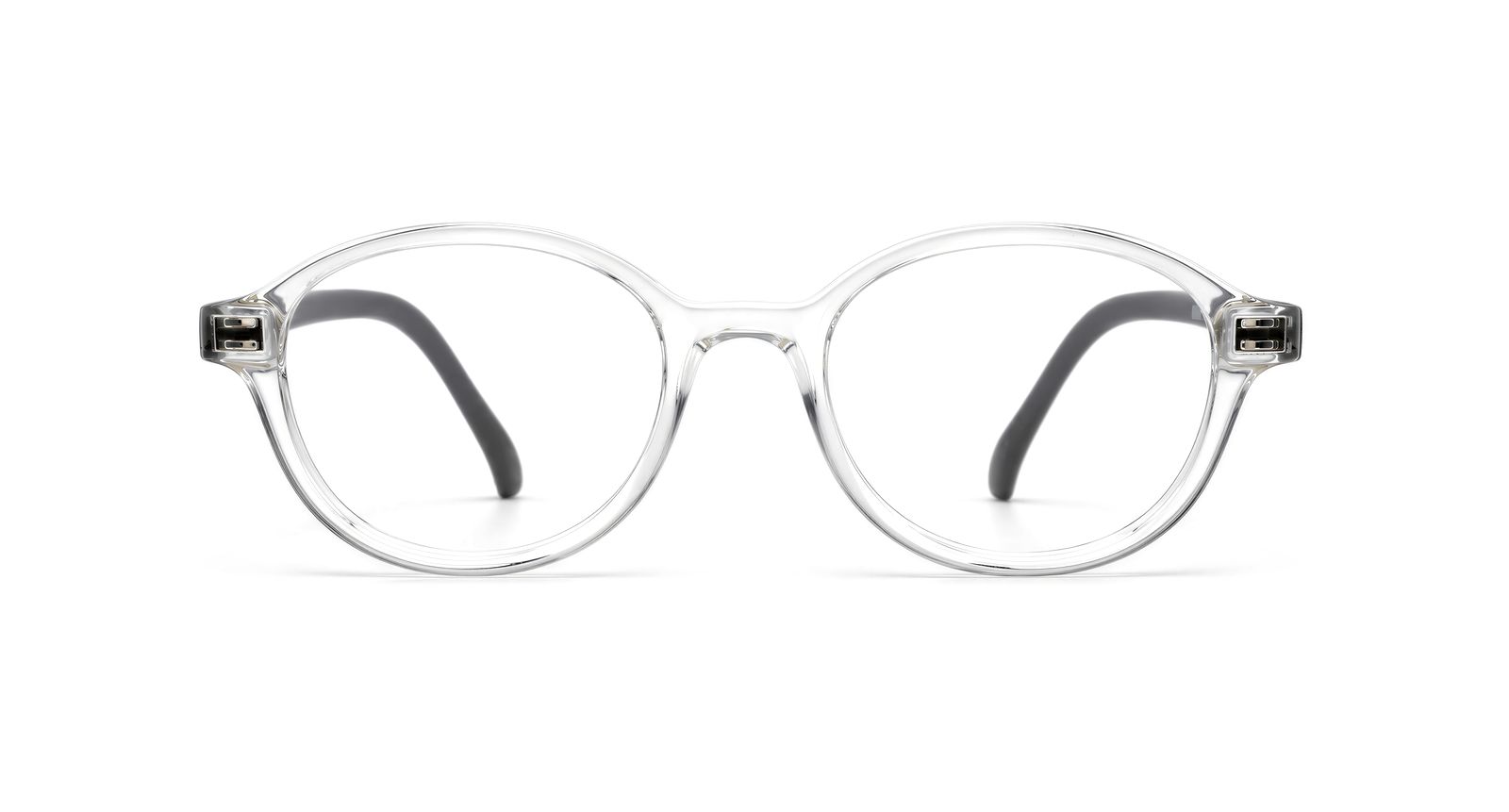
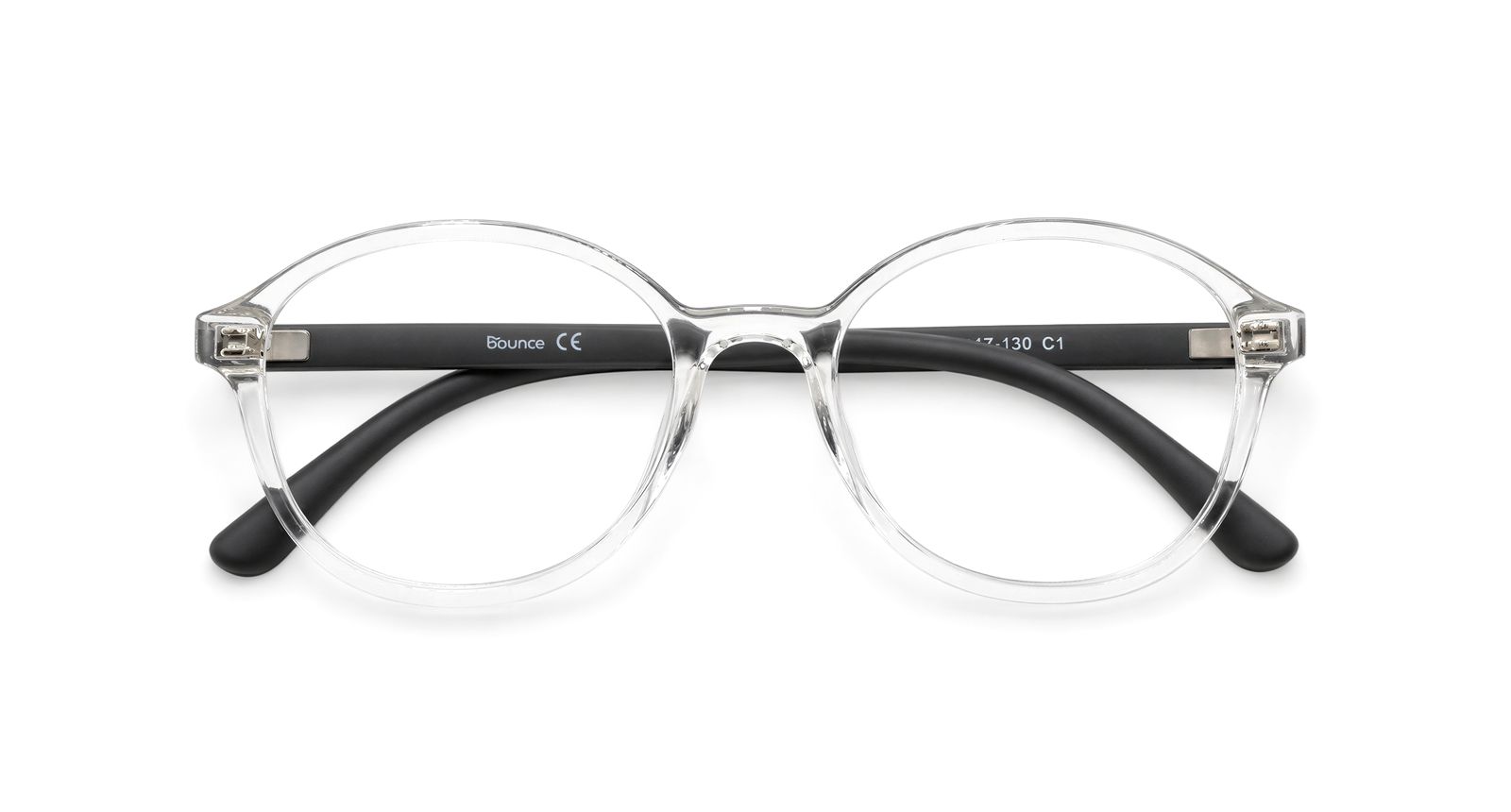
Robin Toddler Small
Bend it. It bounces back.
$95
Complete with polycarbonate prescription lenses, cut in our own lab and out the door in two days. Free shipping, and a hard case and cloth in the box.
Single vision in impact-resistant polycarbonate, UV blocking, with anti-reflective and scratch-resistant coatings, for prescriptions up to -4.00 or +4.00.
Each pair funds a cataract lens through Cure Blindness Project. How it works
Free shipping · FSA and HSA eligible · replaced free for a year if you break them
- Material
- TR-90
- Bounce
Every measurement of Robin Toddler Small.
Drawn to scale from the frame itself. It usually fits ages 2 to 4, and the size check tells you for sure.
- Front width
- 110mm
- Edge to edge at the widest point. It is the number the size check compares with your face.
- Hinge to hinge
- 100mm
- Where the arms start. Your head sits between the hinges, so if this is too narrow the arms press.
- Lens width
- 39mm
- Each lens, side to side. The first number printed inside the arm.
- Bridge
- 15mm
- The gap between the lenses, where the frame sits on the nose. The second number.
- Arm length
- 122mm
- From the hinge to the tip, so it reaches over the ear. The third number.
- Printed inside the arm
- 39–15–122
- If a pair you own fits well, compare these with the numbers inside its arm.
How we measure a frame — the method behind these numbers.
The narrowest frame we make
At 110mm across the front there is nothing below this in the range, which makes it the first pair for most children who need one before they are old enough to be asked whether it fits. It suits a face around 100mm across, which is roughly a two-year-old.
If it is still too wide, that is worth knowing rather than working around: it means the range does not go far enough down yet, not that a strap or a pad will rescue it. Tell us and we will say so rather than sell you the next size and hope.
Nothing else we make is 110mm
Robin Toddler Small is the only frame we make at 110mm, stamped 39–15–122. Half our range shares a width with another design and has to be chosen between on the marking; this one does not, so if 110mm is your number the rest is color.
Robin, every size side by side.
Shown to one scale, so the difference you see is the difference on your face. Same design in each; only the measurements change.
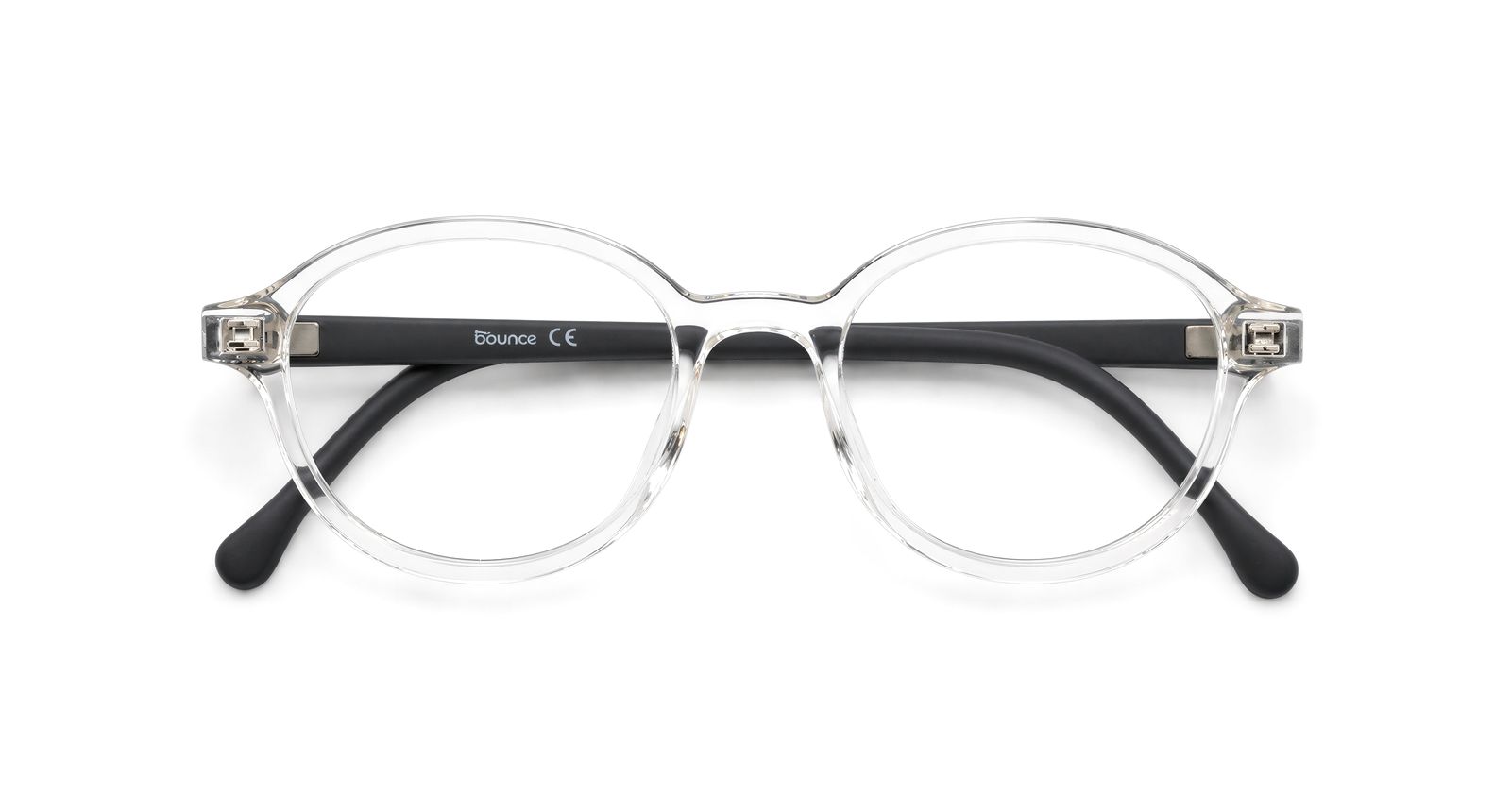
- This one110mmToddler Small · ages 2 to 4
- Hinge to hinge
- 100mm
- Lens · bridge · arm
- 39–15–122
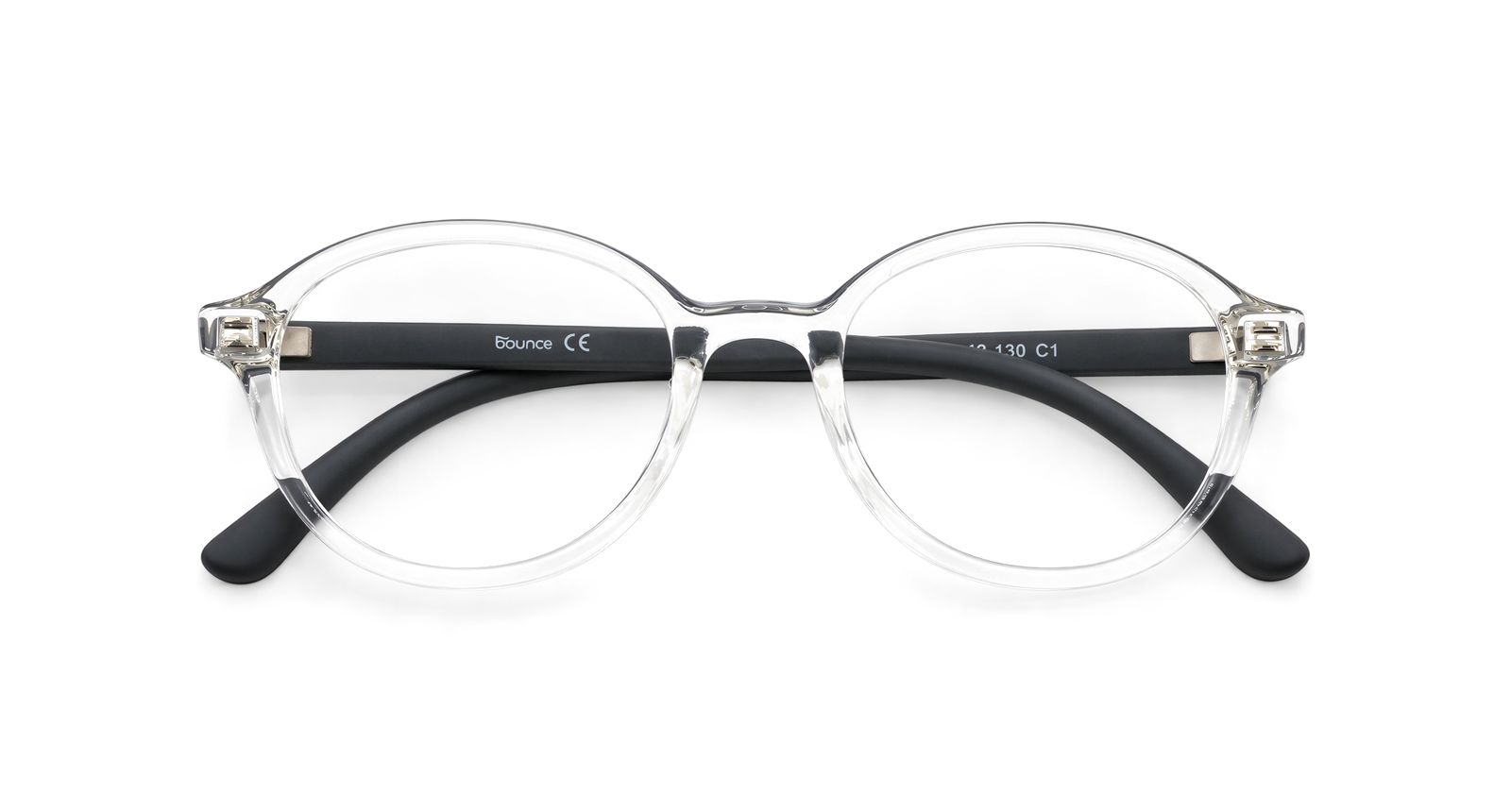
 Toddler Large114mm4mm wider · ages 2 to 4
- Hinge to hinge
- 104mm
- Lens · bridge · arm
- 40–16–122
The four things worth knowing before a first pair.
- How to fit children's glasses: the complete guide.One measurement decides whether a pair gets worn or ends up in a drawer, and it is not on the label. Measuring a child's face and PD, the four checks, the age table, and what does not matter at all.11 minute read
- The numbers inside the arm are real. They will not tell you if the glasses fit.43□16-130 is a lens width, a bridge and an arm length — all true, none of them the size of the frame. What each number means, and the two of ours that share a marking and sit 8mm apart.8 minute read
- Children's glasses break in the same three places.The hinge, the bridge, and the joint where the arm meets the front. Why a frame fails at those three points, why a spring hinge makes it worse, and the five habits that actually stop it.6 minute read
- Most scratches on a child's lenses come from cleaning them.Not from dropping them — from being wiped on a shirt with grit still on the lens. The thirty-second method, what strips an anti-reflective coating, and why the cloth needs washing too.5 minute read
- Your glasses are not slipping. They are too big.The internet will sell you wax, silicone pads and ear hooks. All three are workarounds for a frame that is too wide, and none of them fix it.4 minute read
Make sure it is the right one.
A minute with the size check beats two weeks of pushing it up your nose.